
Last updated November 24, 2026
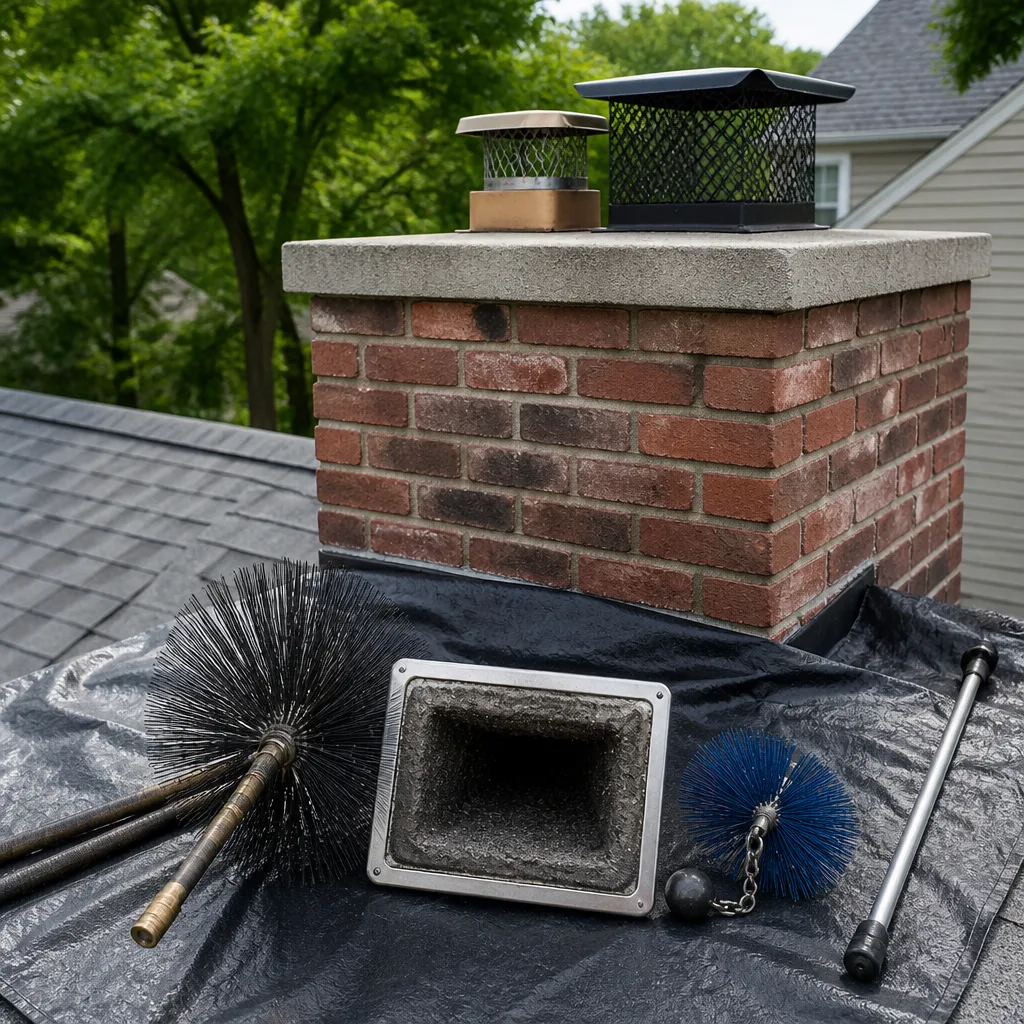 Sweep & inspection
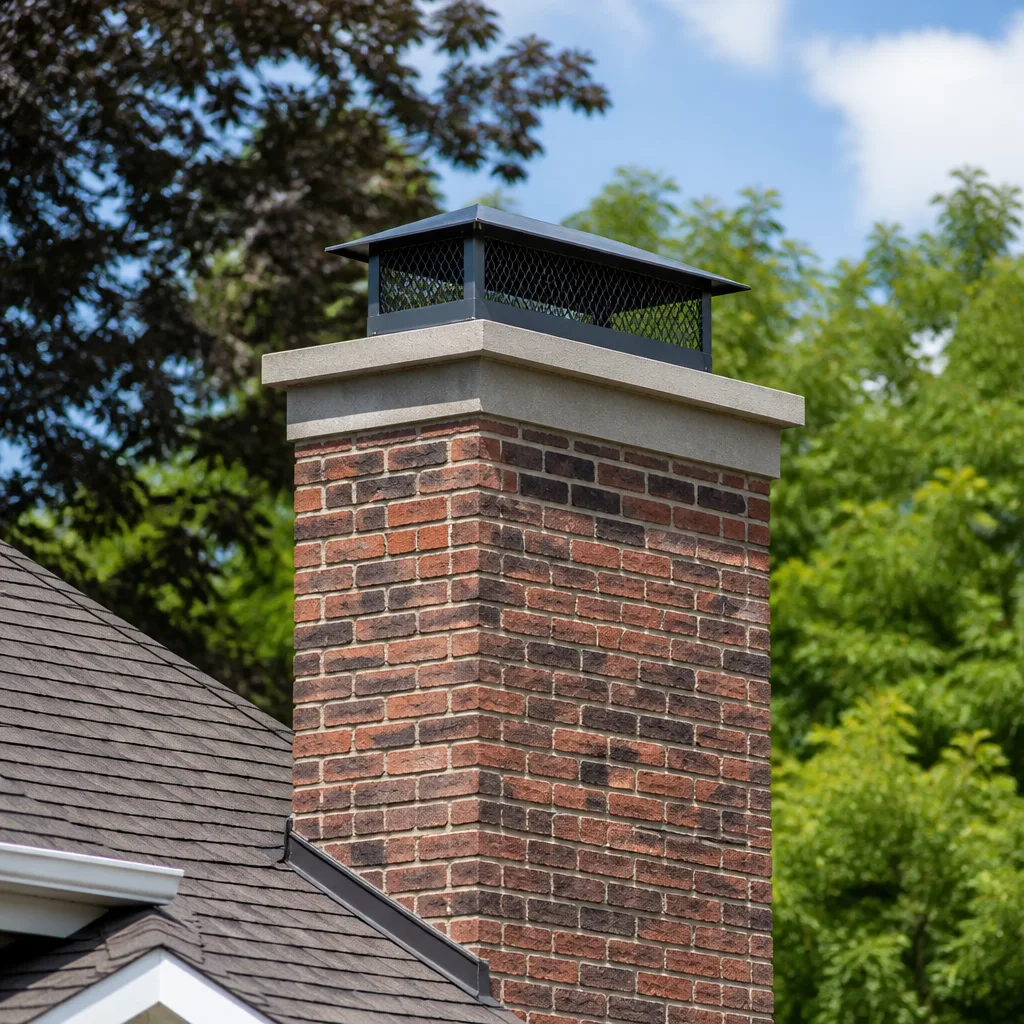 Caps & crowns
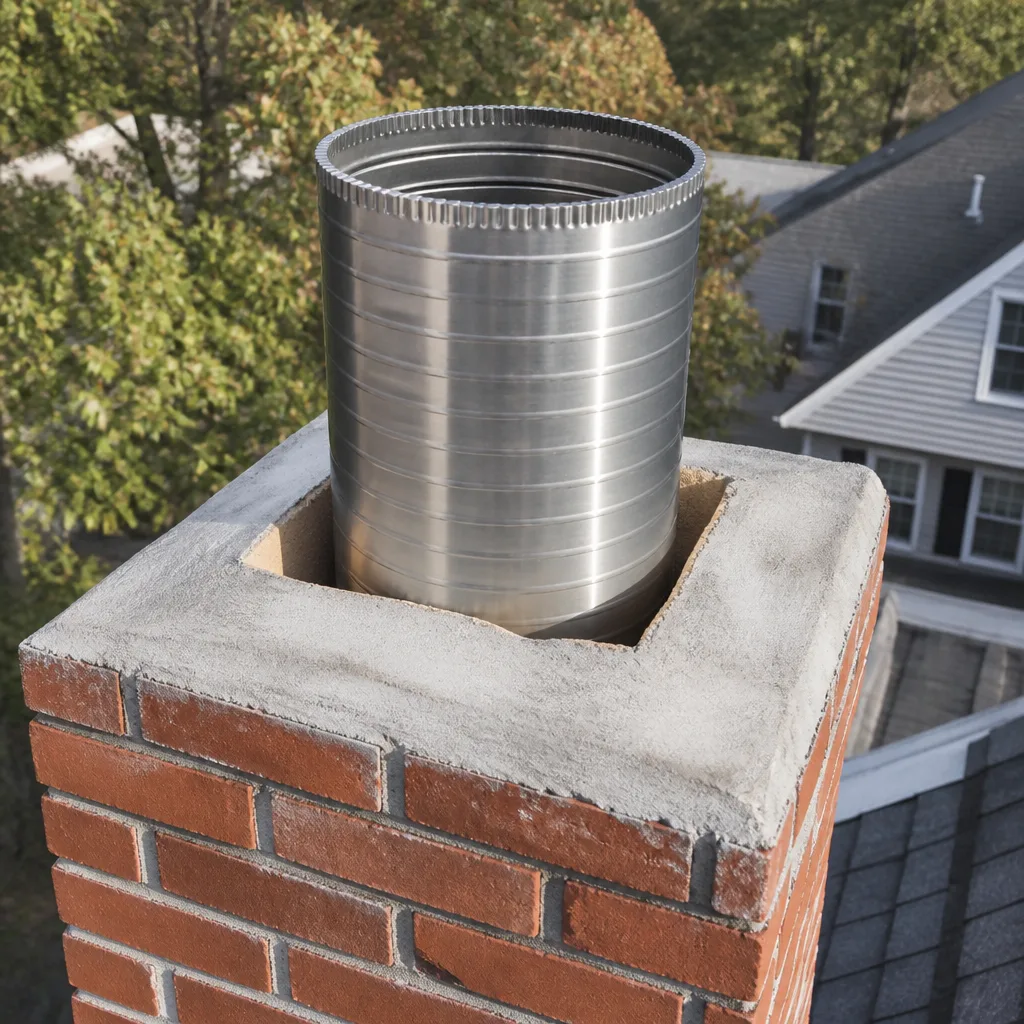 Flue relining
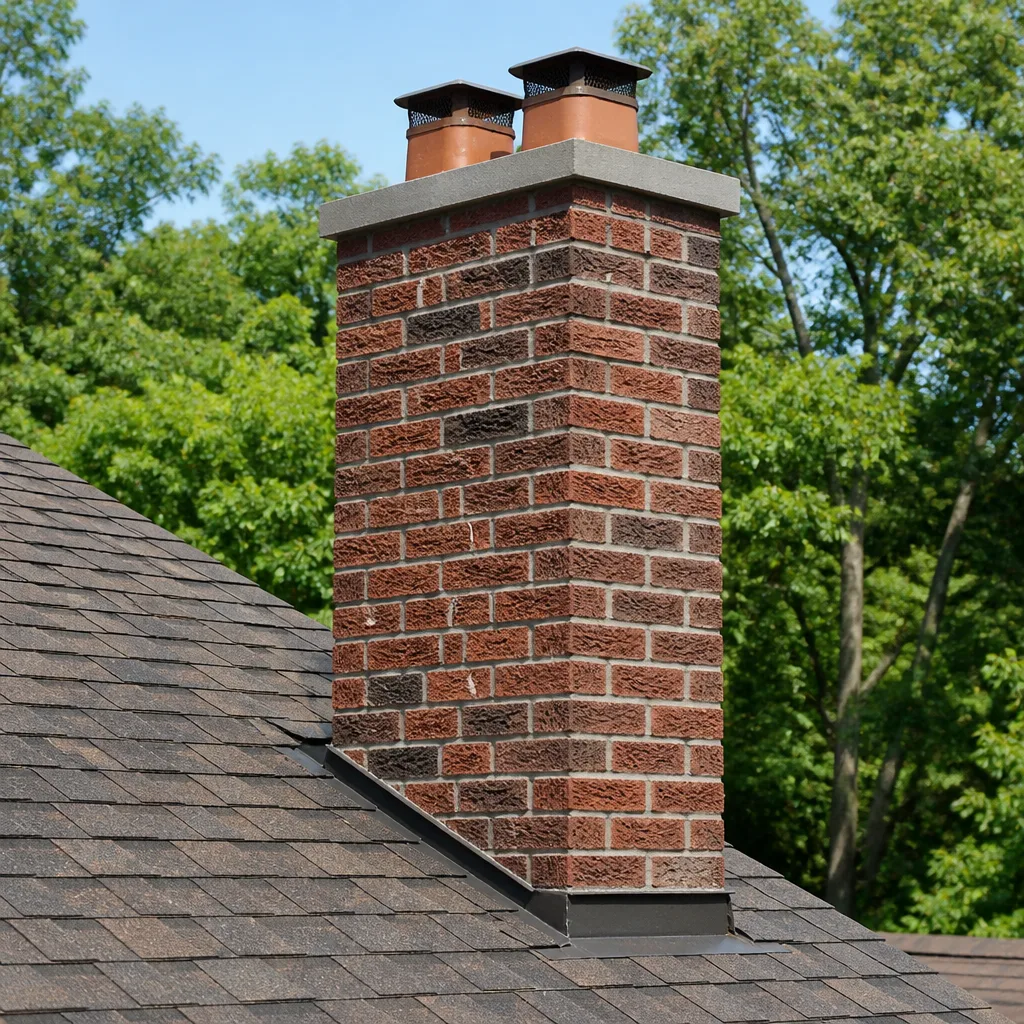 Masonry repair
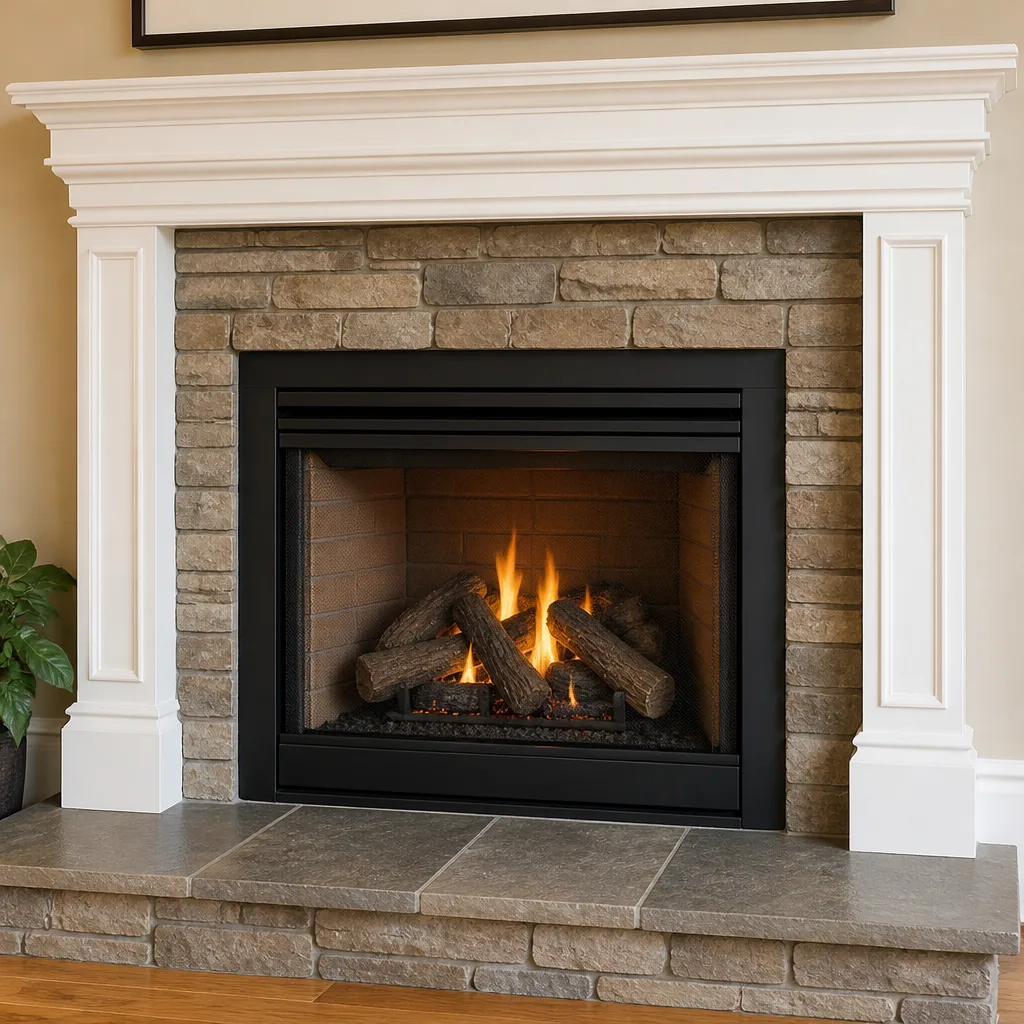 Gas fireplace service
Level 1 sweep and inspection to the NFPA 211 annual standard - flue, crown, cap, and flashing checked and photographed
Chimney sweep logs do not sweep chimneys. They loosen some creosote - which then falls where a brush and vacuum still have to collect it.
Chimney Cleaning Emergency Preparedness Guide for Federal Way Homes
A chimney fire announces itself. It roars like a freight train running through the roof, and every homeowner who has heard one describes the same sound. A carbon monoxide event from a blocked flue makes no sound at all. It has no flame visible from the driveway and no smell you can trust, which is exactly why it catches families unprepared. Most emergency guides treat every chimney problem as one category and hand you a single instruction: get out and call for help. That advice is right for a chimney fire and wrong for a CO alarm, and it is close to useless after a windstorm knocks a cap loose on a Federal Way roof. This guide separates the three events, gives you a response for each, and covers what to document before anything happens.
Quick Answer
Chimney emergencies fall into three types – chimney fire, carbon monoxide event, and storm damage – and each needs a different first move. A chimney fire means evacuate, call 911, and never run water into a hot firebox. A CO alarm means evacuate and ventilate, then treat the flue as unsafe until it is inspected. Storm damage means stop using the fireplace and get the cap, crown or chase cover looked at before the next burn. A dirty flue turns a manageable problem into all three, and a sweep before burning season is the cheapest emergency prevention there is.
Styles & brands we work with
- Sweep & inspection
- Caps & crowns
- Flue relining
- Masonry repair
- Gas fireplace service
Table of Contents
- What to do in the first 60 seconds of a chimney fire
- How a carbon monoxide event happens and how to respond
- What a windstorm does to a cap, crown and chase cover
- When to call 911 and when to call a chimney specialist
- What to have documented before an emergency
- How to prevent the emergency in the first place
- The warning signs Federal Way homeowners should never ignore
What to do in the first 60 seconds of a chimney fire
A chimney fire is burning inside the flue, usually in the layer of creosote that has built up on the liner walls. It can spread beyond the flue into the framing of the house. The first minute matters more than the next thirty, and the order of those moves is not obvious.
- Get everyone out of the house. Not the next room, not the yard. Out, and across the street so you are clear of the roofline.
- Call 911. Tell the dispatcher it’s a chimney fire and give your address. Federal Way’s emergency response is handled by South King Fire and Rescue, and a chimney fire call gets a structural response because the fire can move into the attic.
- Close the fireplace doors or glass and shut the damper if you can reach it safely on the way out. Cutting the air slows the burn. If reaching the damper means going back into a smoke-filled room, skip it.
- Never put water on the fire. A masonry firebox that has been heated hard can crack or spall when cold water hits it, and a metal prefab unit can warp. This is the single most common way a small chimney fire turns into a rebuild.
- Stay outside until the fire department clears you to return. Do not go back in to look at the chimney.
The loud roar, a shaking flue, a smell like hot tar, or puffs of black smoke from the top of the chimney are all signs you are dealing with an active fire rather than a smoky firebox. Even a small fire warrants a professional inspection afterward. The liner, the flue joints and the surrounding framing need to be checked before anyone burns wood again. Our technicians have up to 14 years of experience and have seen how often a minor chimney fire still leaves a cracked flue tile or a warped prefab section behind.
How a carbon monoxide event happens and how to respond
Carbon monoxide is a byproduct of burning wood, oil, gas or any fuel. In a healthy chimney, it goes up the flue and out the top. It comes back into the house when the flue is blocked – a bird nest, a collapsed liner tile, a heavy creosote load, or a closed damper – or when the chimney cannot draw properly because it’s cold, undersized or short.
A CO event does not look like a fire. The most common signs are a CO alarm sounding, a family that has all of the same headache at the same time, or a firebox that spills smoke when you light it. Because the gas is colorless and odorless, the alarm is the primary warning, and it’s the reason every home with a wood-burning appliance should have one on each level and near sleeping areas.
Step-by-step response to a CO alarm
- Get everyone and pets outside into fresh air. Do not open windows first and stay inside – get out, then open windows on your way if it’s quick.
- Call 911 from outside. A CO alarm is a 911 call, not a chimney-sweep call. The fire department has meters that can measure CO and find the source.
- Do not relight the appliance. Shut down the fireplace, wood stove or furnace and leave it off until the cause is found.
- Once the fire department clears the house, call a chimney professional to inspect the flue, the appliance connection and the draft. The alarm doesn’t tell you where the CO came from – the inspection does.
- Do not close off the fireplace and call it done. A flue that produced CO will do it again. If the home needs the fireplace sealed temporarily, that work should be done so it can’t be reopened before inspection.
Carbon monoxide poisoning accounts for more deaths than chimney fires in the U.S., and it’s the event most homeowners have never rehearsed. If you take one thing from this guide, take this: know where your CO alarm is and test it before burning season.
What a windstorm does to a cap, crown and chase cover
Western Washington wind events matter to chimneys more than most people realize. A 50 mph gust on a Federal Way roof doesn’t need to remove the whole top of the chimney to cause real damage. It needs to lift a cap, crack a crown, or peel a chase cover back far enough for water to get in. Water intrusion is the most common cause of chimney deterioration we see, and it is nearly always preventable with a properly installed cap and crown.
Masonry crown after a strong gust
A masonry crown is the concrete or mortar slab at the very top of the chimney that sheds water away from the flue. Gust-driven rain and freeze-thaw cycles crack it. Once a hairline crack opens, water gets behind the crown, saturates the brick below, and – through the next freeze – splits the brick face. Look for:
- Visible cracks across the crown, especially near the flue opening
- Flaking, spalling or white chalky staining on the brick below the crown
- Pieces of concrete on the roof after a windstorm
- A crown that looks separated from the brick
Prefab chase cover after a storm
A prefab chimney is the metal-sided unit that sits inside a framed chase on many Federal Way homes. The top is a chase cover, and the failure modes are different from masonry:
- Lifted or missing chase cover screws
- A cover that’s bent, dented or pulled up at one corner
- Rusted seams or seams pulled apart
- A cap or spark arrestor detached from the flue pipe
If you see any of this after a windstorm, stop burning in that fireplace until it’s inspected. The cap and the crown are the two things protecting the whole assembly from water, and once one fails, the rest of the chimney starts to go with it.
When to call 911 and when to call a chimney specialist
The right call depends on whether fire, gas or structural damage is actively in play. When in doubt, call 911. Nobody should feel silly for calling about a possible chimney fire.
Call 911 when:
- There is a fire in the chimney, visible flames or smoke from the fireplace or chimney
- A CO alarm sounds, or multiple people in the house are having headaches, dizziness or nausea at the same time
- You can smell smoke in rooms where there is no fireplace
- The chimney has partially collapsed or is leaning after a storm
- There is any sign the fire has moved into the walls, attic or roof
Call a chimney specialist when:
- You heard a chimney fire but it’s out, and the house is clear
- A CO alarm went off, the fire department has cleared the house, and the source needs to be found
- The cap, crown or chase cover is damaged but the chimney is standing
- The fireplace smokes back into the room every time it’s lit
- You’re buying a Federal Way home with a fireplace and there is no recent inspection
Federal Way’s fire and emergency medical response is handled by South King Fire and Rescue across the city, including Twin Lakes, Redondo, Federal Way’s downtown core and the neighborhoods along Pacific Highway. The fire department puts out the fire and makes sure the house is safe. It does not repair the chimney afterward, and that’s the call that comes next. We take those jobs every fall and winter. From the firebox to the crown, we service the entire chimney system, so the sweep, the inspection and any repair come from one provider.
What to have documented before an emergency
Insurance conversations and repair estimates both go faster when you have the paperwork ready. The homeowner who can hand an adjuster a photo of the chimney from two months ago is in a very different position from one trying to reconstruct the timeline from memory. Put together a simple folder – paper or on your phone – with the following.
- Photos of the chimney and fireplace from the ground, from the roof if you can safely take them, and inside the firebox. Date them. This is what proves what was there before a storm.
- Service records. Every sweep, inspection and repair, with the date and what was done. Regular service is one of the strongest arguments a homeowner has with an insurance company.
- Appliance details. Make and model of the fireplace insert, wood stove or gas appliance, plus the installation manual if you have it. A repair needs the manufacturer’s clearances and pipe requirements.
- Your policy details. Which insurer, the policy number, and whether the policy covers fire and smoke damage to the chimney and structure. Know whether it’s an actual cash value or replacement cost policy – it changes the math on a repair.
- A recent inspection report. If you’ve had the chimney inspected, keep the report with the photos. A written record of condition is worth more than anything verbal.
One more thing worth having: a fire extinguisher rated for chimney and wood fires on each level of the home, checked so you know it will work. Documentation doesn’t put out a fire. It just makes the next call shorter.
How to prevent the emergency in the first place
Almost every chimney emergency we see traces back to something that would have shown up in an annual inspection. Creosote is the headline. It’s the tar-like residue left behind when wood burns, and it builds up in layers – first soft and flaky, then glazed and hard. A glazed creosote layer is the fuel a chimney fire needs, and it’s why the National Fire Protection Association’s guidance is to have the chimney swept and inspected every year, regardless of how much you burn.
What annual service actually does in a Federal Way home:
- Removes the creosote load before it can ignite
- Finds a cracked flue tile, a warped prefab section or a gap in the joints before CO can escape through it
- Catches a failing cap or crown before water gets into the brick
- Confirms the firebox, damper and appliance connections are all still sound
When an inspection turns up something, we document what we find and explain your options before any work begins. A damaged flue liner doesn’t always mean a full liner replacement – HeatShield ceramic resurfacing can restore a compromised liner in many cases, and it’s a fraction of the work a rebuild involves. When a full liner is the right answer, we use DuraFlex flexible liner systems for retrofits, which give older fireplaces a properly sized, code-compliant flue without a full masonry rebuild. Scheduling a chimney sweep before burning season starts is the single most effective thing a Federal Way homeowner can do to avoid a chimney emergency in January.
The warning signs Federal Way homeowners should never ignore
The signs of a problem are rarely dramatic. Most of what we find in Federal Way chimneys started as something small the homeowner noticed and put off. Any of these should prompt a call before the next fire is lit.
- Smoke rolling back into the room when you light a fire. Usually a draft problem or a partial blockage – and a CO risk.
- A strong, acrid smell from the fireplace even when it’s not burning. That’s creosote, and it’s a sign of buildup.
- Flaking or white staining on the chimney brick or mortar. Water is getting in, usually through a failing crown or missing cap.
- A cap that’s loose, missing or bent. It’s the single most preventable cause of chimney deterioration.
- A CO alarm that has gone off once, even briefly. A CO alarm that fired once will fire again until the cause is found.
- Visible damage to the chimney top after a windstorm. Tiles, crown or chase cover.
- A smoky fireplace that has gotten worse over a season. The flue is narrowing or the liner is failing.
Some of these need a repair. Some are a sweep and an inspection. Some can safely wait until spring. We tell homeowners which is which, and we don’t recommend masonry or liner work without camera evidence you can see for yourself. Getting that look before an emergency gives you a plan instead of a scramble. When the inspection finds a repair that needs doing, our chimney repair work covers the crown, the cap, the flashing and the masonry, and it all runs through one provider – no second contractor to coordinate between diagnosis and fix.
Common Mistakes to Avoid
- Using water on a chimney fire. A thermal shock on a hot firebox or prefab liner can crack or warp the unit and turn a small fire into a rebuild. Evacuate, call 911, and let the fire department handle it.
- Treating a CO alarm like a smoky fireplace. A CO event is not a draft problem to be worked around by opening a window and relighting. Get everyone out and call 911 first.
- Burning after a windstorm without checking the chimney. Western Washington wind events routinely lift caps and crack crowns. A quick check from the ground before your next fire catches the problem while it’s still a repair.
- Skipping the annual inspection because the fireplace “works fine.” Most damage we find in Federal Way chimneys is invisible from the living room. The inspection is what finds it.
- Waiting until December to schedule a sweep. The weeks before burning season are the busiest. A pre-season sweep means you’re not waiting for a slot in the first cold snap.
- Letting a handyman handle liner work. Flue liner sizing, appliance clearances and cap installation are specific to the chimney trade. A generalist can leave you with a code problem and a CO risk.
- Not documenting the chimney before a problem. Photos and service records make an insurance claim and a repair conversation start faster. Keep them where you can find them.
See the difference
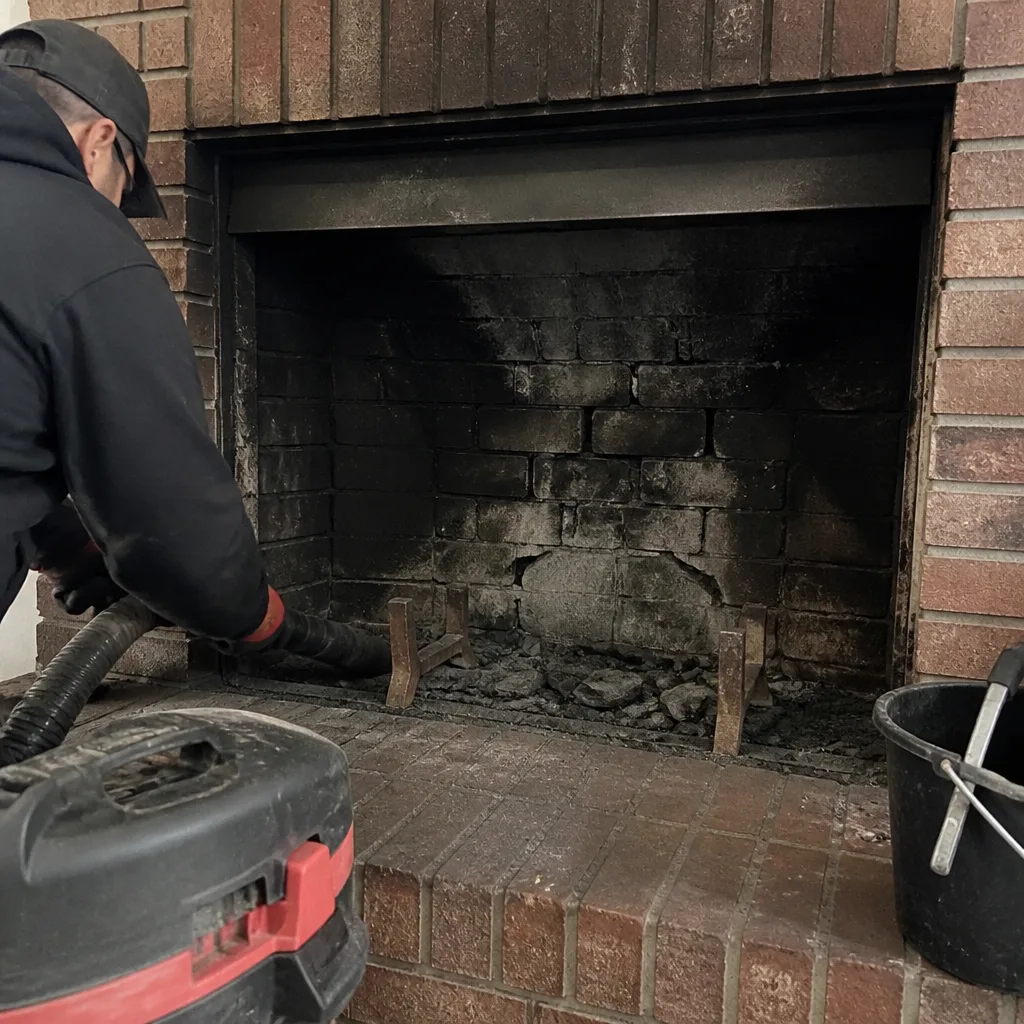 Before
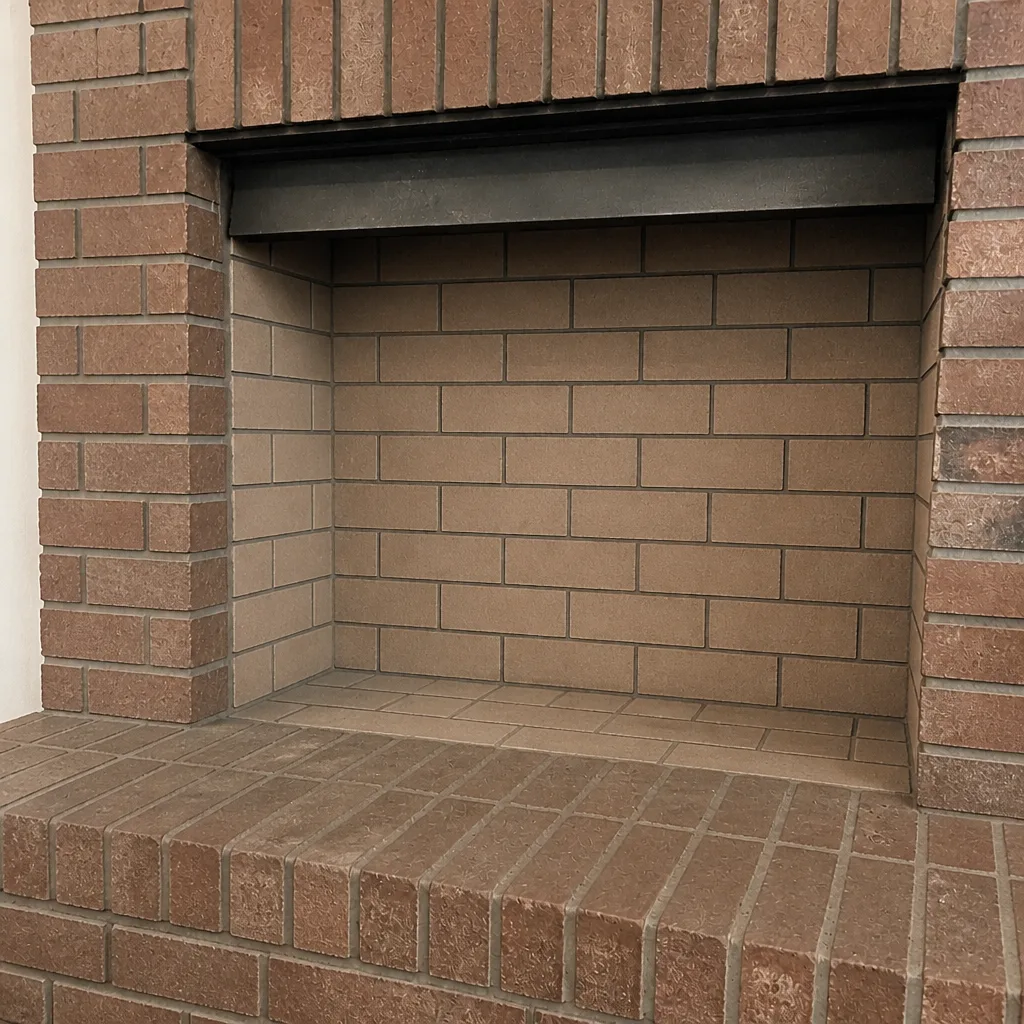 After
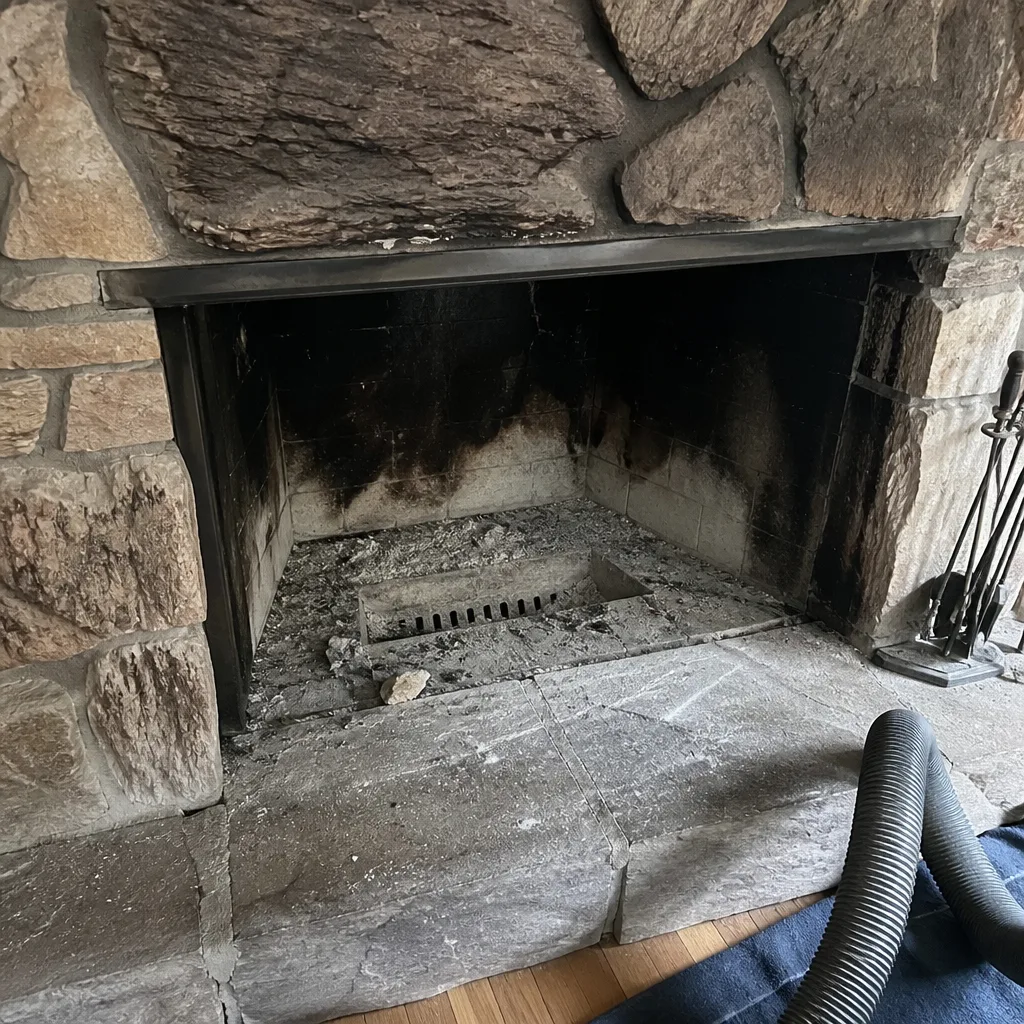 Before
 After
 Before
 After
When to Call a Professional
Call us for a chimney fire that’s out and needs investigating, a CO alarm the fire department has already cleared, or a cap, crown or chase cover that took damage in a windstorm. Call us if you’re buying a Federal Way home with a fireplace and there is no recent inspection, if your fireplace smokes back into the room, or if it’s simply been more than a year since the chimney was last swept. Federal Way Chimney Sweep offers free estimates in Federal Way – call (855) 658-4385. We answer 24/7. Fast dispatch from 7am to 7pm, Sunday through Friday. Call (855) 658-4385.
Frequently Asked Questions
Get everyone out of the house and call 911. Tell the dispatcher it’s a chimney fire, then close the fireplace doors and damper if you can do it safely on the way out. Never put water on a chimney fire – the thermal shock can crack a masonry firebox or warp a prefab liner. Once the fire department has cleared the house, call a chimney specialist to inspect the flue before anyone burns wood again. Call (855) 658-4385 – estimates are free.
A carbon monoxide event is silent, which makes it far harder to notice than a chimney fire. A chimney fire roars and shows smoke. CO has no color, no smell and no visible flame, so a CO alarm is usually the only warning you get. If the alarm sounds, get everyone outside and call 911. Once the fire department clears the house, a chimney inspection is what finds the blocked or failed flue that caused it. Call (855) 658-4385 to book that inspection.
Look at the top of the chimney from the ground, and check the roof only if you can do it safely. On masonry, look for cracks across the crown, chalky staining or flaking brick below it, and pieces of concrete on the roof. On a prefab chase cover, look for a lifted or missing cover, pulled screws, rusted or separated seams, and a cap detached from the flue. Any of that means no burning until it’s inspected. Call (855) 658-4385 – estimates are free.
Call 911 for anything active: fire, visible smoke from the chimney, a CO alarm, a smell of smoke in rooms without a fireplace, or a chimney that’s shifted or leaning. Call a chimney specialist for the aftermath – a fire that’s out, a CO event the fire department has cleared, or damage from a storm that didn’t threaten the structure. Federal Way’s response runs through South King Fire and Rescue, and their job ends where the repair begins. We handle that next step. Call (855) 658-4385.
Once a year is the standard, and it’s the most effective way to prevent the emergencies in this guide. Creosote builds up over a burning season in layers, and a glazed layer is the fuel a chimney fire needs. An annual sweep removes the buildup, and the inspection that goes with it catches a cracked flue tile, a failing crown or a loose cap before it becomes a CO event or water damage. Call (855) 658-4385 to book a sweep before burning season.
Often, yes. HeatShield ceramic resurfacing can restore a compromised flue liner in many cases, and it’s a fraction of the work a full liner replacement involves. When a full liner is the right answer, DuraFlex flexible liner systems give older fireplaces a properly sized flue without a full masonry rebuild. We don’t recommend either without camera evidence you can see for yourself, and we tell you plainly when a repair can safely wait. Call (855) 658-4385 – estimates are free.
The Bottom Line
Three chimney emergencies, three responses. A chimney fire means evacuate and call 911, then get the flue inspected. A carbon monoxide event means evacuate and call 911, then find the source with a proper inspection. Storm damage means stop burning until the cap, crown or chase cover is checked. The prevention in every case is the same: an annual sweep and inspection before burning season, documentation you can hand to an insurer, and a specialist you trust to tell you what needs fixing and what can wait. Federal Way homes burn wood in a wet, windy climate, and the chimneys that do it well are the ones that get looked at every year. For a look at the chimney system from top to bottom before the season starts, see our Federal Way Chimney Sweep page, or call (855) 658-4385 for a free estimate. We answer 24/7. Fast dispatch from 7am to 7pm, Sunday through Friday.
Written by the team at Federal Way Chimney Sweep.