
Last updated November 24, 2026
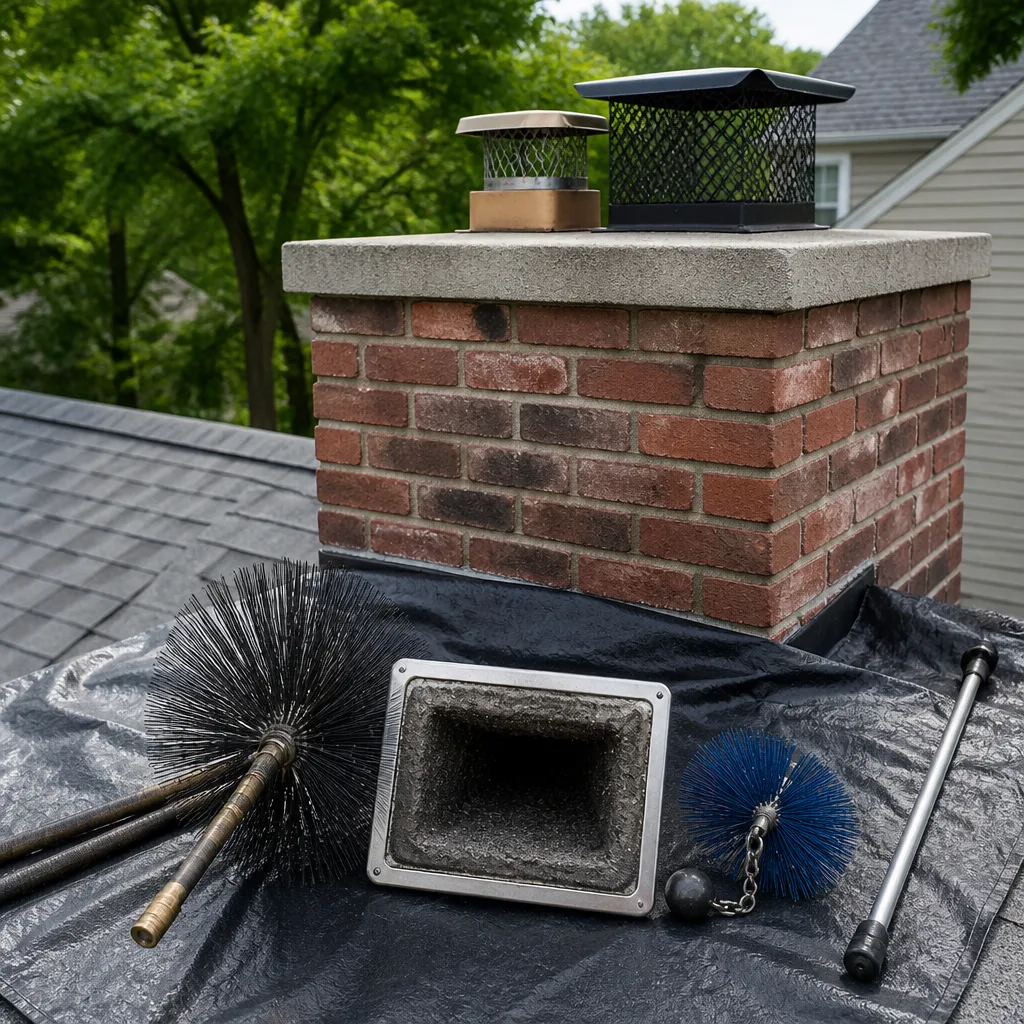 Sweep & inspection
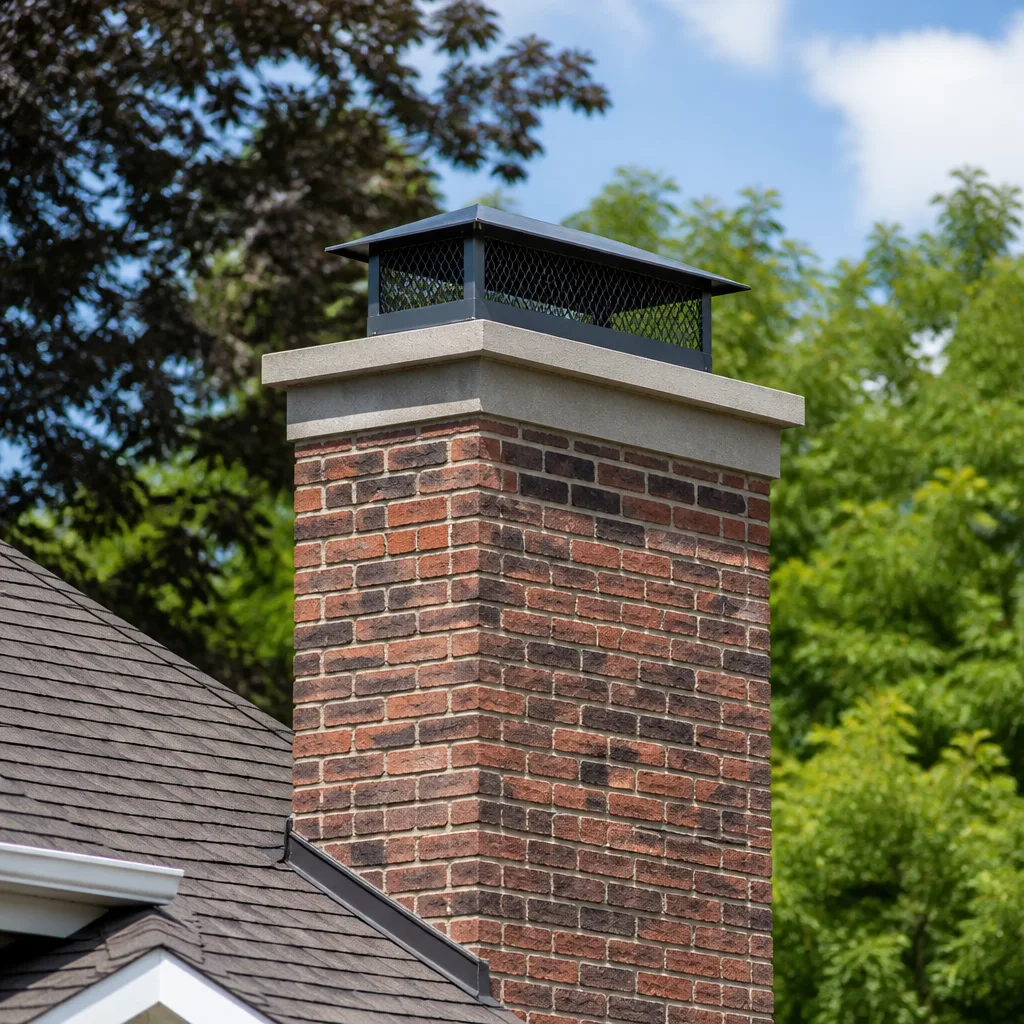 Caps & crowns
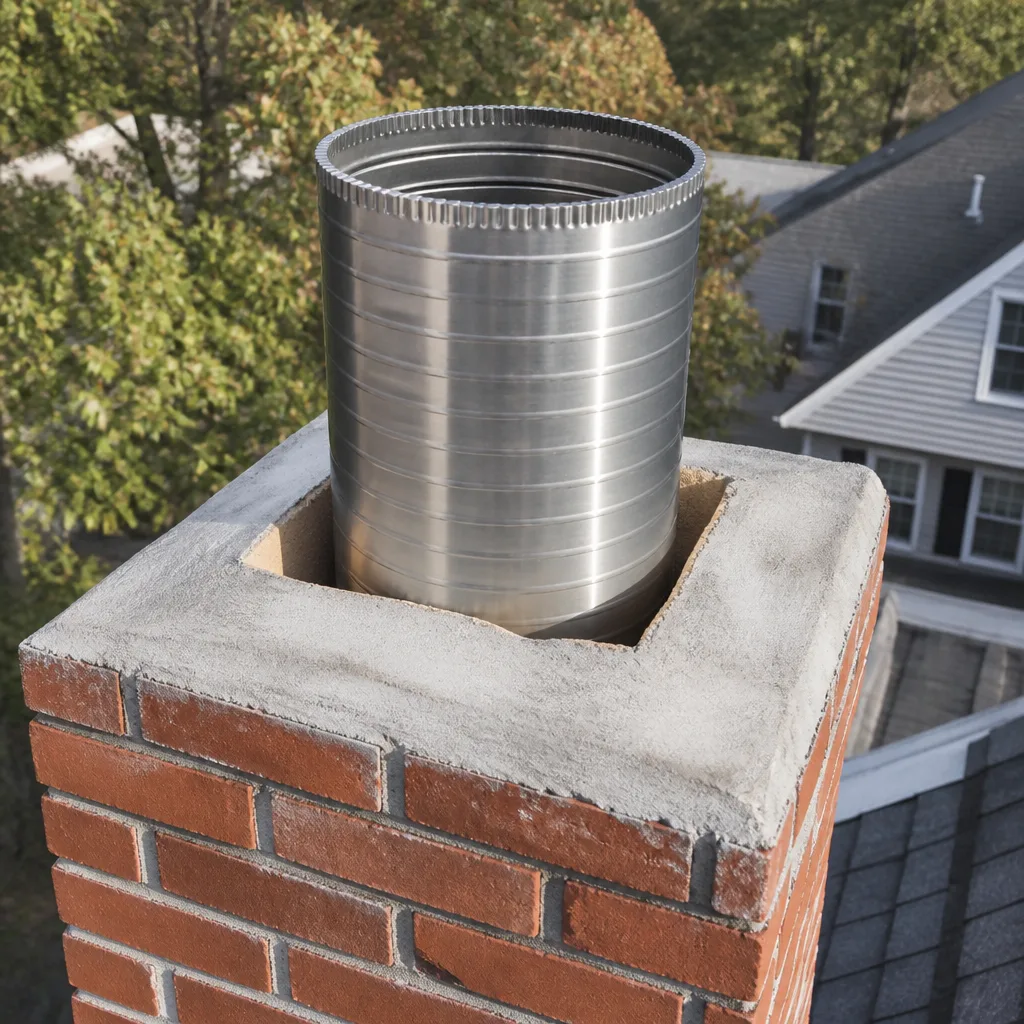 Flue relining
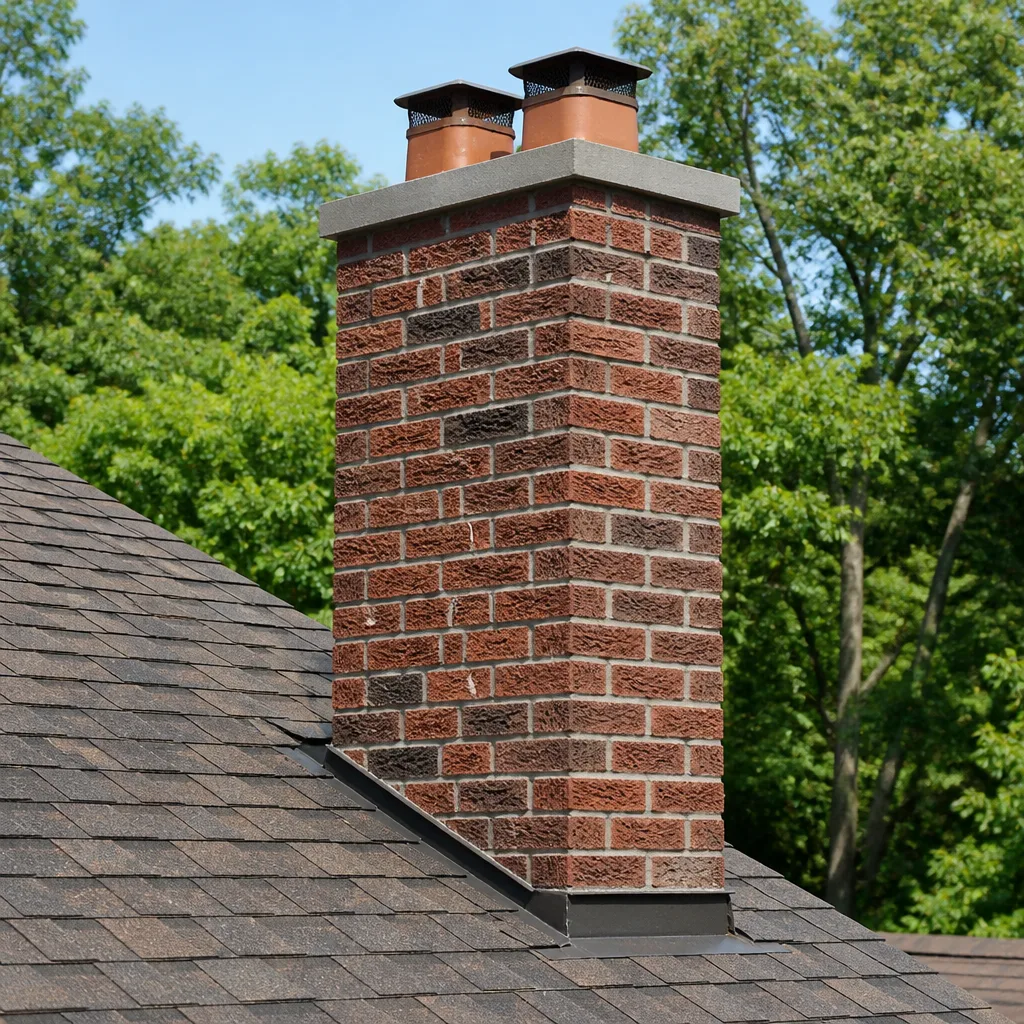 Masonry repair
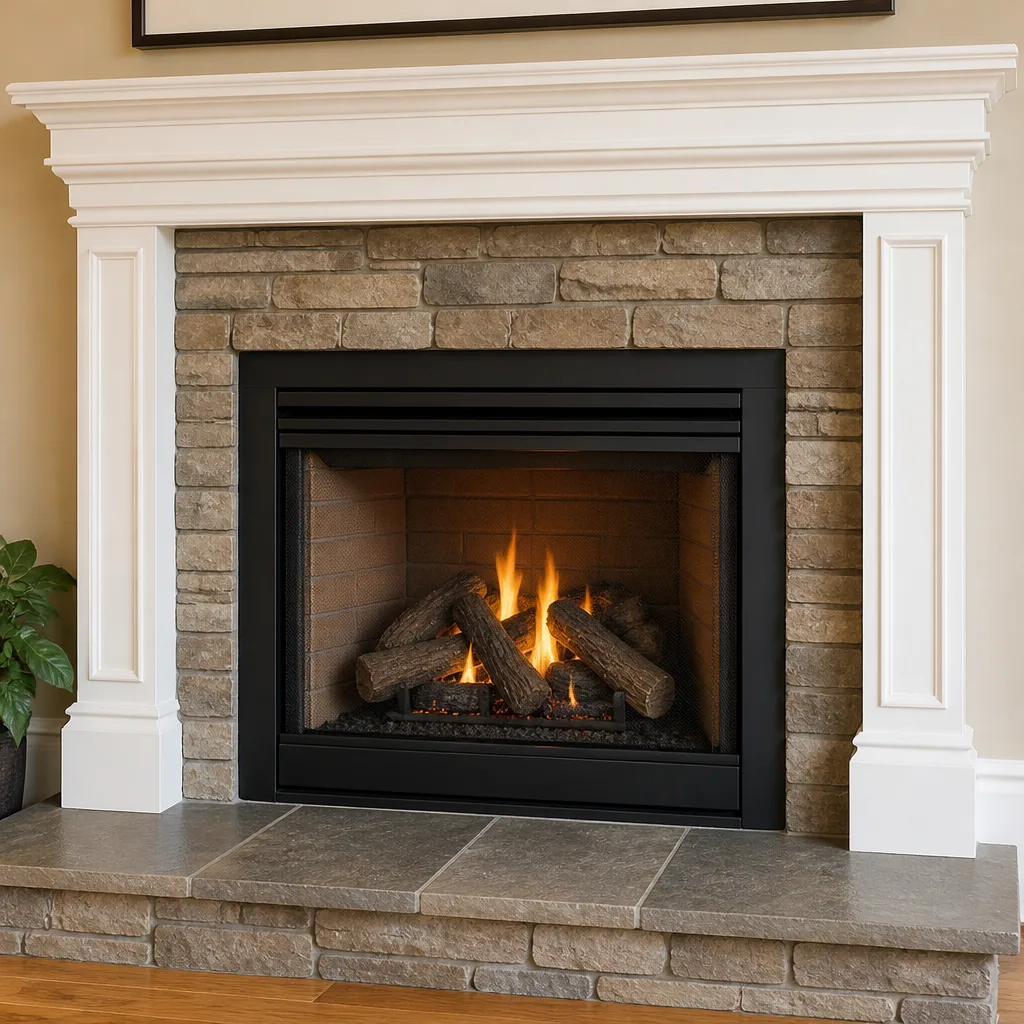 Gas fireplace service
Level 1 sweep and inspection to the NFPA 211 annual standard - flue, crown, cap, and flashing checked and photographed
Chimney sweep logs do not sweep chimneys. They loosen some creosote - which then falls where a brush and vacuum still have to collect it.
Chimney Sweep Maintenance Checklist for Federal Way Homeowners
When a chimney-related insurance claim gets denied in Washington State, the most common reason isn’t the damage itself. It’s that the homeowner couldn’t prove routine maintenance had occurred. Adjusters don’t ask whether you loved your fireplace. They ask for records: dates, findings, photos, and who did the work. A checklist kept on the fridge with a few penciled dates on it is not a record. A dated maintenance log with inspection findings and photographs is. That distinction is the whole point of this guide. We’re going to walk through a month-by-month chimney maintenance checklist built for Federal Way’s actual seasons, sort out what you can legitimately inspect yourself versus what needs a professional camera, and show you how to keep records in a format that adjusters and home inspectors accept without argument.
Quick Answer
A chimney maintenance checklist for a Federal Way homeowner should include a sweep and inspection before each burning season, monthly visual checks of the firebox, damper, cap, and visible flashing, an inspection after any major windstorm, and a written, dated log of every inspection with photos of what was found. Lower-use fireplaces aren’t exempt; a chimney used fewer than ten times a year still collects moisture damage, and the documentation gap is the same. Records matter as much as the work itself.
Styles & brands we work with
- Sweep & inspection
- Caps & crowns
- Flue relining
- Masonry repair
- Gas fireplace service
Table of Contents
- Why a Checklist Is Really a Documentation System
- The Federal Way Month-by-Month Checklist
- What You Can Inspect Yourself vs. What Needs a Camera
- How to Log Maintenance in a Format Adjusters Accept
- Red Flags Specific to 1970s – 1990s Federal Way Homes
- The Checklist for Low-Use Fireplaces
- Moisture, Caps, and Crowns: The Most Preventable Damage
- Post-Storm and Seasonal Triggers for an Unscheduled Inspection
Why a Checklist Is Really a Documentation System
A chimney checklist has two jobs, and most homeowners only think about one of them. The first job is practical: reminding you to sweep before the burning season, check the cap after a windstorm, and clear debris from the crown. The second job is legal and financial: proving that you maintained the system, on a schedule, with a professional who documented what they found. That second job is the one that decides insurance outcomes and smooths real estate transactions.
Insurance adjusters in Washington State handle chimney claims by asking a simple set of questions. Was the chimney maintained? When was it last inspected? Who did the work, and what did they find? If the answer is a shrug and a memory of “sometime last year,” the claim gets harder. If the answer is a dated inspection report with photographs and a signed summary of findings, the claim is straightforward.
The same records matter when you sell a Federal Way home. Buyers and their inspectors want a paper trail. A chimney that was swept and inspected every year, with records to prove it, is a chimney that doesn’t become a negotiating chip at closing. A chimney with no records invites a full inspection request, which invites findings, which invites renegotiation. Documentation is cheaper than renegotiation.
The framing to hold onto is this: your checklist is a living record. Every check you perform and every inspection you book adds a line to that record. The record doesn’t exist to satisfy a bureaucrat. It exists to protect you when the moment comes that someone else needs to know how the chimney was treated.
When you’re ready to start the record with a professional inspection, our chimney sweep service is where most Federal Way homeowners begin. The sweep produces the first log entry, and the inspection findings produce the rest.
The Federal Way Month-by-Month Checklist
Generic chimney checklists divide the year into spring and fall. Federal Way doesn’t divide neatly into spring and fall. It has a wet season that runs from roughly October into April, a drier stretch from May through September, and a shoulder period in each direction when windstorms and temperature swings do most of the damage. The checklist below follows the local rhythm, not a calendar printed in a national magazine.
Here’s the sequence we recommend, month by month.
- September: Book your pre-season sweep and inspection. This is when the schedule fills, so booking early means the inspection happens before the first fire, not after.
- October: Burn a small test fire and watch the draft. Note any smoke spill into the room. Check the cap and visible flashing from the ground with binoculars.
- November: Confirm your records are current. Log the sweep date, the inspector’s findings, and the photos. This is the entry adjusters will ask about first.
- December through February: Monthly visual check of the firebox, damper, and any creosote buildup visible at the flue opening. Note the dates.
- March: Post-season sweep if you burned heavily. Winter is when creosote accumulates and when the wet season does its work on masonry, so this check catches both.
- April: Inspect the crown and cap for winter damage. Water intrusion shows up here first, after the wettest months.
- May through August: The drier stretch is the window for any repairs the inspection flagged: crown work, cap replacement, liner resurfacing. Repairs done now cure properly before the rains return.
- Any month after a major windstorm: Unscheduled inspection. Federal Way gets wind events that loosen caps and crack crowns, and the damage is often invisible from the ground.
Every item on that list belongs in the log with a date. A checklist you follow but don’t record leaves you with the work and none of the proof.
What You Can Inspect Yourself vs. What Needs a Camera
Homeowners often ask which parts of a chimney inspection they can do themselves. The honest answer: some of it, legitimately, and some of it never. The line matters because a self-check that gives false confidence is worse than no check at all.
These are the items a homeowner can visually inspect, safely, without climbing or reaching into anything:
- Firebox interior: Look for loose or cracked firebrick, crumbling mortar joints, and signs of rust on the firebox grate.
- Damper operation: Open and close it fully. Note whether it seats correctly and whether it moves freely.
- Visible flashing from the ground: Binoculars are fine. Look for separated metal, missing sealant, or gaps where the flashing meets the roof.
- Cap condition: From the ground, check that the cap is present, intact, and free of visible rust or missing screen.
- Creosote visible at the flue opening: A flashlight shines up the flue enough to show obvious buildup at the bottom.
- Draft test: A small test fire that spills smoke into the room is telling you something needs professional attention.
These are the items that require a trained inspector with a camera, and no amount of visual checking from below substitutes for them:
- The full interior of the flue liner: Cracks, gaps, and spalling only show up on camera.
- Joints between flue tiles: The most common failure point, and invisible without a camera run.
- Creosote depth and type: Glazed creosote behaves differently from soot, and the difference decides how the chimney gets cleaned.
- Rooftop cap and crown condition at close range: Ground-level looks miss the hairline cracks that let water in.
- Flue sizing against the appliance: A properly sized flue doesn’t smoke, and sizing requires measurement, not a glance.
- Hidden moisture damage in the masonry: Spalling, efflorescence, and cracked crowns all show better up close.
When the professional inspection happens, we run a camera through the flue and document what it finds. Photographs of the interior become part of your log. If your chimney has visible problems the camera confirms, chimney repair is the next step, and the photos tell you exactly what needs repairing and why.
How to Log Maintenance in a Format Adjusters Accept
A maintenance log that holds up is a log with four things per entry: a date, a description of the work or check, a name of who performed it, and a photo or document. Anything less, and the log is a memory aid rather than a record. The format matters less than the consistency.
Here’s a structure that works. Every entry gets its own line, in a notebook or a spreadsheet, whichever you’ll actually keep up with.
- Date: The exact day of the inspection, sweep, or check. Not “fall 2025.” A date.
- Work performed: A sentence describing the service, e.g., “annual sweep and Level 2 inspection,” or “visual check of firebox and damper, no findings.”
- Who performed it: The company name for professional work, and “self-check” for visual items. Adjusters want to know which entries were professional and which weren’t.
- Findings: The inspector’s summary of what was found. If the answer was “clean, no issues,” write that. A clean entry is as valuable as a findings entry.
- Photos or report attached: Every professional inspection should produce a photo report. Keep it with the log entry, digital or printed.
- Follow-up: Any recommended work and its status. “Cap replacement recommended, completed May” closes the loop.
Store the log where it survives a move, a sale, or a claim. A digital file in cloud storage is usually the safest. A binder that travels with the house is also fine, as long as it stays current. When you sell a Federal Way home, that same binder or file becomes something a buyer’s inspector can review in a few minutes, and a documented chimney rarely becomes a renegotiation item.
The professional report that starts the log comes from the inspection itself. Our Federal Way Chimney Sweep team produces a dated report with photographs for every inspection, so the first entry is the one a professional created, not one you wrote from memory.
Red Flags Specific to 1970s – 1990s Federal Way Homes
Federal Way grew fast in the 1970s, 1980s, and 1990s, and a large share of the housing stock dates to that stretch. Chimneys from that era share a set of construction details that fail in predictable ways, and homeowners should know what to watch for. None of these are universal problems, but each is a trigger for an unscheduled inspection rather than waiting for the annual visit.
Watch for these indicators on a home built in that window:
- Efflorescence on the exterior masonry: That white chalky staining is a moisture signature. It means water has been moving through the masonry and depositing minerals on the surface.
- Spalled brick faces: Bricks that have lost their outer face, leaving a crumbly surface, have been through repeated freeze-thaw cycles with moisture inside them.
- Hairline cracks in the crown: Crowns from that era crack as they age, and every crack is a path for water into the chimney structure.
- Original flue tiles with gaps: Older clay tile liners often have joints that have opened, and the gaps let creosote and moisture reach the masonry.
- Missing or rusted caps: A cap that failed years ago left the flue open to rain. The damage from that period shows up in the camera inspection.
- Rust streaks down the exterior: Rust runoff usually points to flashing that has separated or a cap that has corroded through.
- Mortar joints receding on the chimney top: The upper courses weather first because they see the most water and the most freeze-thaw.
If you see any of these on a Federal Way home from that era, don’t wait for the next scheduled sweep. Book an inspection. We document what the camera finds and explain your options before any work begins, and often the findings point to a fixable crown or cap issue rather than a full rebuild.
The Checklist for Low-Use Fireplaces
Here’s the misconception worth correcting: a fireplace you barely use doesn’t need much maintenance. The truth is closer to the opposite. A chimney that gets used rarely still sees the same weather as one that burns every winter night, and the wet season does its work whether or not there’s a fire in the box. In fact, the lack of regular hot fires means less drying out between rain events, and moisture accumulation is exactly what damages masonry, flue tiles, and firebox mortar.
If you use your fireplace fewer than ten times a year, the checklist changes less than you’d think. These items still matter:
- Annual inspection: Still annual. The inspection looks for moisture damage, cracked tile, and crown condition, all of which happen with or without fires.
- Sweep based on findings: A low-use chimney may not need a full sweep every year, but the inspection decides that, not the calendar alone.
- Cap and crown check: Just as important. A low-use chimney with a missing cap is a low-use chimney filling with water.
- Damper seal: Check that the damper closes fully. An open damper lets warm air out and moist air in all year.
- Seasonal pest and debris check: Birds, squirrels, and wasp nests find an unused chimney appealing. A visual check before the season catches it.
- The log, kept current: Low-use homeowners often skip the record, then discover during a claim or inspection that there’s no proof of maintenance at all.
The lower-use fireplace is the one most often neglected and the one most likely to surprise its owner with a failed inspection at resale. Keep the record. Keep the annual inspection.
Moisture, Caps, and Crowns: The Most Preventable Damage
Ask any chimney professional what causes the most chimney deterioration, and water is the answer nearly every time. Not fire, not creosote, not age. Water. The cap and crown are the two components that stand between your chimney and the rain, and they’re also the two most commonly missing, cracked, or rusted. Which means the most common damage is the most preventable damage.
The cap is the top covering that keeps rain, debris, and animals out of the flue. A missing or damaged cap lets water directly into the flue, where it reaches the liner, the firebox, and the masonry. The crown is the sloped concrete or masonry surface on top of the chimney that sheds water away from the structure. A cracked crown lets water seep into the masonry below, where freeze-thaw cycles do the rest.
Federal Way’s wet season gives that damage months to develop. A single winter with a failed cap or a cracked crown can produce enough water intrusion to spall brick faces, open mortar joints, and rust damper assemblies. Catch it earlier, and the fix is usually a cap replacement or a crown repair. Catch it later, and it can escalate into structural work.
The cap and crown products on the market are designed for this specific job. We work with Famco and Copperfield caps, manufacturers known for chimney weatherproofing components rather than generic metal goods, and the caps are sized to fit the flue properly instead of leaving gaps. Cap and crown installation is one of the five services we provide, and it’s one of the most valuable from a pure damage-prevention standpoint.
Check the cap and crown visually every few weeks during the wet season. Binoculars are enough for the cap. The crown is harder to assess from the ground, which is why the annual inspection includes a close rooftop look at both. If the inspection finds a cracked crown or a failed cap, fireplace repair and related masonry work can usually address it before the next rainy stretch.
Post-Storm and Seasonal Triggers for an Unscheduled Inspection
The annual checklist covers the routine. Unscheduled inspections cover everything else, and in Federal Way, the “everything else” is usually weather. The pattern is worth internalizing: the annual sweep happens on schedule, and additional inspections happen when something signals they should.
Book an unscheduled inspection when any of these occur:
- After a major windstorm: Wind events loosen caps, lift flashing, and crack crowns. The damage often isn’t visible from the ground, which is exactly why the inspection matters.
- After a chimney fire, even a small one: A fire that sounds like a freight train, or a burst of smoke into the room, means the liner should be inspected before the next fire. Even a minor fire can crack tile.
- After an earthquake felt in the area: Masonry chimneys are vulnerable to movement, and cracks can open without visible signs from inside the house.
- When you see efflorescence, spalling, or rust streaks on the exterior: These are moisture signatures, and they mean water has been getting in.
- When the fireplace smokes into the room: Smoke spill usually points to a drafting problem, a flue sizing issue, or an obstruction, and none of them fix themselves.
- When you notice a new smell, especially in warm weather: A chimney smell in summer often means creosote or moisture, and both deserve a look before the season starts.
- When a storm drops debris on the roof near the chimney: Branches and shingles can damage the cap or flashing without obvious signs from below.
- Before listing a home for sale: A pre-listing inspection produces the records that keep a chimney from becoming a negotiation item.
Each of these is a checklist trigger. Write it into the log as a separate entry with the reason noted, and the record stays complete.
Common Mistakes to Avoid
- Treating the checklist as a reminder rather than a record. A checklist that gets followed but not documented leaves you with the work and none of the proof. Write the dates down, every time.
- Skipping the annual inspection because the fireplace wasn’t used much. Low-use chimneys collect moisture damage the same as heavily used ones, and the inspection catches problems before they become repairs.
- Assuming a cap is optional. A cap keeps rain, animals, and debris out of the flue. A missing cap fills the chimney with water, and water is the leading cause of deterioration.
- Ignoring the crown until the masonry is damaged. Hairline cracks in a crown are a seasonal maintenance item. Cracked masonry below is a repair project.
- Self-inspecting the flue and calling it sufficient. Visual checks from the firebox don’t show the liner interior. The camera inspection is the only way to see it.
- Waiting for the schedule after a windstorm. Post-storm damage doesn’t wait for the annual sweep. Book the unscheduled inspection and log the reason.
- Forgetting to log the professional’s findings. The inspection report is the most valuable entry in the log. If it isn’t filed with the other entries, it’s half a record.
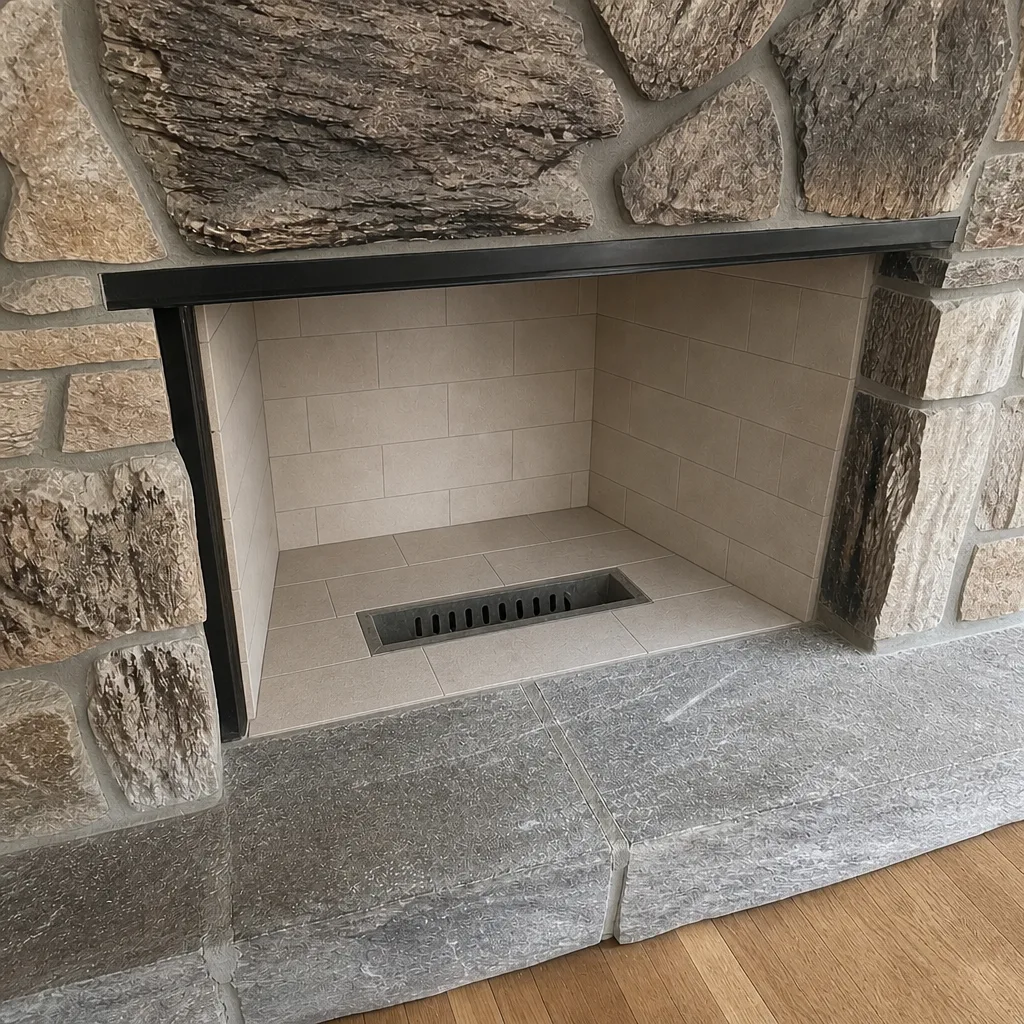
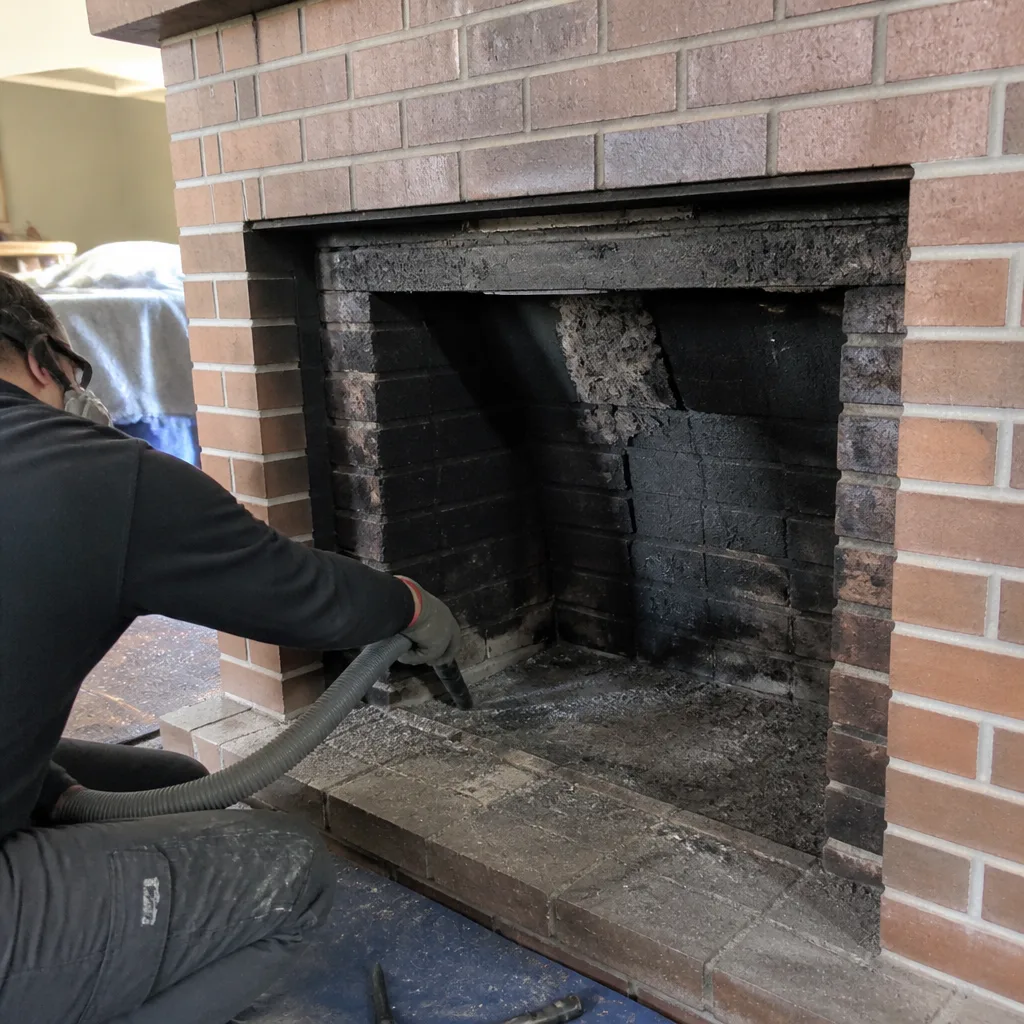
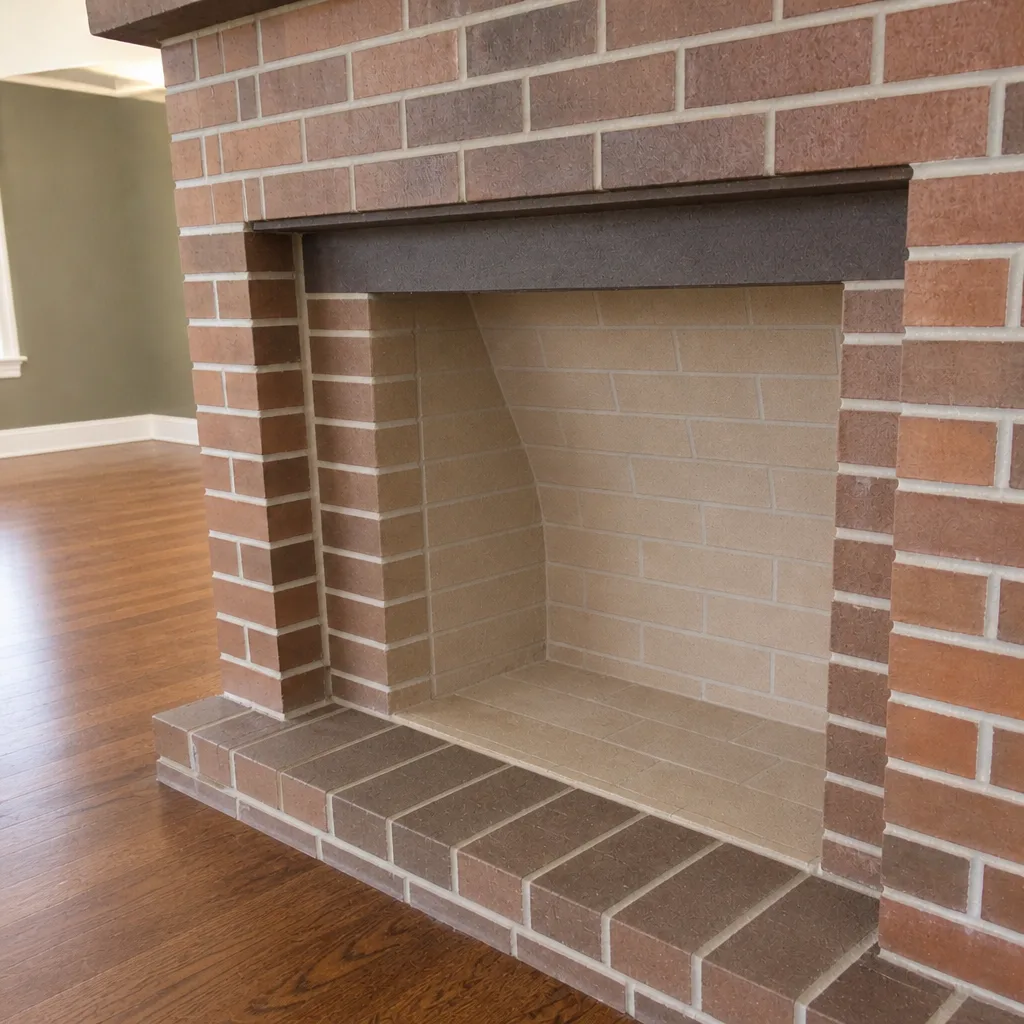
See the difference
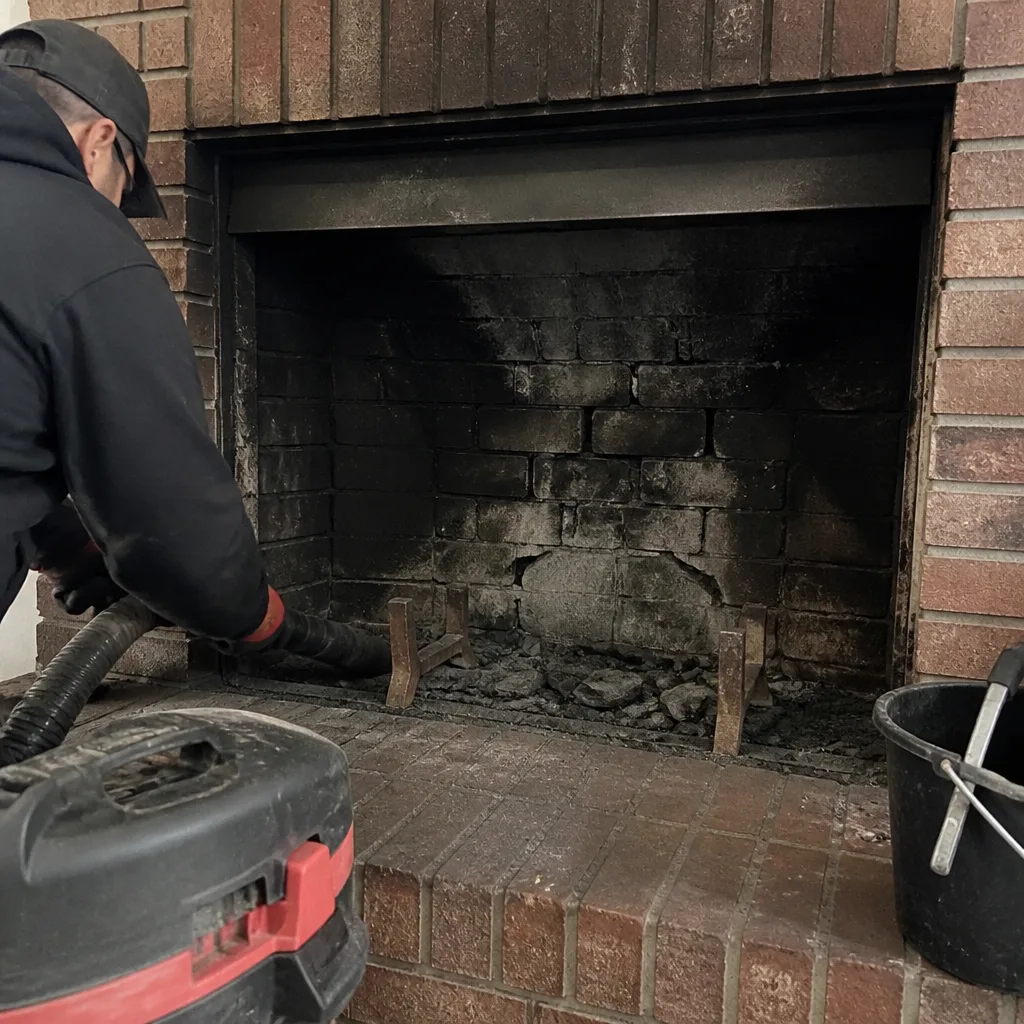 Before
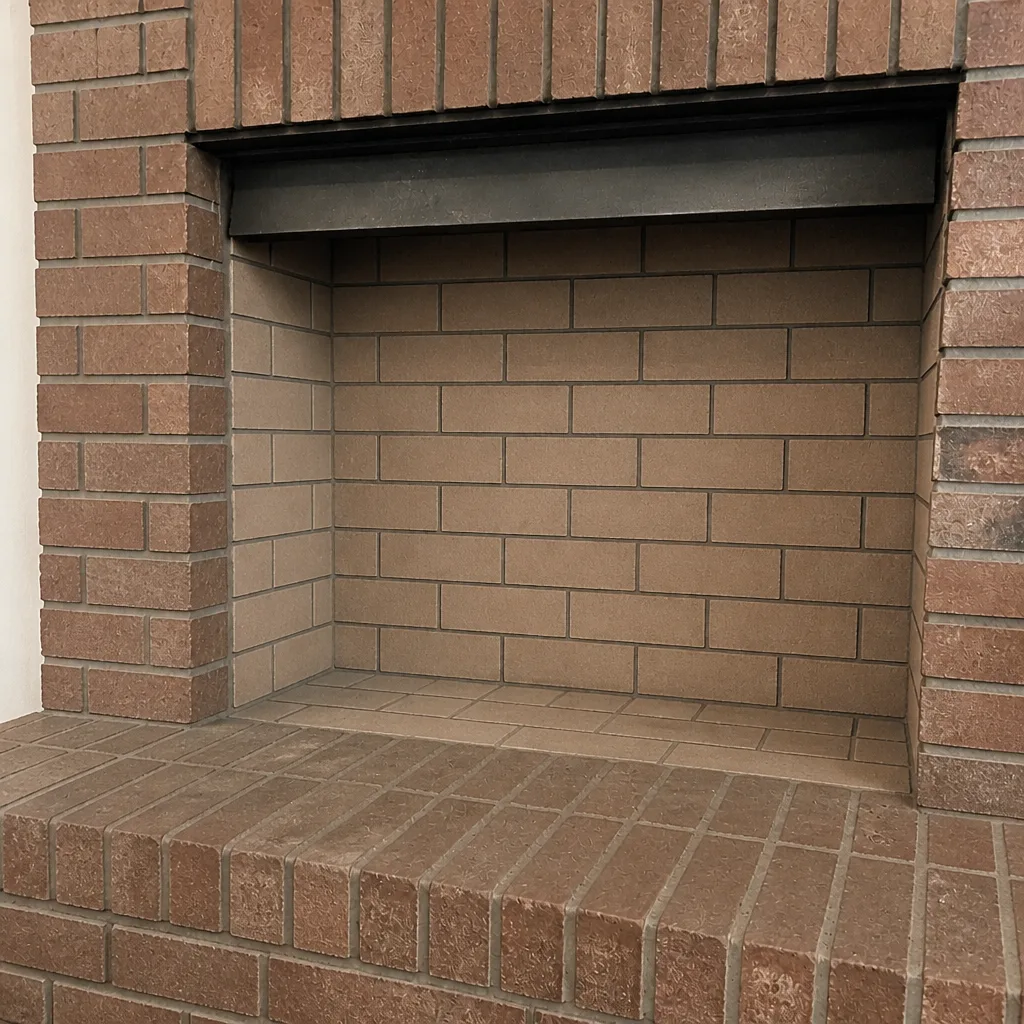 After
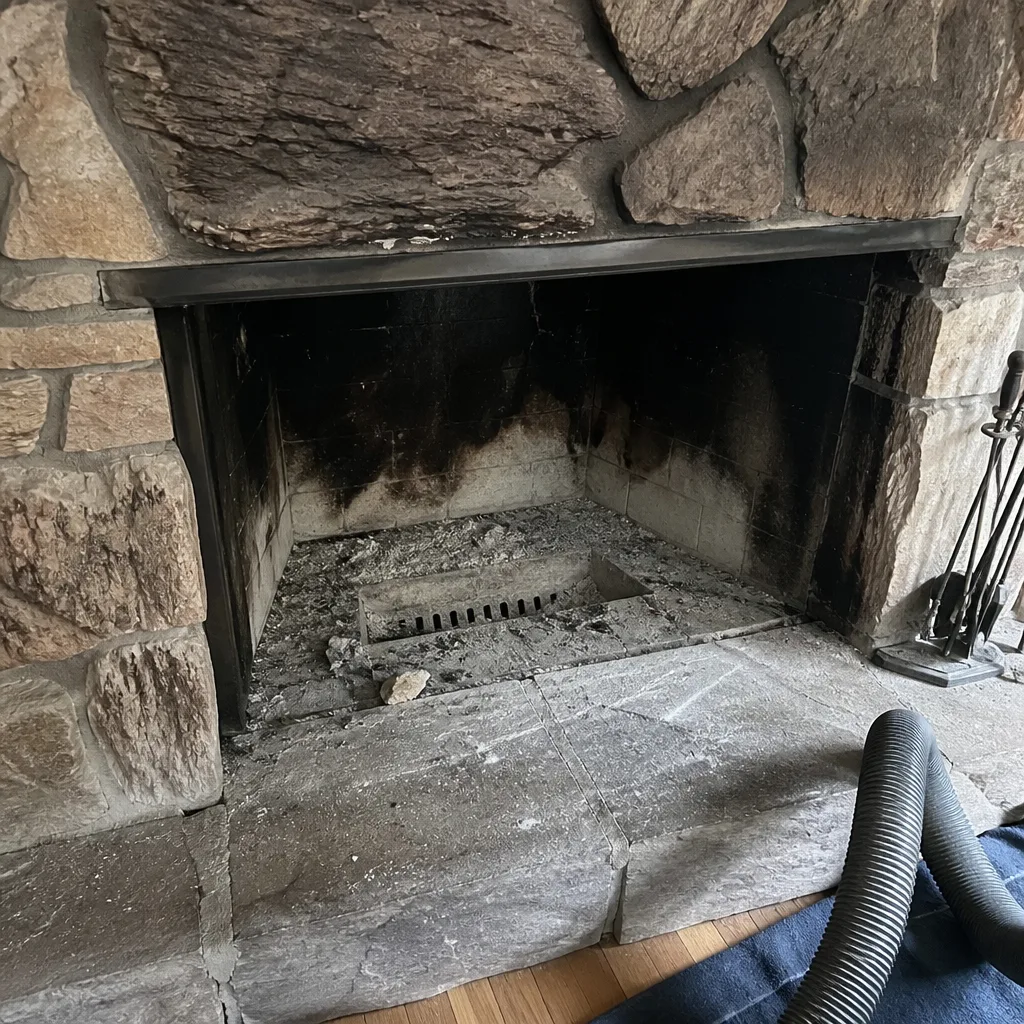 Before
 After
 Before
 After
When to Call a Professional
Call a professional when the checklist surfaces something you can’t verify safely: a camera inspection to confirm the liner interior, a close rooftop look at the cap and crown, a chimney fire, a strong smell in warm weather, or a draft problem that persists after a clean firebox. Call when you see efflorescence, spalling, or rust streaks on the exterior of a Federal Way home, and call before you list a home for sale so the inspection records are in place. And call when the log needs its first professional entry. For a documented sweep and inspection, our chimney sweep service produces the dated report with photos that starts the record, and Federal Way Chimney Sweep offers free estimates in Federal Way at (855) 658-4385. We document what we find and explain your options before any work begins. Our technicians have up to 14 years of experience, and we answer 24/7, with fast dispatch from 7am to 7pm, Sunday through Friday. Call (855) 658-4385.
Frequently Asked Questions
Once a year is the baseline for Federal Way homeowners, with the sweep scheduled before the burning season and the inspection documenting what the camera finds. A low-use fireplace still needs the annual inspection even if the sweep frequency can be reduced based on what’s found. Book early in September, since that’s when the schedule fills.
A dated report with the inspector’s findings, the photos from the camera run, and the name of the company that performed the work is what adjusters and home inspectors expect. The four essentials are a date, a description of the work, who performed it, and the supporting photos or report. Anything less holds up poorly when a claim or a sale is on the line.
A cracked crown is a moisture pathway, and moisture is the leading cause of chimney deterioration, so it’s worth fixing before the wet season arrives. Caught early, crown repair is a manageable project. Caught late, after the masonry below has been saturated through multiple winters, it can escalate into structural work. Have the crown checked during the annual inspection, and again after any windstorm in Federal Way.
Yes, and the annual inspection matters as much as it does for a heavily used fireplace. Low-use chimneys see the same weather, and the lack of regular fires means less drying out between rain events, which can actually accelerate moisture damage. The checklist for a low-use fireplace is shorter on sweeping but not on inspection, cap checks, or documentation.
Efflorescence, spalled brick faces, rust streaks on the exterior, hairline crown cracks, or a missing cap all point to moisture problems that warrant a look. On a home built in the 1970s, 1980s, or 1990s, these indicators mean the original construction details may have failed in one of the predictable ways. Book the unscheduled inspection rather than waiting for the annual sweep.
Caps and crowns are the two components that keep rain out of the chimney, so they directly prevent the most common cause of deterioration. A missing cap lets water into the flue; a cracked crown lets water into the masonry. The cap and crown products we install, including Famco and Copperfield caps, are designed specifically for weatherproofing. It’s maintenance, not an upsell.
The Bottom Line
A chimney maintenance checklist works when it’s treated as a living record, not a reminder app. Sweep and inspect before each Federal Way burning season, do the monthly visual checks on firebox, damper, cap, and visible flashing, book an unscheduled inspection after windstorms, and log every entry with a date, a description, a name, and a photo. Homeowners with low-use fireplaces need the same inspection and records, because moisture damage doesn’t care how often you light a fire. Older Federal Way homes from the 1970s through the 1990s deserve extra scrutiny for moisture signatures. The professional inspection that starts the record is where it all begins. Federal Way Chimney Sweep offers free estimates at (855) 658-4385. We answer 24/7, with fast dispatch from 7am to 7pm, Sunday through Friday.
Written by the team at Federal Way Chimney Sweep.