
Last updated November 24, 2026
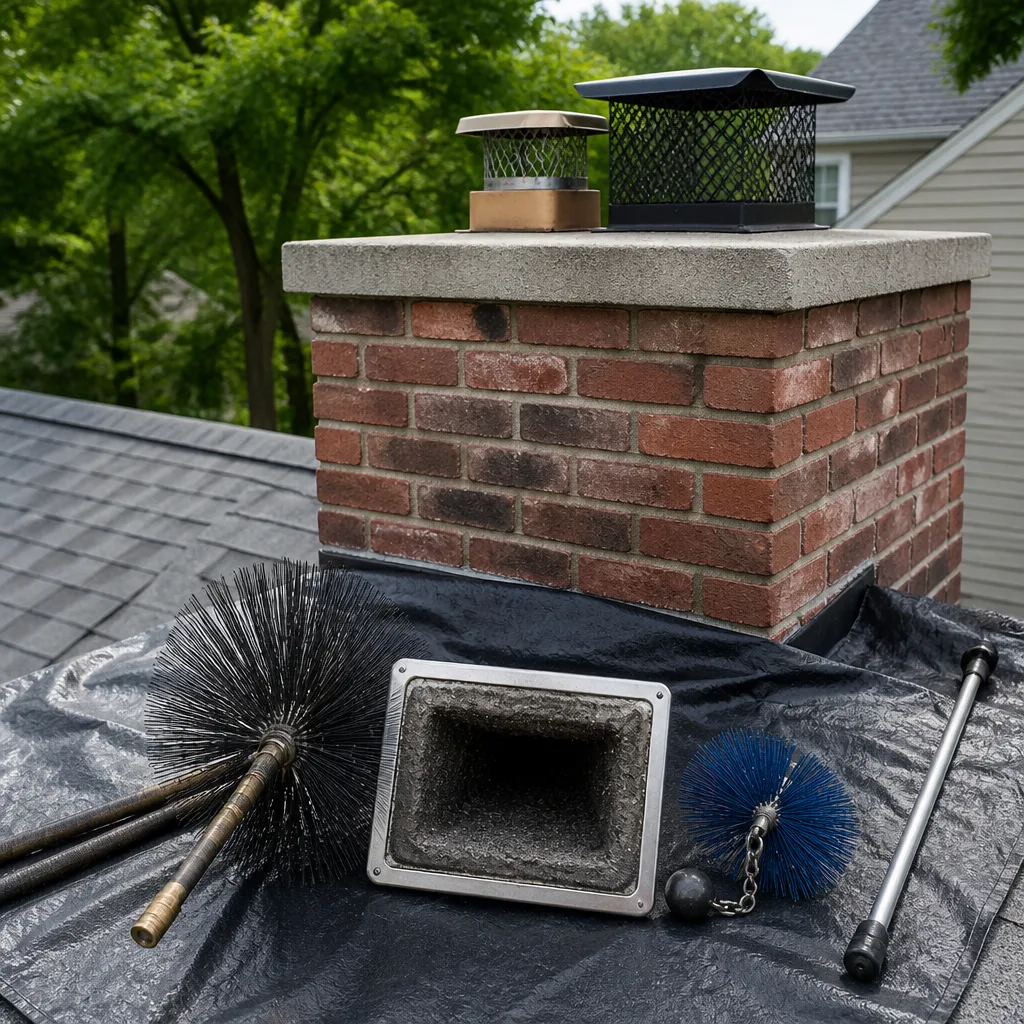 Sweep & inspection
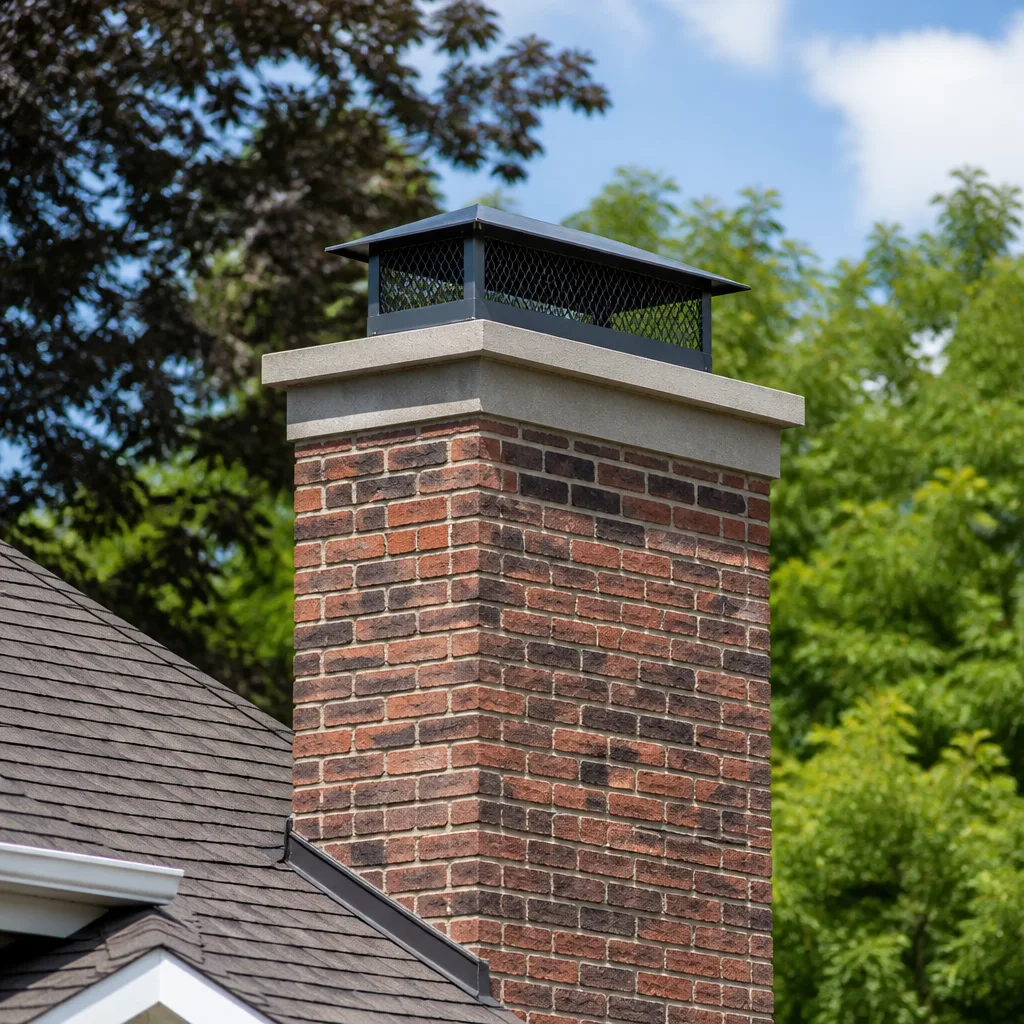 Caps & crowns
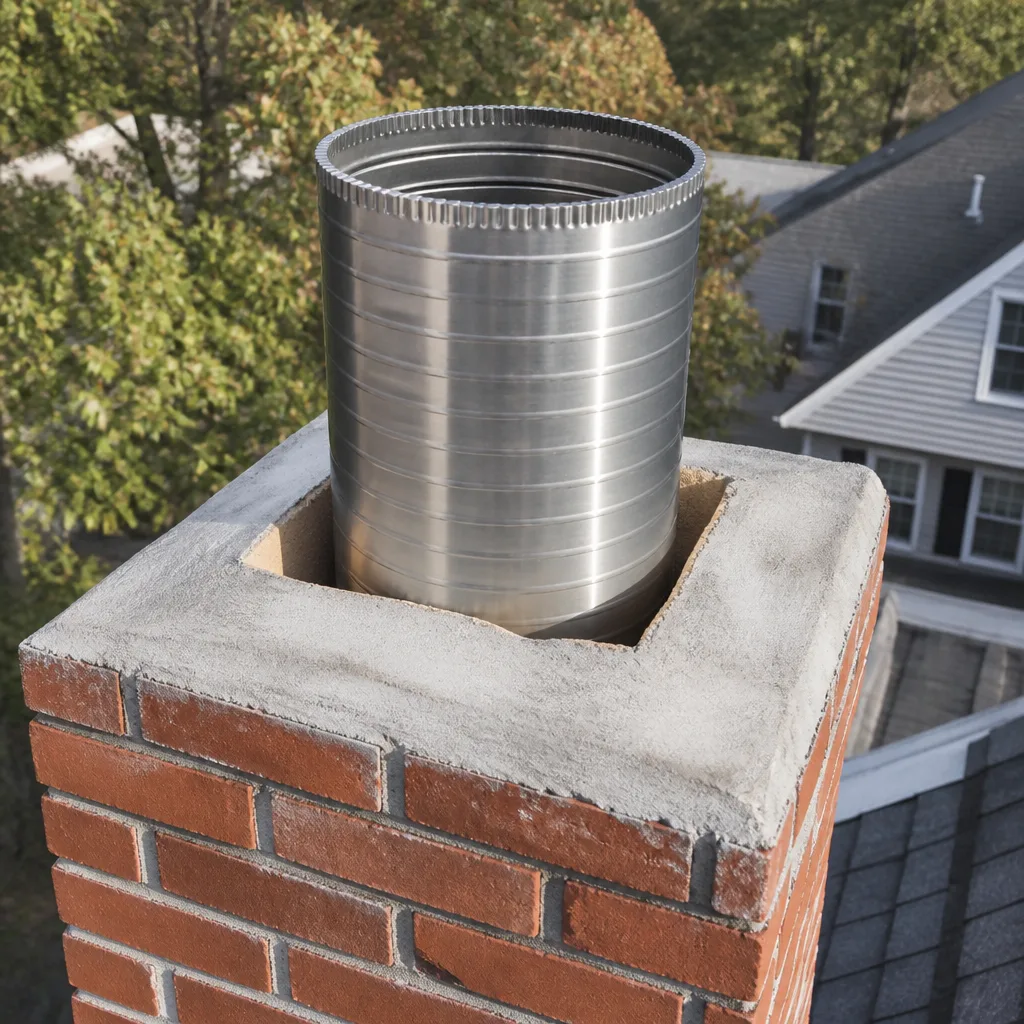 Flue relining
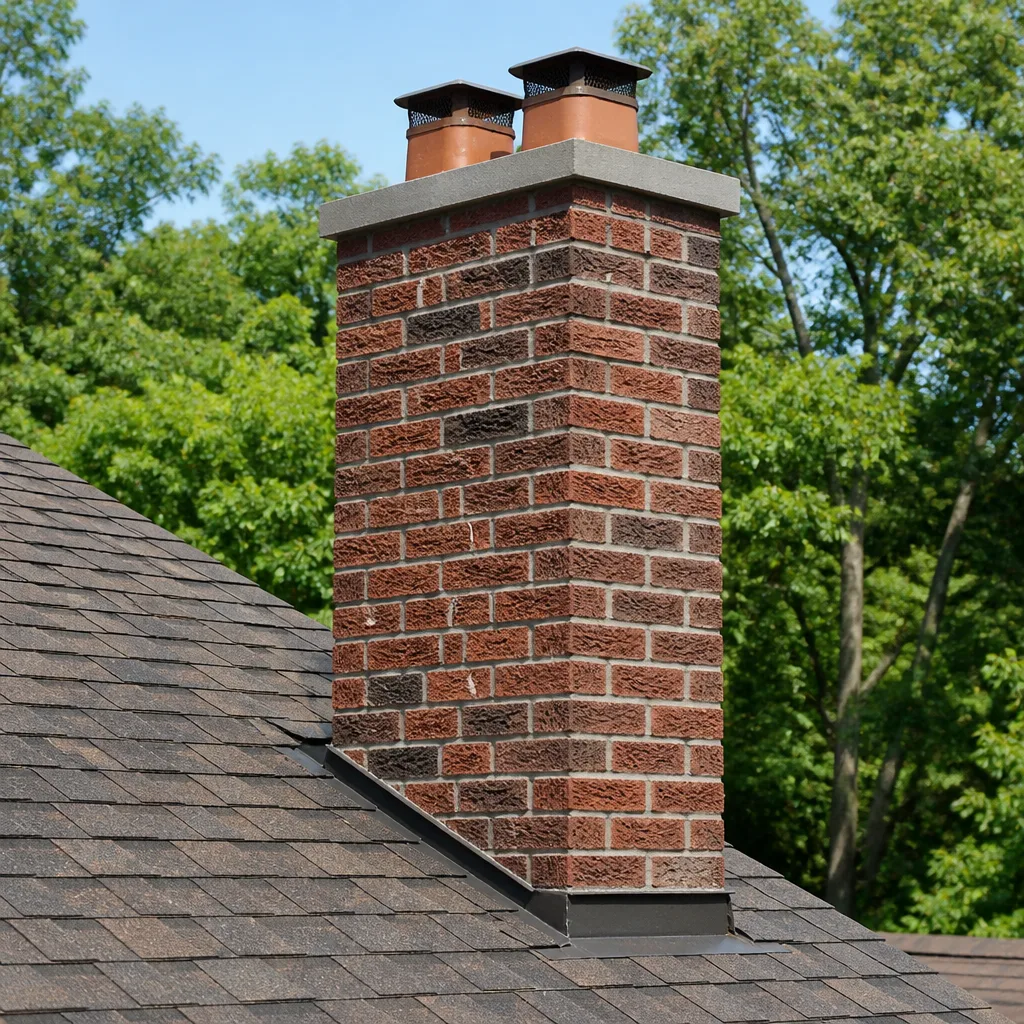 Masonry repair
 Gas fireplace service
Level 1 sweep and inspection to the NFPA 211 annual standard - flue, crown, cap, and flashing checked and photographed
Chimney sweep logs do not sweep chimneys. They loosen some creosote - which then falls where a brush and vacuum still have to collect it.
Chimney Cleaning Warning Signs: A Federal Way Homeowner’s Reference Guide
A strong smoke smell in your living room isn’t always a creosote emergency. Sometimes it’s a pressure imbalance caused by a bathroom exhaust fan pulling air backward down the flue. Knowing the difference saves you an unnecessary service call and helps you describe the real problem accurately when you do call. That’s what this guide is for. Most chimney warning signs get described in vague, alarming language that leaves homeowners unsure whether to panic or ignore the problem entirely. We take the opposite approach: specific symptoms, what each one actually indicates mechanically, and the realistic response timeline. You’ll learn to read your own chimney the way a technician does during an inspection in Federal Way.
Quick Answer
The most reliable chimney cleaning warning signs are a strong smoky odor that lingers after fires, black or glazed buildup visible on the flue walls with a flashlight, smoke rolling back into the room instead of drafting up, white staining on exterior brick, and any water appearing inside the firebox. Of those, smoke rollback and glazed creosote mean stop using the fireplace now and call. Odors, light soot, and exterior staining usually justify a scheduled appointment. Our technicians have up to 14 years of experience distinguishing the two categories, and you can too with the right reference points.
Styles & brands we work with
- Sweep & inspection
- Caps & crowns
- Flue relining
- Masonry repair
- Gas fireplace service
Table of Contents
- A Symptom-by-Symptom Guide to Chimney Warning Signs
- What White Staining on Your Brick Actually Means
- Draft Problems vs. Actual Flue Blockage
- Reading Creosote Stages with a Flashlight
- Moisture Intrusion Warning Signs in Federal Way’s Rainy Season
- Which Warning Signs Mean Stop Today
- What a Professional Sweep and Inspection Involves
A Symptom-by-Symptom Guide to Chimney Warning Signs
Each symptom your chimney produces points to a specific mechanical cause. Here’s how to sort what you’re noticing into something you can describe clearly:
- Smoke rolling back into the room. This means the flue isn’t pulling exhaust upward at the rate the fire produces it. Causes range from a cold flue that hasn’t warmed up yet to a blockage, an undersized flue, or negative pressure in the house. It’s the single most important symptom to report accurately.
- A smoky, acrid smell even when there’s no fire. Creosote and soot deposits absorb moisture and off-gas when the weather changes. A persistent smell six weeks after your last fire points to buildup that needs sweeping, not just a drafty room.
- Black staining above the firebox opening. Soot that extends up the face of the fireplace and onto the mantel suggests smoke is escaping at the throat rather than traveling up the flue.
- Visible crumbling or missing mortar in the firebox. Heat cycling degrades the firebox joints over time. Crumbling joints let heat reach material that wasn’t designed for it.
- A clicking or tapping sound you can’t place during a fire. Metal components expand as they heat. New noises in the firebox, damper, or chimney connector often trace back to a loose or corroded part.
- Water in the firebox after heavy rain. That’s not condensation. Rain is entering somewhere it shouldn’t, most likely at the crown or a missing cap.
In our experience, homeowners who arrive at their appointment with a symptom description like this get a faster, more accurate diagnosis than those who simply say “my chimney seems off.” Specificity is worth the two minutes it takes to write down what you noticed, when it happens, and whether it correlates with weather, wind direction, or other appliances running.
If you want a baseline before you get to a full inspection, a routine chimney sweep is the right first step. A sweep clears the deposits that make symptoms hard to read, and the technician can tell you what he or she finds while working.
What White Staining on Your Brick Actually Means
White, powdery staining on exterior brick is called efflorescence, and it indicates moisture moving through the masonry and evaporating at the surface, leaving mineral salts behind. That’s a moisture signal, not a sign of a dangerous chimney fire. It’s one of the most misread warning signs we encounter in Federal Way, because the appearance overlaps with the early stages of spalling, where brick faces actually flake and fall away.
Here’s how to tell them apart:
- Efflorescence wipes away or dissolves. If the white deposit brushes off or rinses clean with water, it’s salt crystals sitting on the surface.
- Spalling does not wipe away. If you see pits, flaking faces, or crumbled brick material on the ground below your chimney, the masonry itself is breaking down. That’s structural deterioration and gets a professional inspection.
- Efflorescence returns after cleaning. Coming back within a season or two means the moisture source is still active: a failed crown, a missing or cracked cap, or cracked mortar joints letting water in.
What efflorescence does not indicate is creosote accumulation or a combustion problem. It’s a water story, not a fire story. The moisture source has to be located and closed off, which usually means work on the crown, the cap, or the masonry joints. A properly fitted cap using Famco or Copperfield components keeps rain and animals out at the top of the flue, and repairing the crown directs water away from the masonry itself.
Left alone, that moisture cycling will eventually take a chimney through the spalling stage, where brick faces break down. That’s why we treat efflorescence as a scheduled-appointment sign rather than an emergency. The damage is slow, but the repair only gets larger the longer the water source stays open.
Draft Problems vs. Actual Flue Blockage
A draft problem means the chimney is open and clear but not pulling correctly. A blockage means something is physically in the way. They produce similar symptoms. Distinguishing them matters because the fixes are entirely different, and one of them doesn’t require any repair work at all.
Modern homes built tight for energy efficiency create a specific condition called negative pressure. When the house is sealed well and exhaust fans in bathrooms, kitchens, or clothes dryers push air out, replacement air gets pulled from wherever it can find an opening. Often that’s the chimney. You may notice smoke rolling into the room specifically when a bathroom fan or dryer runs, or when a competing exhaust appliance is on. That pattern is the tell.
Blockage produces a different pattern:
- Smoke rolls back on every fire. Not just when another appliance is running.
- The draft doesn’t improve as the fire warms the flue. A cold flue will hesitate on startup and then pull; a blocked one stays sluggish.
- A noticeable decrease in draft that developed over a season or two. Birds, squirrels, and leaves nest and accumulate at the top of an uncapped flue. So does falling masonry debris from a deteriorating crown.
- Odor or debris in the firebox after stormy weather. That often means the cap is missing or damaged and material is entering the flue.
One practical test: crack a window near the fireplace and light a fire. If the draft improves noticeably, negative pressure is a factor. If it doesn’t improve at all, a physical blockage becomes more likely and warrants a professional inspection. Neither result is a diagnosis. It’s a clue to pass along.
Reading Creosote Stages with a Flashlight
You can make a useful assessment of creosote with a flashlight and a mirror, without a camera. Look up into the flue through an open damper. Shine the light at an angle rather than straight up. Here’s what the three stages actually look like:
- Stage 1: light soot. Gray, dusty, and fluffy. It brushes off readily with a typical chimney brush. Stage 1 is what’s left after regular burning and doesn’t indicate a problem by itself.
- Stage 2: black and flaky. Stage 2 creosote is dark, dry, and begins to form crusty or flaky deposits clinging to the flue walls. It doesn’t brush away as easily. Stage 2 is the standard threshold that prompts a full professional cleaning.
- Stage 3: glazed or tar-like. Glazed creosote looks wet, shiny, or tar-like even when it’s cold. It has hardened into a dense, glassy layer. This is the dangerous stage. If you shine a light up and see a glossy surface instead of dusty gray or dry black, stop burning and call.
The distinction between stage 2 and stage 3 is easier to see than most homeowners expect. Stage 2 looks dry and crusty. Stage 3 looks like something liquid that hardened. If you see the glossy layer, don’t attempt to remove it yourself. Glazed creosote is the most combustible stage and mechanical removal without proper equipment can crack the flue liner or damage it further.
For a chimney that’s developed glazed deposits or a compromised liner, we often use HeatShield ceramic resurfacing to restore the flue surface rather than replacing the entire liner. In many cases, a damaged liner can be resurfaced in place with a professional-grade product like HeatShield, which means a less invasive repair for a problem that would otherwise need full liner replacement.
Moisture Intrusion Warning Signs in Federal Way’s Rainy Season
Federal Way’s wet months produce a distinct cluster of chimney warning signs that have nothing to do with combustion. The pattern is recognizable: problems that appear only during or after heavy rain, or that worsen through the fall and improve when spring dries things out. Those are moisture signs, not combustion signs.
Watch for this specific combination:
- Water or dampness in the firebox after rain. That points directly at the top of the chimney: the crown, the cap, or the flue tiles above the damper.
- A smoky, sour odor that appears in wet weather but fades when it’s dry. Deposits in the flue absorb moisture and off-gas when the humidity is high. If the smell tracks the weather, moisture is a likelier cause than a buildup problem.
- Discoloration or damp patches on ceiling or wall near the chimney chase. That typically indicates water entering at the crown and tracking down inside the chase. It’s a moisture problem, not a smoke problem.
- White staining on exterior brick that intensifies through the rainy season. As described earlier, this is efflorescence, and it gets worse when water is entering the masonry.
The rainy season we work with in Federal Way means a chimney that’s structurally sound in August can be taking on water by November. The cracks in a mortar crown or the rusted top of a rain cap are small enough to miss until the water has been entering for a season. In our experience, this is the most common pathway to a chimney problem that goes undetected until spring. A cap and crown work review is worth doing before the wet months set in. These are the most preventable causes of progressive chimney deterioration, and they can be addressed before damage spreads.
If you’re noticing water signs, the right move is an inspection that includes the exterior top of the chimney. We carry Famco and Copperfield cap products because cap and crown fit quality matters as much as the install. A loose-fitting cap lets water in from the wrong place.
Which Warning Signs Mean Stop Today
Realistic response timelines depend on one question: is the chimney safe to use right now? Here’s how we triage warning signs:
Stop using the fireplace and call today:
- Glazed, tar-like creosote visible with a flashlight in the flue.
- Smoke rolling into the room on every fire, regardless of other appliances running.
- Visible cracks or damage to the firebox or flue liner. A damaged liner lets combustion gases reach the surrounding structure.
- A strong, persistent smell of gas or an odor you can’t identify coming from the fireplace or the area around it.
- Any sign the chimney structure is separating from the surrounding masonry, including leaning or a visible gap.
Schedule an appointment in the near term (this week or next):
- A smoky smell when there’s no fire.
- Light soot or stage 2 flaky deposits visible in the flue.
- Smoke that rolls back only when a bathroom fan or dryer is running.
- Fresh water in the firebox after rain.
Add it to the next annual sweep:
- Efflorescence on exterior brick that wipes away and doesn’t return quickly.
- A slight reduction in draft that has been gradual.
- Light soot above the firebox that hasn’t gotten worse.
These categories are a guide, not a diagnosis. If you’re uncertain which category your symptoms fall into, describe what you’re seeing and ask for guidance. That’s a better use of a phone call than guessing.
What a Professional Sweep and Inspection Involves
A professional visit here is a cleaning and an inspection together. It starts with protecting the surrounding area, includes a mechanical sweep of the flue with brushes sized to the flue dimensions, and ends with a visual inspection from the firebox through the flue and at the top of the chimney. We document what we find and explain your options before any work begins. That means you see what we see, from the deposits in the flue to the state of the crown and cap.
The inspection matters more than most homeowners expect. A chimney sweep and an inspection are two different tasks. The sweep clears what’s there. The inspection identifies how it got there and what condition the flue and cap are in. An inspection that doesn’t include the top of the chimney misses the components most often responsible for water intrusion. It also misses a failed cap or crown, which is why we handle the whole system – firebox through crown – in one visit.
If the inspection reveals a cracked flue liner, a failing crown, or a cracked firebox, those findings are addressed in the same sequence rather than passed to a separate contractor. We work with professional-grade product lines including DuraFlex, HeatShield, Olympia Chimney, and Gelco, so liner components and repair materials are specified for the chimney’s actual dimensions and condition, not whatever happens to be on hand. For older fireplaces with an undersized or damaged flue, a DuraFlex flexible liner often gives a code-compliant flue without requiring a full masonry rebuild.
You may also want to read about fireplace repair if your main concern is at the firebox level, or chimney repair if it’s structural. Both start with the same inspection. If the technician finds nothing that needs repair, you pay for the sweep, and nothing else. If something does need attention, you’ll know what, why, and what it costs before we start.
Common Mistakes to Avoid
- Assuming every smoke smell is a creosote emergency. Pressure imbalance from a bathroom fan or dryer produces a similar smell and needs a different response. Test with a cracked window before you call it a buildup problem.
- Treating efflorescence as structural damage. White staining that wipes away is a moisture clue, not a sign the chimney is failing. Skip the surface cleaner and look for the water source at the crown or cap first.
- Burning wet wood to “clean out” the flue. Wet wood produces more creosote, not less. It’s the fastest way to move a stage 1 flue toward stage 2.
- Reading glazed creosote as “just black soot.” If it looks shiny or tar-like, it’s stage 3 and should mean no more fires until it’s addressed.
- Ignoring water signs until spring. In Federal Way’s rainy months, a crown crack that goes unfixed all season has months to spread moisture deeper. The repair is smaller if it’s addressed early.
- Having the chimney swept without an inspection. A sweep clears what’s there; only an inspection explains why it’s there. They belong in the same visit.
- Skipping the top of the chimney during any inspection. Crown and cap problems are invisible from the firebox. If a technician doesn’t go up, water intrusion is missed.
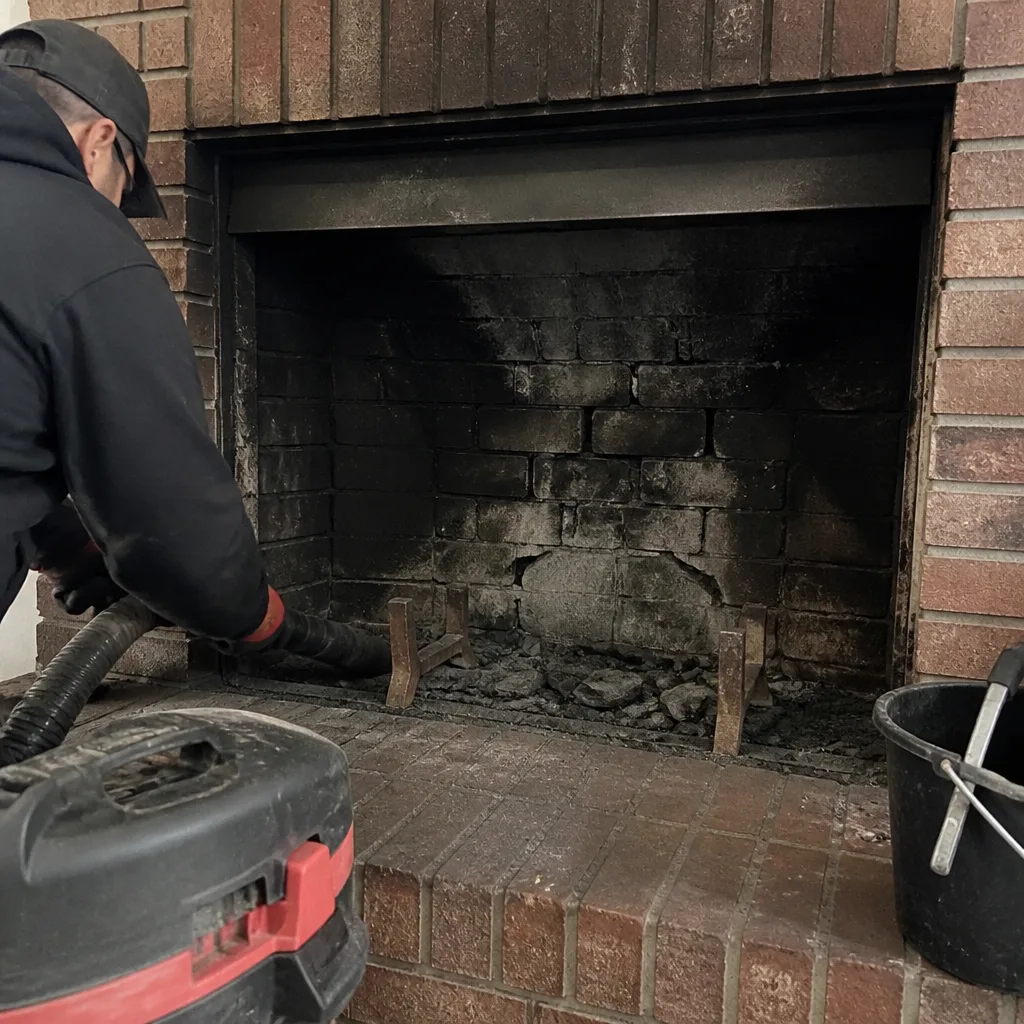
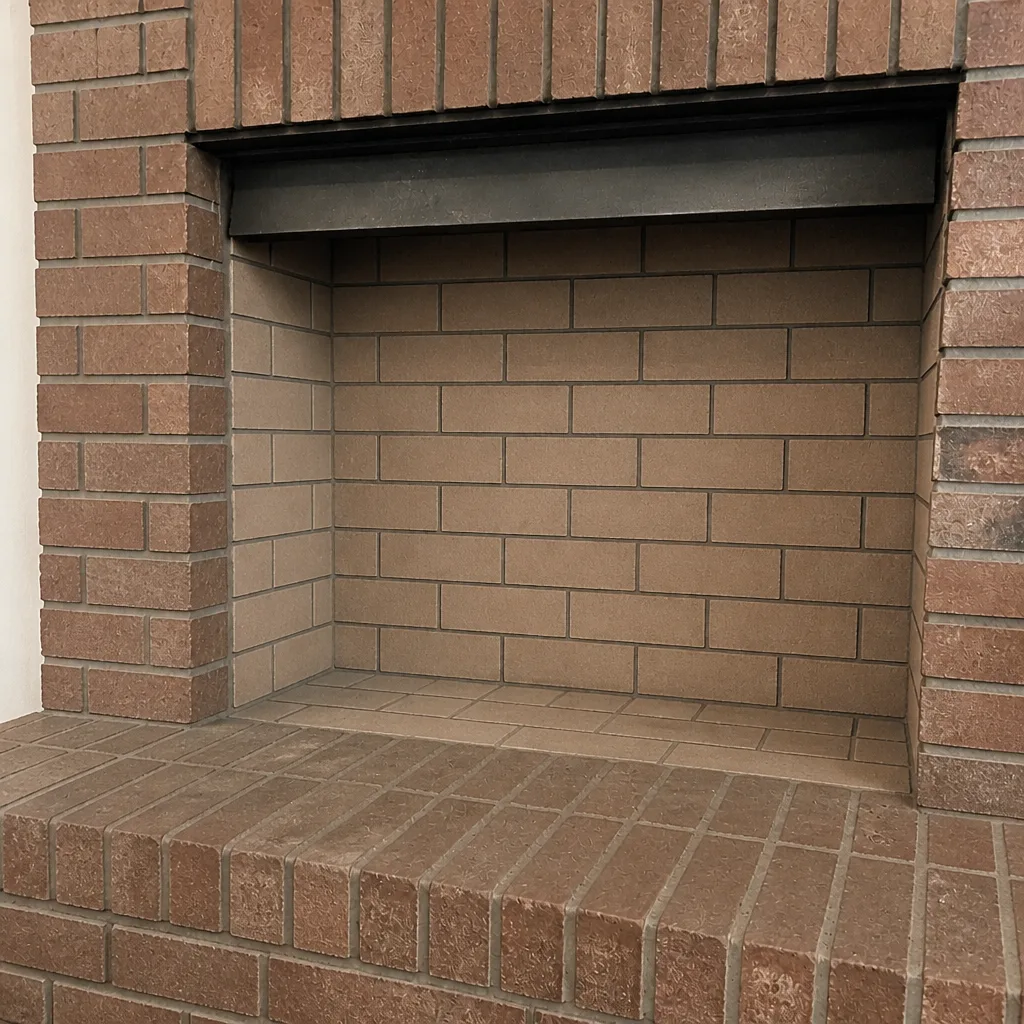
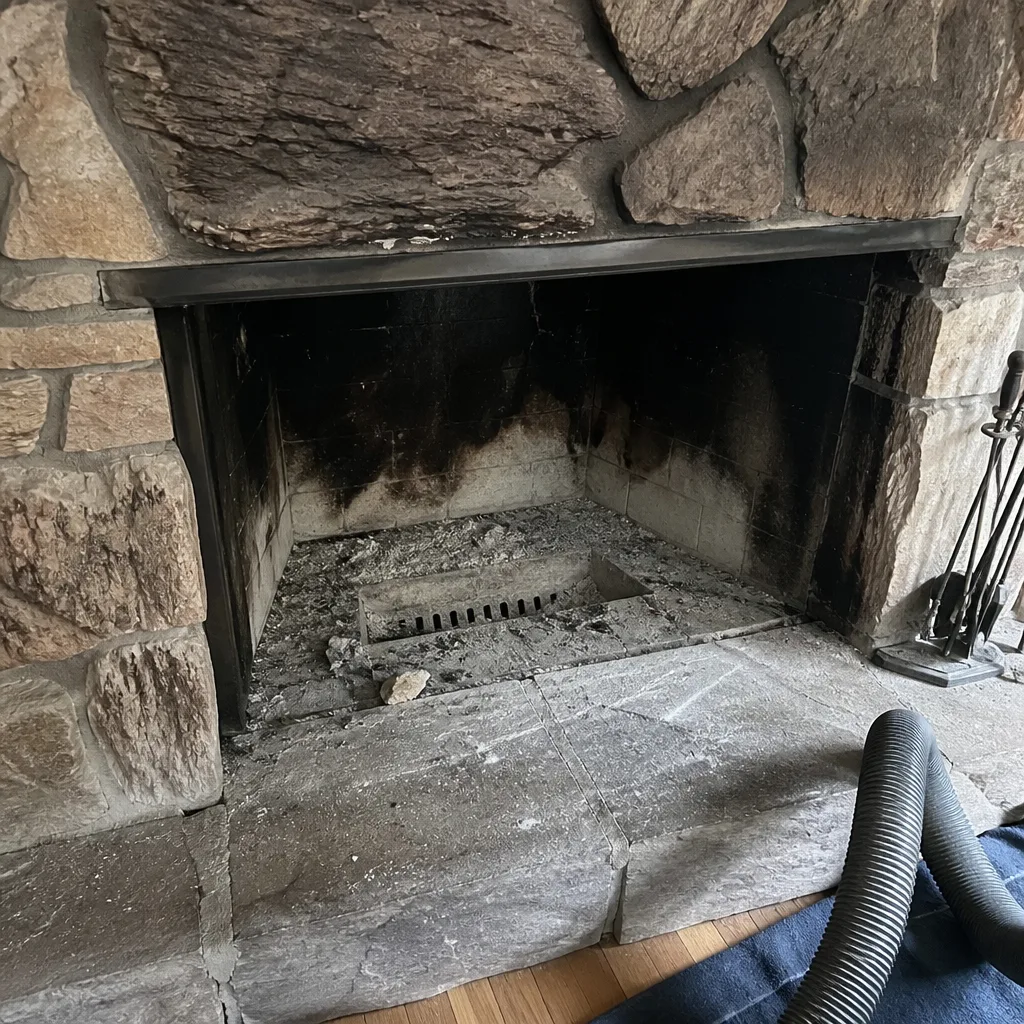
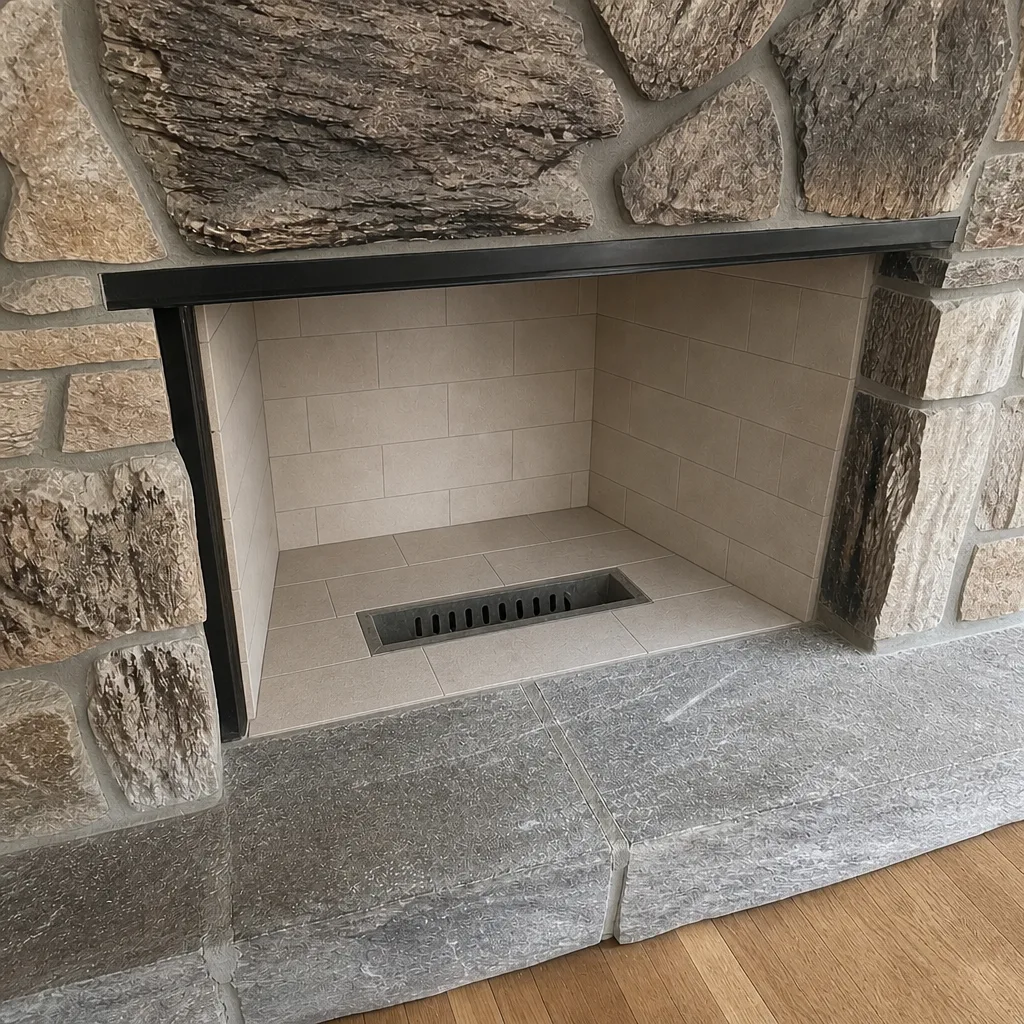
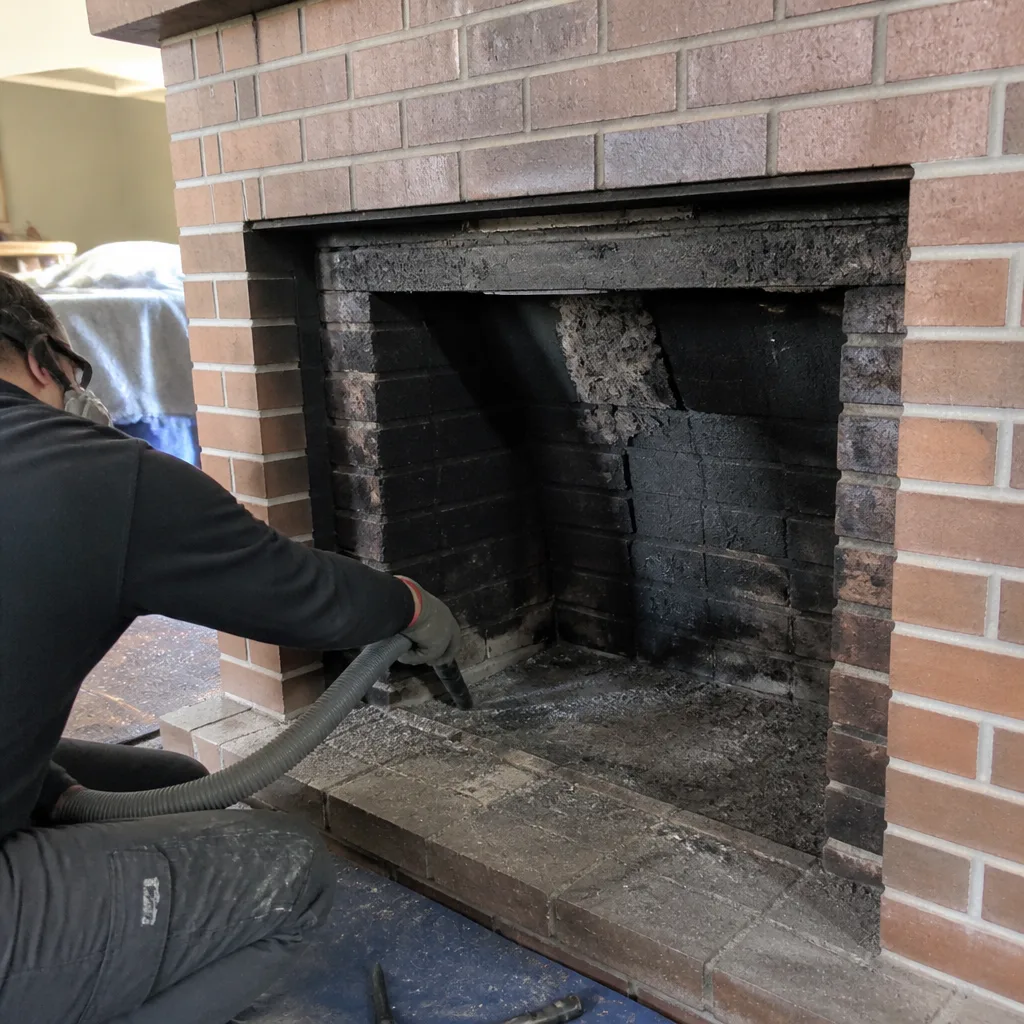
See the difference
 Before
 After
 Before
 After
 Before
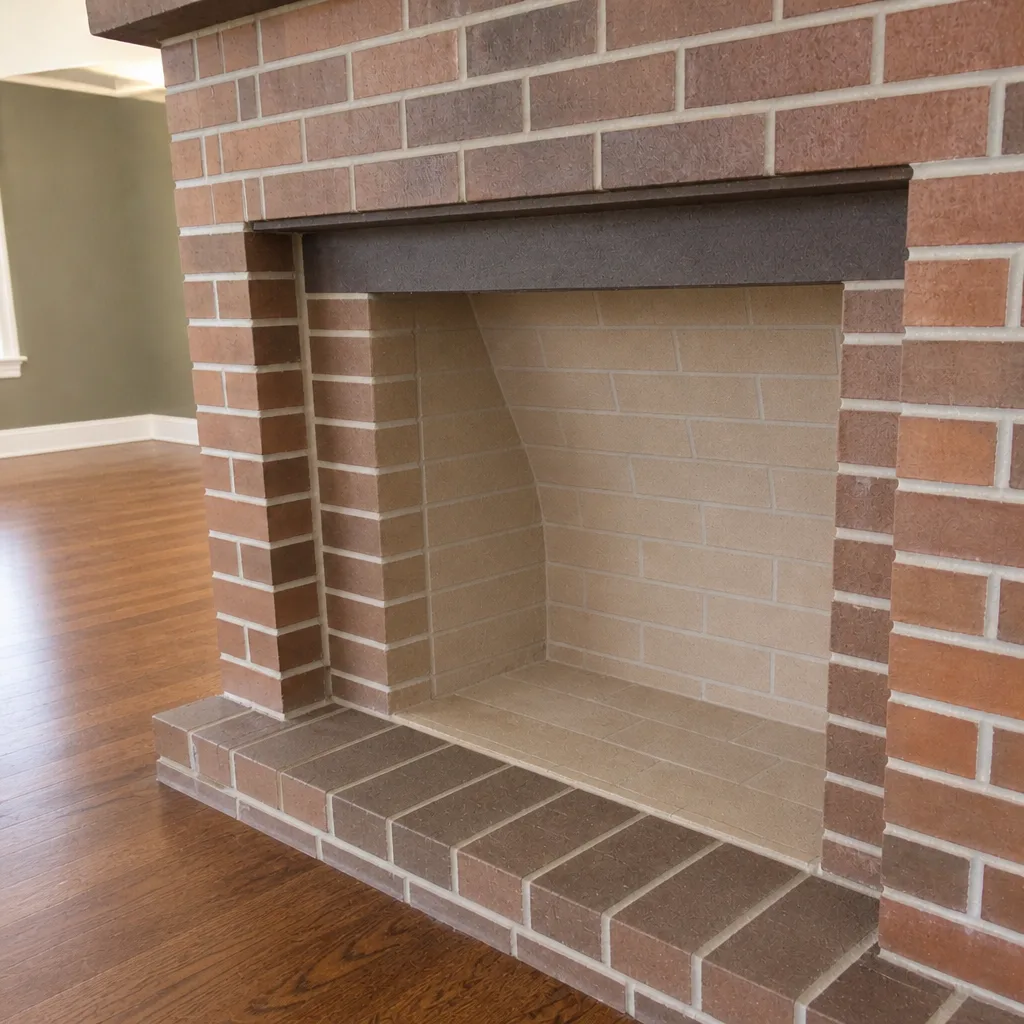 After
When to Call a Professional
Call if you see glazed creosote, if smoke rolls back on every fire, if there’s water in the firebox after rain, if the chimney structure looks off from the ground, or if it’s been more than a year since the last sweep. Call if you’ve had a chimney fire, even a small one, because liner damage from heat is not always visible from below. Call before burning season begins if your chimney hasn’t been inspected since last winter. Our technicians have up to 14 years of experience and can tell you what you’re looking at, what caused it, and what it actually takes to fix it. Federal Way Chimney Sweep offers free estimates in Federal Way. Call (855) 658-4385. We answer 24/7. Fast dispatch from 7am to 7pm, Sunday through Friday.
Frequently Asked Questions
A chimney needs cleaning when soot or stage 2 creosote is visible in the flue. It needs a bigger conversation when there’s glazed tar-like buildup, smoke rollback on every fire, visible damage in the firebox, or water entering at the top. The visual difference is clear enough that you can report it accurately. Call (855) 658-4385 and describe what you see. We answer 24/7. A call outside dispatch hours is booked into the next opening, Sunday through Friday, 7am to 7pm.
White powder on brick is efflorescence, which means moisture is moving through the masonry and evaporating at the surface, leaving salt deposits behind. It’s a water intrusion signal, not a combustion problem. The next step is finding where the water is coming from. Most commonly that’s a cracked crown, a missing or damaged cap, or deteriorated mortar joints. A chimney inspection in Federal Way that covers the top of the chimney will find the source.
Your house may be under negative pressure. A bathroom fan, kitchen exhaust, or clothes dryer pushes air out; replacement air gets pulled in wherever it can, sometimes down your chimney. The result is smoke backing into the room. Cracking a window near the fireplace will confirm the pattern; if the draft improves, pressure is the factor.
No. A persistent smoky smell when there’s no fire usually means deposits in the flue are absorbing moisture and off-gassing, often during humid weather. It’s a sign that buildup has reached a level that warrants a cleaning. In Federal Way, this symptom is common in fall and winter when humidity is highest. A sweep will both clear the deposits and let a technician look at the flue condition.
No. Even limited use accumulates creosote and soot, and moisture in the flue during colder months makes the condition worse. An annual sweep and inspection is what identifies changes in the flue before they get expensive. The risk of skipping is measured in the repair, not the cleaning.
That’s stage 3 creosote, the most combustible stage. It means stop burning immediately and have the flue cleaned professionally. Don’t try to remove it yourself. Mechanical removal of glazed creosote without the right equipment can damage the flue liner. A sweep will establish what the flue looks like afterward and whether the liner is intact.
The Bottom Line
Every warning sign your chimney produces has a mechanical cause. White staining is water, not fire. Persistent smoke smell is often pressure, not blockage. Glazed creosote is a stop-now sign, while light soot and exterior staining usually mean schedule an appointment. The practical test is whether the sign affects combustion in real time and whether it involves glazed buildup, visible damage, or smoke rollback on every fire. If the symptom only appears when the bathroom fan runs or after rain, the fix is often simple. Either way, the point is to understand what you’re seeing before you decide how urgent it is. That knowledge is worth having before the next burn season. Call us to schedule an inspection, and you’ll have the camera photo record and the technician’s explanation to make the decision with facts. Federal Way Chimney Sweep is the right place to start with an inspection that covers the whole chimney from firebox to crown. Call (855) 658-4385 for a free estimate. We answer 24/7. Fast dispatch from 7am to 7pm, Sunday through Friday.
Written by the team at Federal Way Chimney Sweep.