
Last updated November 24, 2026
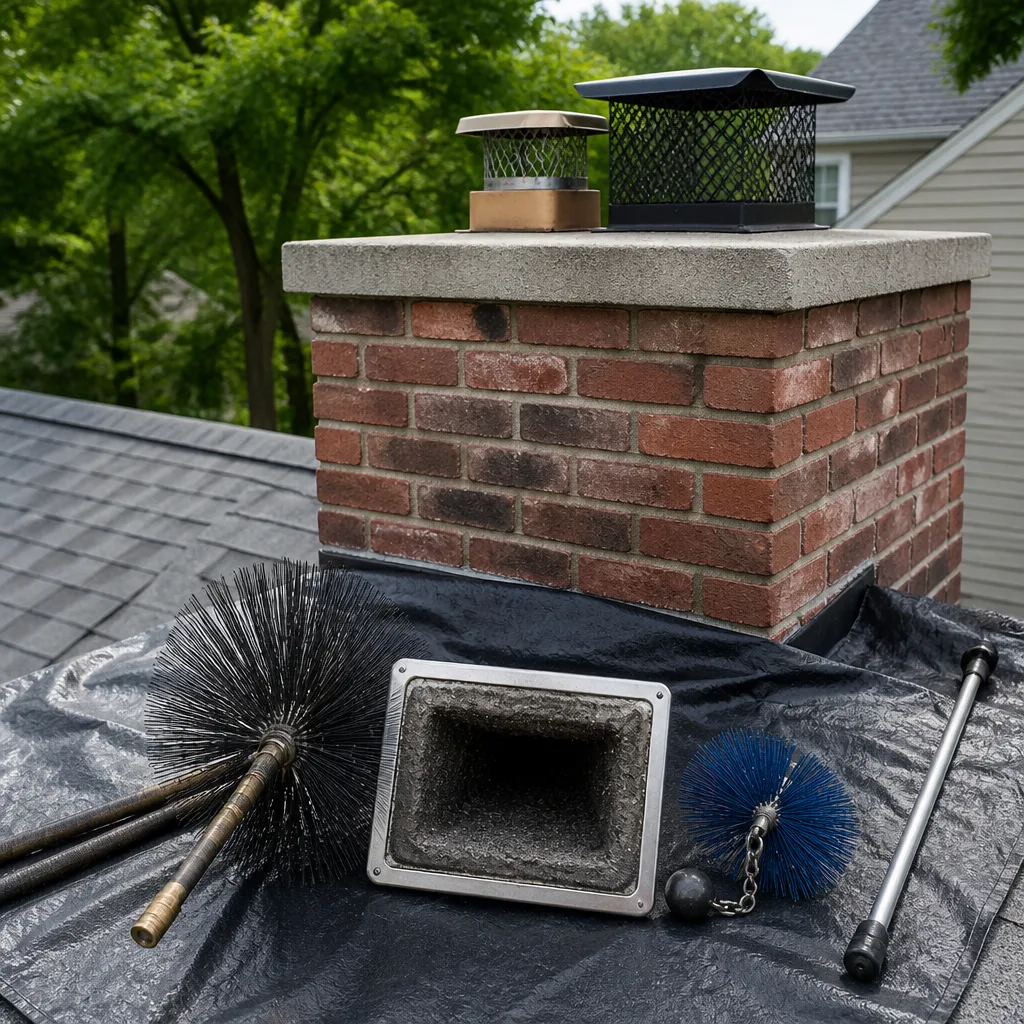 Sweep & inspection
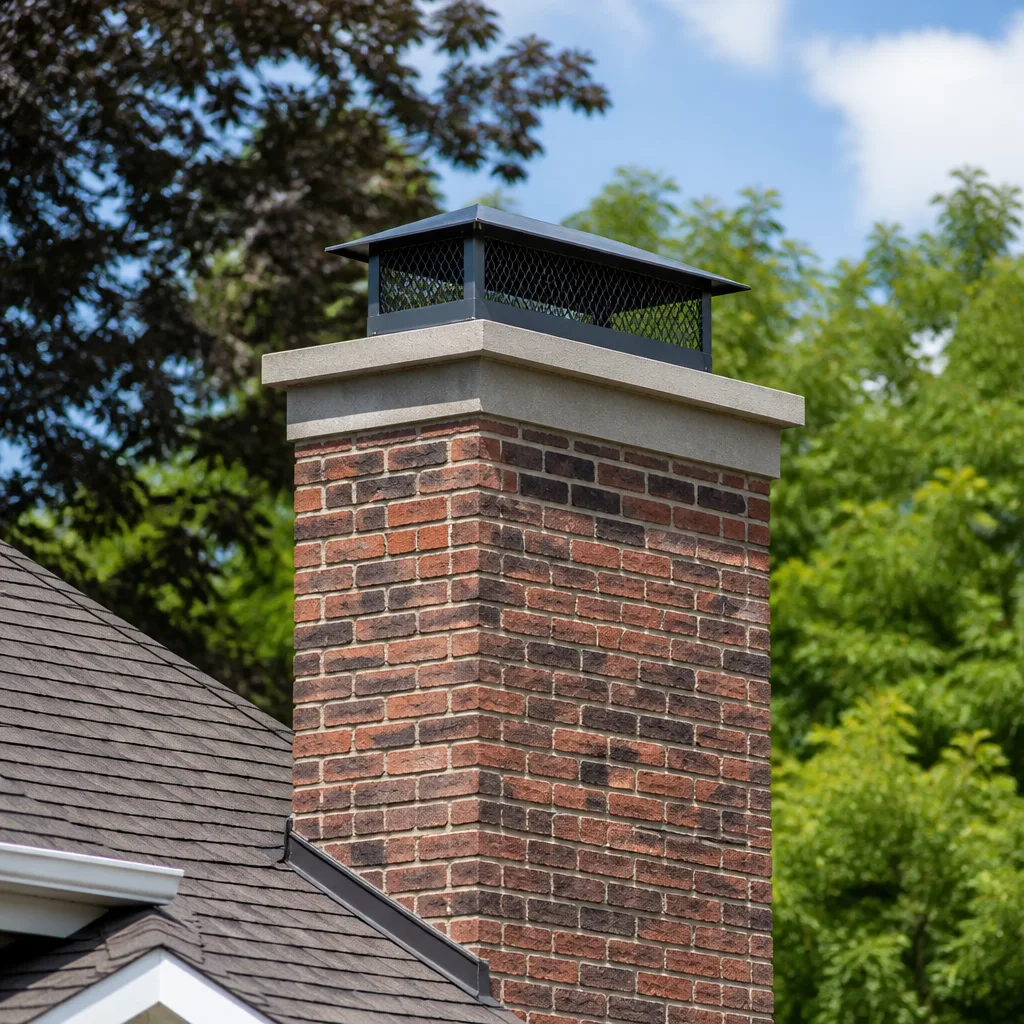 Caps & crowns
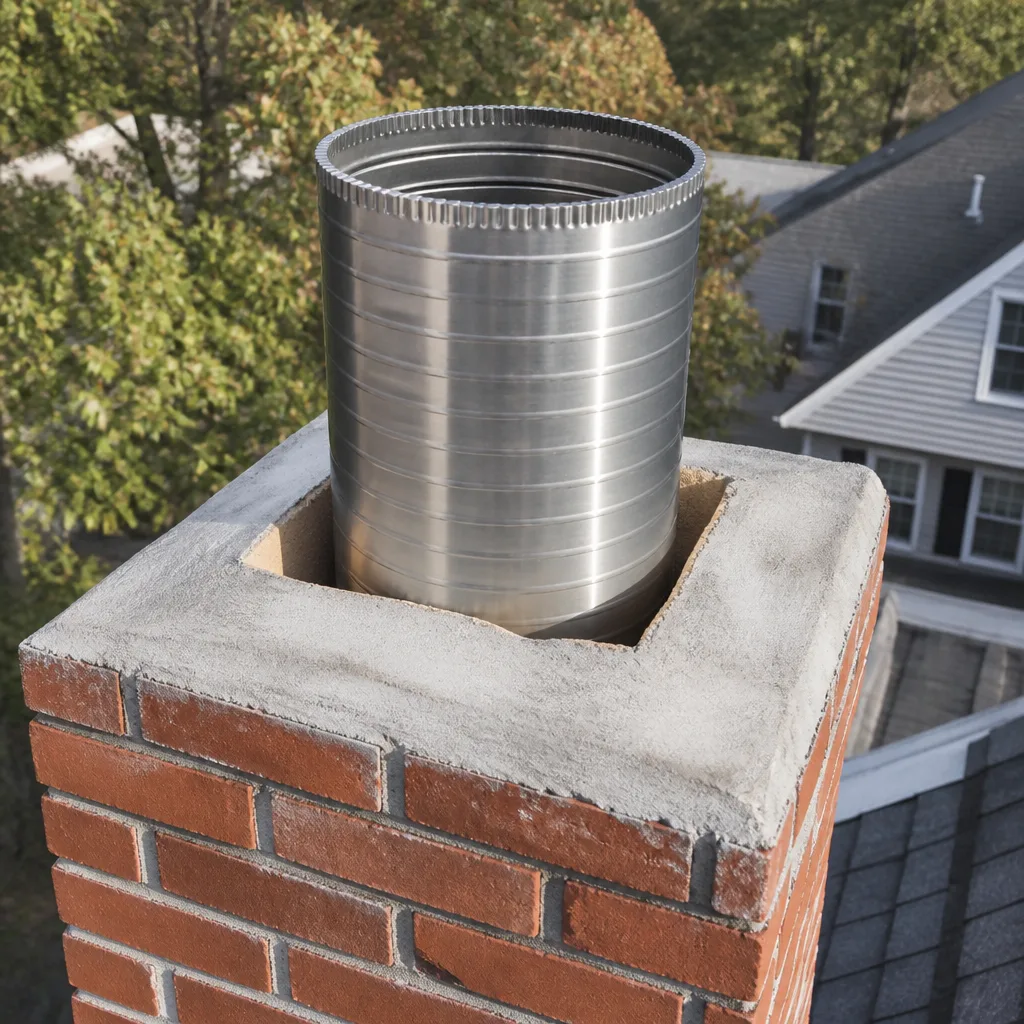 Flue relining
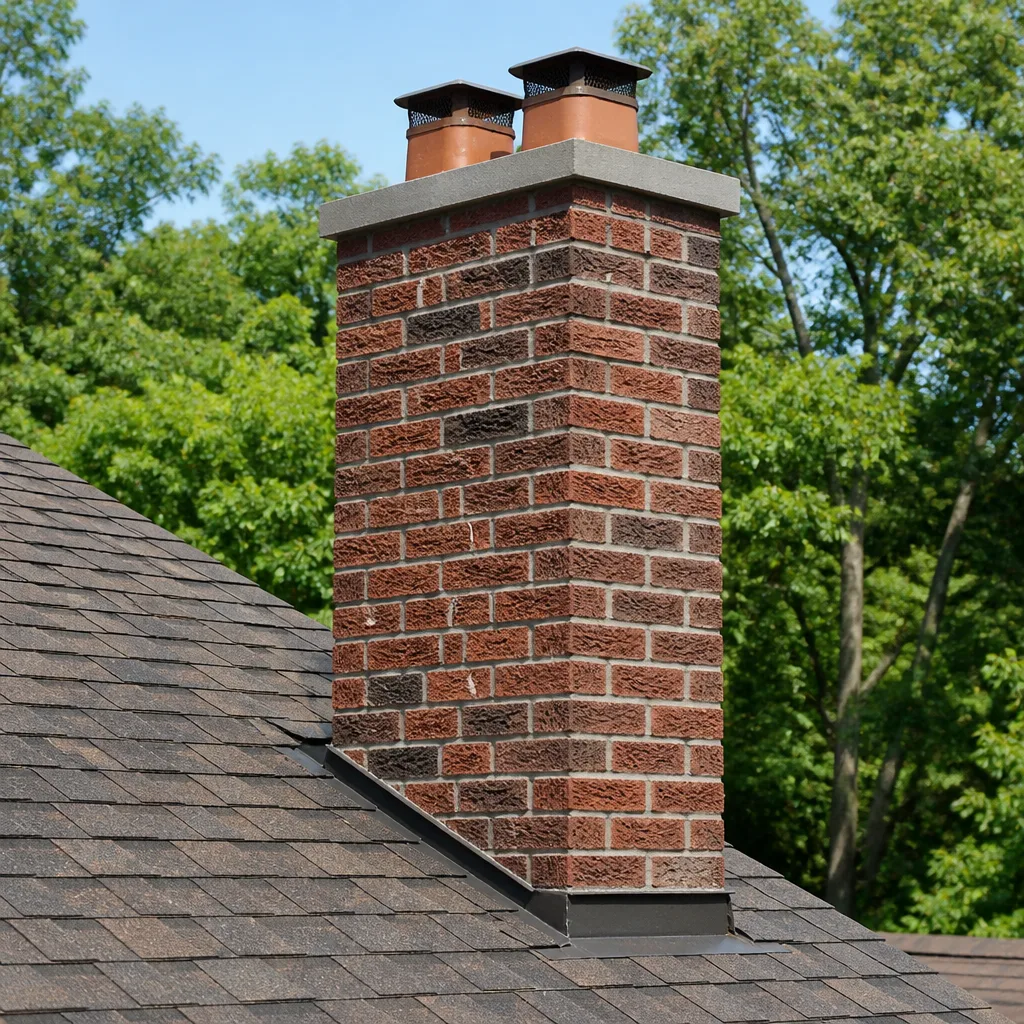 Masonry repair
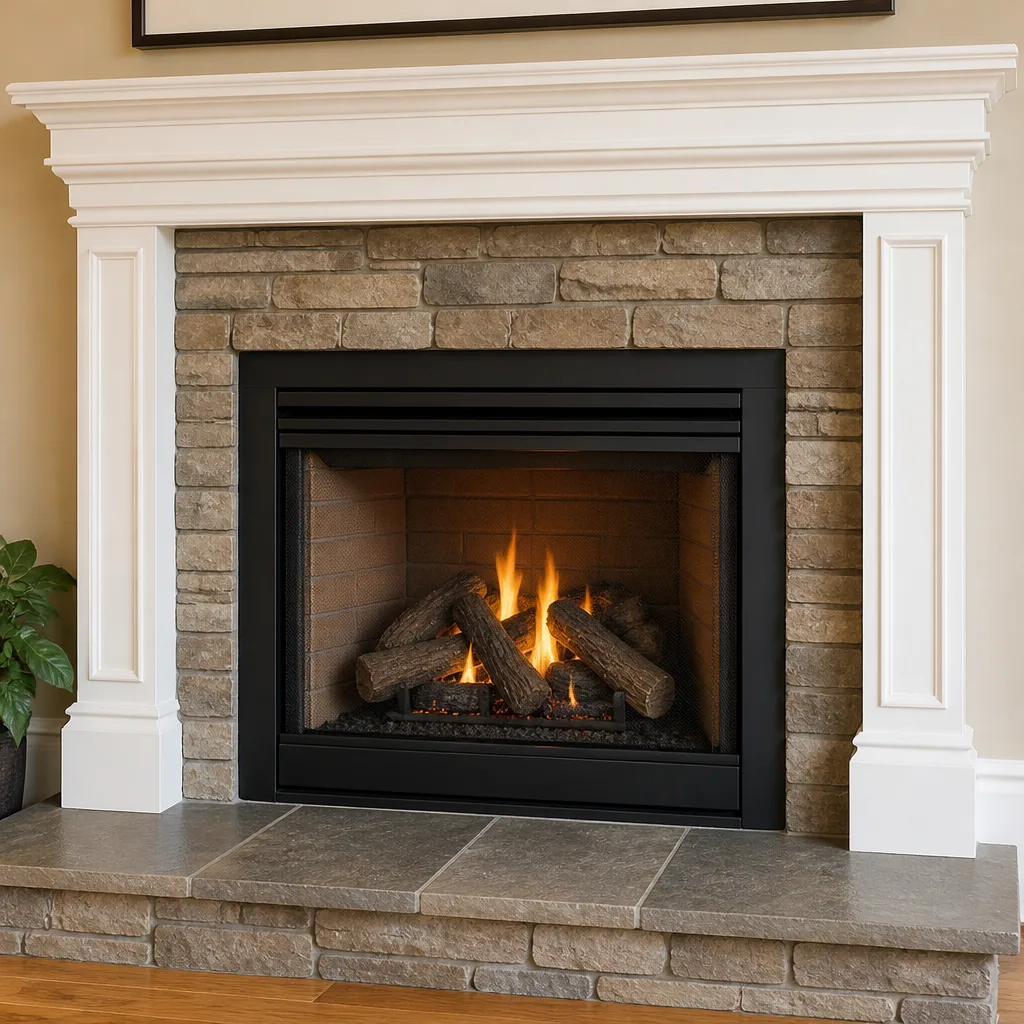 Gas fireplace service
Level 1 sweep and inspection to the NFPA 211 annual standard - flue, crown, cap, and flashing checked and photographed
Chimney sweep logs do not sweep chimneys. They loosen some creosote - which then falls where a brush and vacuum still have to collect it.
Chimney Cleaning Cost Breakdown: The Federal Way Homeowner’s Reference for 2026
A $79 chimney sweep quote and a $299 quote can represent either a scam and a fair price, or a fair price and an overcharge. You can’t tell which is which without knowing what each line item actually costs to perform. The number on the invoice is the least informative thing on it. What matters is what’s bundled inside that number, what’s been quietly left out, and what the contractor plans to sell you once they’re already on the roof. Across Federal Way, chimney companies package their services differently, so comparing two quotes side by side often feels like comparing a hotel rate to a rental car bill. This guide breaks the pricing into its real components, with 2026 figures for each, so you can read a quote and know what you’re actually paying for.
Quick Answer
A routine chimney sweep in Federal Way typically runs $180 to $320 for a standard masonry fireplace and $150 to $260 for a factory-built prefab unit. A full appointment that combines sweeping, a camera inspection, and a level-two safety check typically lands between $280 and $480 all in. The number that swings the widest is not the cleaning itself; it’s whatever the inspection finds, which is why the inspection, not the sweep, is the part of the quote you should look at most closely.
Styles & brands we work with
- Sweep & inspection
- Caps & crowns
- Flue relining
- Masonry repair
- Gas fireplace service
Table of Contents
- What Are the Actual Cost Components of a Chimney Cleaning?
- Itemized 2026 Cost Ranges for Federal Way
- How Chimney Type and Flue Height Change the Price
- Which Add-Ons Are Worth Paying For and Which Are Upsells
- How to Structure a Multi-Service Appointment
- What “Free Inspection With Cleaning” Actually Means
- How to Read a Chimney Quote Line by Line
- Common Mistakes to Avoid
What Are the Actual Cost Components of a Chimney Cleaning?
Every chimney cleaning quote is really a stack of smaller jobs added together: access, labor, equipment, disposal, and inspection. When a contractor quotes a single number, they’ve either bundled all of these into one price or left some of them out to appear cheaper. The omission is the trick. A sweep that only clears the firebox and the bottom of the flue, without running a brush the full height of the chimney, is a much cheaper job to perform and a much less useful one to pay for.
The components that make up a real chimney cleaning in Federal Way break down like this:
- Setup and protection. Drop cloths, a shop vacuum with a HEPA filter, sealing the firebox opening so soot doesn’t enter the room. This is the invisible 20 minutes that separates a professional sweep from a person with a brush. It’s the reason a real sweep costs more than the kid down the street.
- Sweeping labor. The cost of actually running a brush or rotary tool the length of the flue. This scales with flue height and with how much creosote has built up. A lightly used chimney takes far less labor than one that hasn’t been swept in years, and that labor difference is the biggest single variable in the base price.
- Equipment and consumables. Brushes, rods, vacuum filters, and the rotary tooling used for heavier glazed creosote. This is bundled into most quotes but worth knowing about, because a quote that’s suspiciously cheap is often achieving it by skipping the rotary equipment for heavier buildup.
- Debris removal and disposal. Everything swept out has to be bagged, hauled, and disposed of. This is a real cost and it’s usually baked into the sweep price.
- Inspection. Either a visual check (basic) or a camera-down diagnostic with a written or photographed report (more thorough). Some quotes include it; many don’t. It’s the component most often bundled out of a “cheap” sweep.
When you understand this stack, a quote stops being a number and becomes a list of what the contractor has agreed to do. The cheapest quotes are almost always achieving their price by dropping one or two components from the stack, most often the inspection or the full-length sweep. Whether that matters depends on what you actually need, which is what the next section covers.
Itemized 2026 Cost Ranges for Federal Way
Here’s the itemization that most quotes in Federal Way never show you. These are typical 2026 ranges for the Federal Way market, not the price we’ll charge on a specific day. Every job is different, and the written estimate from the technician is what actually sets your price. Use these as a benchmark when you read a quote, so you can spot a line item that’s off by a wide margin in either direction.
| Service | Typical 2026 Range (Federal Way) | Notes |
|---|---|---|
| Standard chimney sweep, masonry fireplace | $180 to $320 | Assumes normal soot and creosote buildup; heavier buildup moves toward the top of the range |
| Standard chimney sweep, prefab metal chimney | $150 to $260 | Factory-built units are usually faster to sweep; the flue is a straight, regular shape |
| Wood stove or insert sweep | $200 to $340 | Baffles and interior components have to come out and go back in, which adds labor |
| Camera inspection (with photo or video report) | $120 to $240 | Camera down the flue, documenting liner condition, joints, and any cracks |
| Combined sweep + inspection appointment | $280 to $480 | Most Federal Way homeowners end up here; the two services are cheaper together than apart |
| Chimney cap replacement | $180 to $400 | Depends on cap style and chimney size; single-flue caps run lower than multi-flue |
| Damper repair or replacement | $220 to $550 | Simple damper repair on the lower end; full damper replacement at the top |
| HeatShield flue liner resurfacing | $1,200 to $2,800 | Restores a damaged liner without replacing it; a fraction of the cost of full liner replacement |
| DuraFlex flexible liner installation | $2,400 to $6,500 | For chimneys where resurfacing isn’t an option; the retrofit alternative to masonry rebuild |
| Crown repair or rebuild | $350 to $1,400 | Minor crack sealing at the low end; full crown rebuild at the top |
Two things stand out when you look at this table as a whole. The first is that cleaning services cluster in the hundreds, and structural repairs cluster in the thousands. The second is that the gap between a sweep and a resurfacing job is roughly a factor of five, which is why inspection findings matter so much. If you’re only being quoted for a sweep, you’re only being quoted for the smallest piece of the puzzle. The condition of the liner and the crown is where the real money lives, and neither shows up in a base sweep price.
How Chimney Type and Flue Height Change the Price
The single biggest factor in what a Federal Way homeowner pays for a sweep, beyond the amount of buildup, is what kind of chimney they have. A factory-built metal chimney and a masonry chimney are different animals, and the labor cost difference between them is real.
Prefab metal chimneys are constructed in sections, with a steel flue and a metal firebox inside a framed chase. They’re common in Federal Way homes built from roughly the 1980s onward. Sweeping one is a straighter, simpler job because the flue is a regular shape and the interior is designed for brush access. Cap and chase cover work is also usually simpler because the components bolt together. That’s why prefab sweeps tend to sit at the lower end of the range.
Masonry chimneys are built from brick and mortar with a clay flue tile liner inside. They’re heavier, more irregular, and the flue is often taller. Three factors push the labor up on a masonry chimney:
- Flue height. A chimney on a two-story Federal Way home has significantly more flue to brush than a single-story ranch. The extra 15 feet of rod work is real labor time, and the sweep price reflects it.
- Flue shape. Clay tile liners are rectangular or square inside, which means the brush has to reach corners and edges that a round flue doesn’t have. More passes, more time, more cost.
- Buildup severity. Masonry flues tend to collect glazed creosote on the cooler upper sections, and glazed creosote requires stiff rotary tooling or chemical treatment to remove. A sweep that only clears the loose soot at the bottom will leave the glazed layer in place, and the next inspection will catch the difference.
How do you know which type you have before you call for quotes? Two easy checks. First, look up your chimney from the outside. A masonry chimney has visible brick or stone; a prefab chimney usually has a metal cap and a chase cover, often with siding on the exterior. Second, open the fireplace and look at the firebox interior. A masonry firebox is brick; a prefab firebox is usually metal with a refractory panel inside. Tell the person on the phone which one you have before they quote. A quote given without that information is a guess, and it’s typically a guess that lands low so the call goes through.
While you’re up on the roof, look at the crown. The crown is the concrete or mortar cap on top of a masonry chimney that sheds water away from the flue. A cracked crown lets water into the brick and the mortar, and that water is behind most of the structural repairs we see. A missing or damaged cap is the same story at the top of the flue. Cap and crown work are two of the cheapest repairs we perform, and they prevent the most expensive ones. If your chimney doesn’t have a cap, or the crown is cracked, budget for those before the liner becomes a problem.
Which Add-Ons Are Worth Paying For and Which Are Upsells
Not every add-on is a scam, and not every add-on is necessary for your specific house. The line between the two comes down to what kind of chimney you have and how you use it. Here’s the honest version, the version most Federal Way homeowners won’t hear from a contractor whose quote depends on upselling.
Worth paying for in most cases:
- Camera inspection. The camera is the only way to know what shape the liner is in without tearing out the chimney. If your quote includes a camera inspection with a report you can look at, that’s money well spent, because it turns the quote into a diagnosis.
- Chimney cap installation. A proper stainless or copper cap keeps rain, birds, and squirrels out of the flue and is one of the cheapest forms of long-term protection. The material cost is modest and the protective value is significant. Brands like Famco and Copperfield make caps specifically designed for this purpose.
- Crown repair when the crown is cracked. Water damage starts at the top. If the crown is failing, resurfacing or rebuilding it is the cheapest structural fix in the chimney system. Catching it early prevents the masonry damage that costs far more to repair later.
- HeatShield liner resurfacing when the liner is compromised but structurally intact. This is where resurfacing beats replacement on cost. A HeatShield ceramic liner coating can restore a cracked or spalling flue in many cases without pulling the old liner. It’s not appropriate for every flue condition, but when it is, it saves thousands.
Often upsold, often unnecessary for average residential use:
- Chemical creosote treatments on a lightly used fireplace. If your chimney is swept annually and the buildup is light, chemical treatment is often unnecessary. It becomes appropriate when there’s heavy glazed creosote that mechanical sweeping can’t reach.
- Full liner replacement when resurfacing would work. A reputable contractor will offer resurfacing first if it’s viable. Full DuraFlex liner installation is the right answer when the old liner is beyond repair or when the flue is improperly sized, but it’s not the first choice when less expensive restoration will do the job.
- Whole-chimney rebuilds when the problem is at the crown. Sometimes the answer is a rebuild. Often it’s a crown repair and a cap, at a fraction of the cost. Get a second opinion if the first quote jumps straight to rebuild.
- Relining a chimney you don’t burn in. If the fireplace hasn’t been used in years and there are no plans to use it, spending thousands on liner work is hard to justify. Seal it and revisit if you decide to use it again.
A well-run company will tell you when work can wait, and will show you the camera footage before recommending anything. That’s the standard we hold ourselves to: we document what we find and explain your options before any work begins.
How to Structure a Multi-Service Appointment
Bundling services into one appointment saves real money over booking them separately, but only if the bundle is structured correctly. A bundle that doubles the scope unnecessarily is not a bundle; it’s an upsell with a nicer name. The right structure depends on what the inspection finds during the sweep. Here’s how a well-organized Federal Way appointment typically flows.
- Book the sweep and inspection together. The inspection can only be thorough after the flue is clean, because creosote hides cracks. Booking them as one appointment means the technician sweeps, then immediately runs the camera. The combined price is lower than two separate visits because the setup is done once.
- Ask for the camera report before any repair is discussed. The photo or video should show you the liner from the firebox to the top of the flue. If the technician can’t or won’t show you the camera footage, don’t authorize repair work. Nothing gets recommended without evidence you can see for yourself.
- Group related repairs into the same visit. A cap and crown repair belong in the same appointment as the sweep because the technician is already on the roof. Splitting them into separate visits adds a second trip and a second setup.
- Ask whether HeatShield resurfacing is an option before committing to liner replacement. If the liner is cracked or spalling but structurally sound, resurfacing may be appropriate, and it costs a fraction of a full liner. A contractor who only offers replacement may not have resurfacing available, which is worth knowing before you sign.
- Get the total in writing, itemized. A bundle should still show each service and its price, not just a single lump sum. That’s how you compare it fairly against another quote.
The advantage of using a company that services the whole chimney system is that the diagnosis and the repair happen in one place. There’s no handoff to a second contractor after the inspection, no repeat visit, and no gap where findings get lost. From the firebox to the crown, we service the entire chimney system, and that means the inspection findings get addressed in the same relationship, by the same team, without a subcontractor in between.
What “Free Inspection With Cleaning” Actually Means
“Free inspection with cleaning” is one of the most common phrases on a chimney quote, and it can mean two very different things. In one case it means a real camera-down inspection that documents the liner condition with photos or video and a written report. In the other it means a visual glance from the roof and a quick “you need a new liner” recommendation with no evidence behind it. The two are not the same service, and the difference is worth understanding before you book.
A real inspection goes beyond looking into the firebox. Here’s what to look for when a company says “free inspection”:
- Camera access to the flue. Does the technician run a camera down the full flue, or does the inspection stop at the top? A camera-down inspection is the standard for understanding liner condition. A visual-only inspection from the crown cannot see the lower flue or the smoke chamber.
- Photos or video you can keep. A real inspection produces documentation. If the technician finds a cracked liner, they should be able to show you the crack on camera. If your “free inspection” didn’t come with photos, it wasn’t a real diagnostic.
- A clear distinction between what needs repair now and what can wait. A good inspection report tells you what’s urgent, what’s routine, and what to monitor. A report that finds everything urgent at the top of the price list is a warning sign, not a diagnostic.
- Repair work priced separately from the sweep. Free inspection doesn’t mean free repair. It means the diagnostic is included in the sweep price. Repair work should still be quoted separately and itemized.
In our experience, the honest version of “free inspection” is this: the technician sweeps the chimney, runs the camera, documents what they find, and gives you a written report with the findings and the recommended next steps before any repair is discussed. If the liner is fine, you get that in writing. If it’s not, you see the footage that shows why, and you decide whether to fix it now or plan it for later. If the answer is “this can safely wait a year,” that’s a valid finding and it should be written down.
How to Read a Chimney Quote Line by Line
Once you know the components, reading a chimney quote gets easier. Two quotes for the same apparent job can differ by hundreds of dollars, and the difference is almost always in three places: what’s included, what’s excluded, and what the contractor plans to find. Here’s how to compare them fairly.
- Check whether the sweep covers the full flue or just the firebox and the bottom. A sweep that only clears the bottom is much cheaper to perform and much less useful. Ask the contractor directly: does the sweep run a brush from the top of the flue or only from the firebox up?
- Check whether the camera inspection is included, and whether you get a written report. This is the biggest differentiator between an honest quote and a cheap one. A quote without a camera inspection should say so, and the price should reflect it.
- Check whether the quote is a firm price or a range with “additional charges may apply” language. A firm written estimate is the standard. A quote that leaves the door open to additional charges after the technician is on-site is a quote you can’t compare to anything.
- Check how much glazed creosote labor is included. The base sweep price usually covers light-to-moderate soot. Heavy glazed creosote may be a separate line item. That’s reasonable, but it should be disclosed up front, not revealed after the sweep is underway.
- Check whether the quote includes cap and crown inspection, and any findings are priced separately. A thorough appointment includes a look at the crown and the cap even if no repair is being quoted. A quote that never mentions them may be skipping the exterior check.
- Ask what happens if the sweep finds something the quote didn’t cover. The answer should be a clear description of how findings are documented and how additional work is priced before it’s performed, never after.
- Ask whether repair work is performed in-house or referred out. A single-provider relationship means the findings get addressed without a gap between the sweep and the repair. A referral adds a second contractor to coordinate and often a second quote to compare.
Done this way, a chimney quote becomes a clear list of what’s included, what’s not, and what the contractor will be looking at. The cheapest number on the page is rarely the cheapest outcome, and the highest number rarely is either. The right number is the one that pays for a real sweep and a real inspection, with the rest of the repair work priced out of evidence rather than assumption.
Common Mistakes to Avoid
- Booking a sweep without asking whether the inspection includes a camera. A “free inspection” that’s only a visual glance from the roof cannot see the lower flue or the smoke chamber. Ask specifically whether a camera goes down the flue, and what documentation you’ll get back.
- Choosing the lowest quote on the assumption that the work is identical. In Federal Way, the base price varies so much between contractors because the scope varies just as much. Compare what’s included, not just the dollar number at the top.
- Authorizing repair work before you’ve seen the camera footage. A cracked liner, a failed crown, and a damaged smoke chamber all need to be visible before they’re paid for. If the technician can’t or won’t show you the evidence, hold off. Nothing gets recommended without evidence you can see for yourself.
- Replacing a liner when resurfacing would work. HeatShield ceramic resurfacing can restore many compromised clay tile liners without the cost of full replacement. A contractor who only quotes replacement may not offer it, so ask.
- Neglecting the crown until it fails. A hairline crack in the crown on top of a Federal Way chimney lets water in with every rainstorm, and water damage compounds over years. Repairing the crown while the crack is small costs a fraction of what rebuilding the chimney top costs after years of neglect.
- Skipping the annual sweep because the firebox looks clean. The firebox is only the bottom of the system. Creosote builds up inside the flue, above the damper, where you can’t see it. A clean-looking firebox tells you nothing about the condition of the flue above.
- Booking a photo online and accepting the price sight unseen. The estimate should be based on the chimney that’s actually on your roof, not the address at the top of a form. A price quoted without a look at the flue is a placeholder, not an estimate.
Chimney fires and carbon monoxide exposure are the two reasons the annual sweep and inspection matter, and they’re both tied to conditions that can’t be seen from the firebox. Creosote buildup in the flue, a cracked liner, a damaged flue joint: these are the failure points, and they’re the reason a real camera inspection earns its price. If your last sweep was years ago, or you’ve never had one, that’s the reason to book this autumn before the burning season. If the flue turns out to be in good shape, you’ll know that in writing. If it’s not, you’ll see why on the camera before you spend a dollar on repairs.
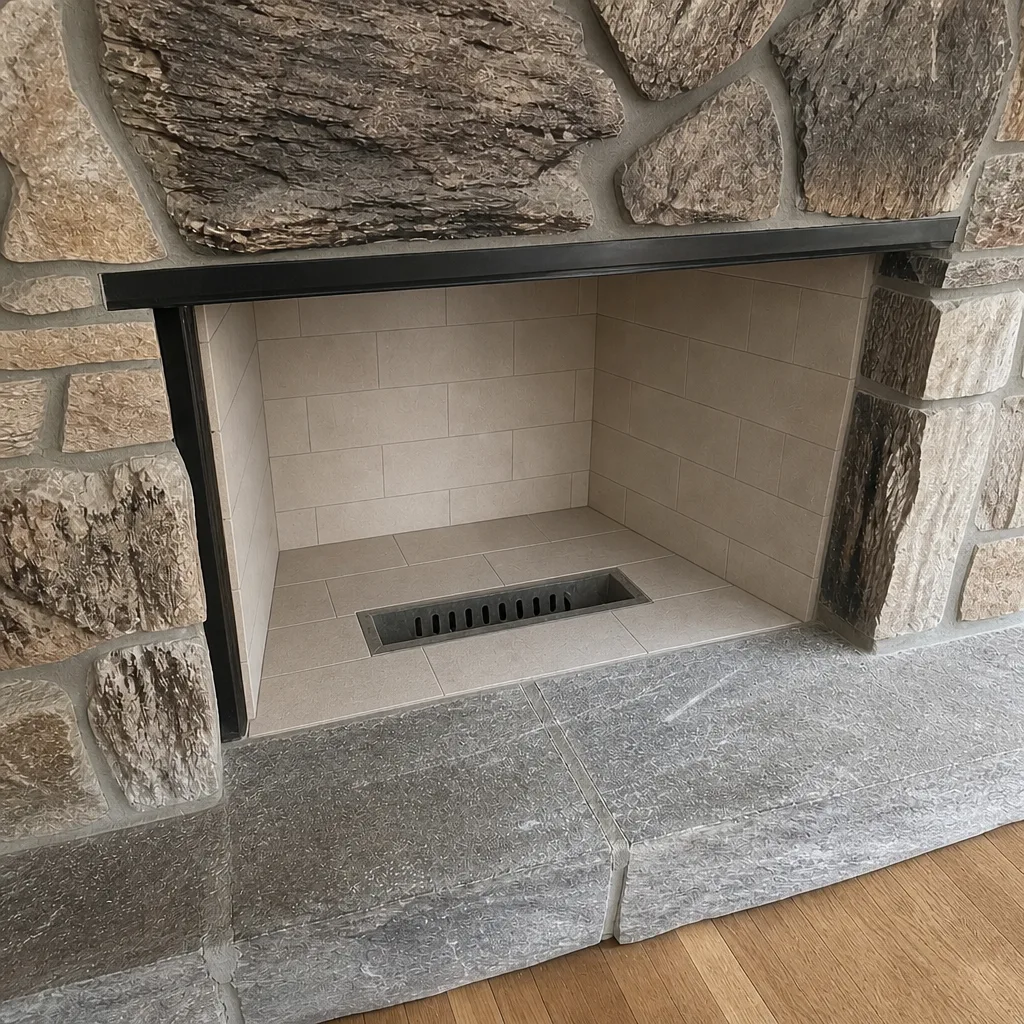
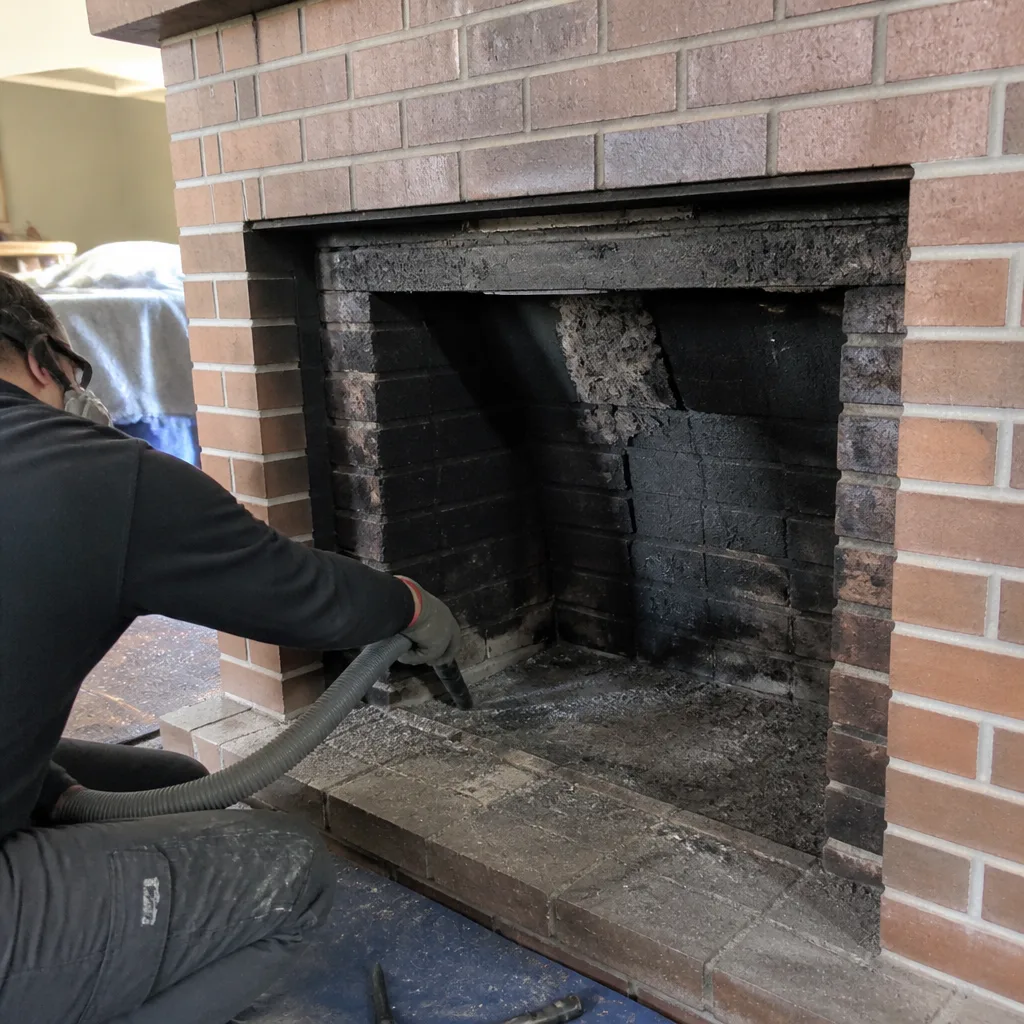
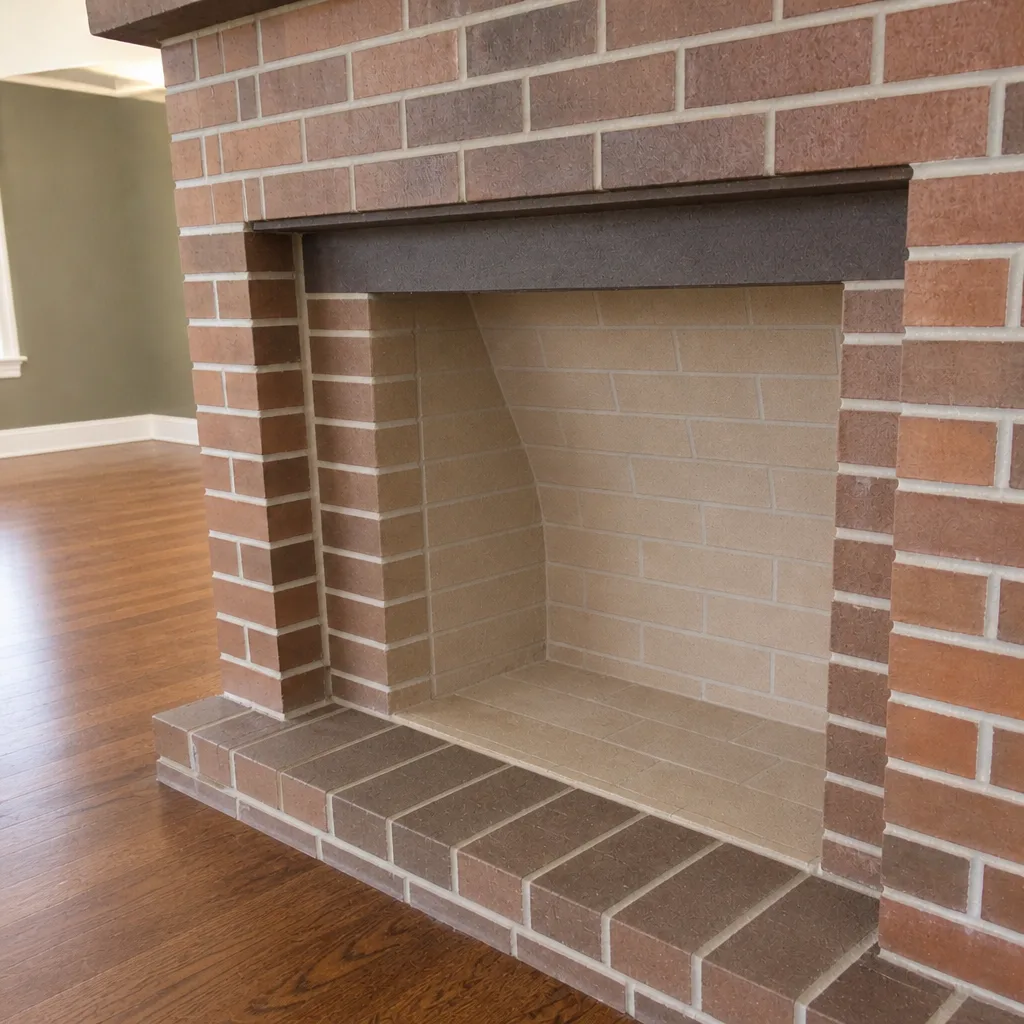
See the difference
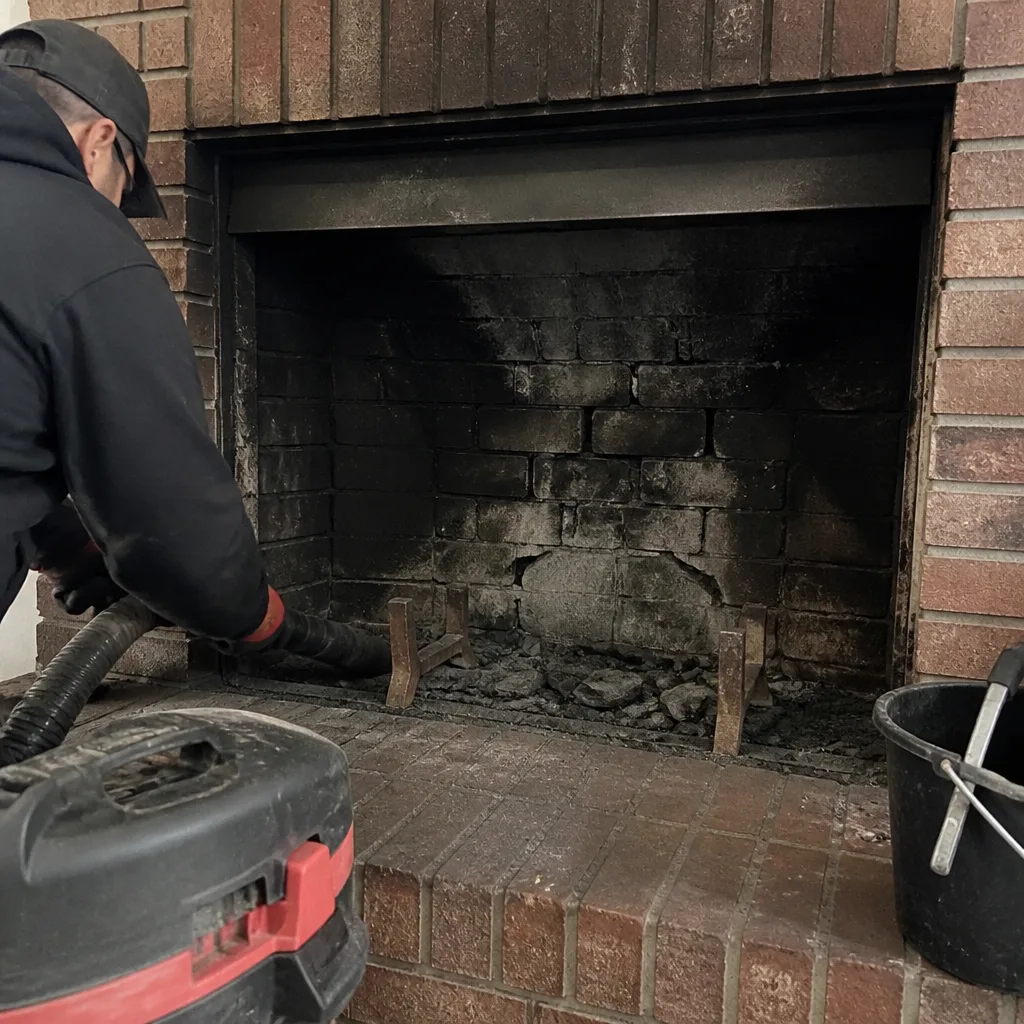 Before
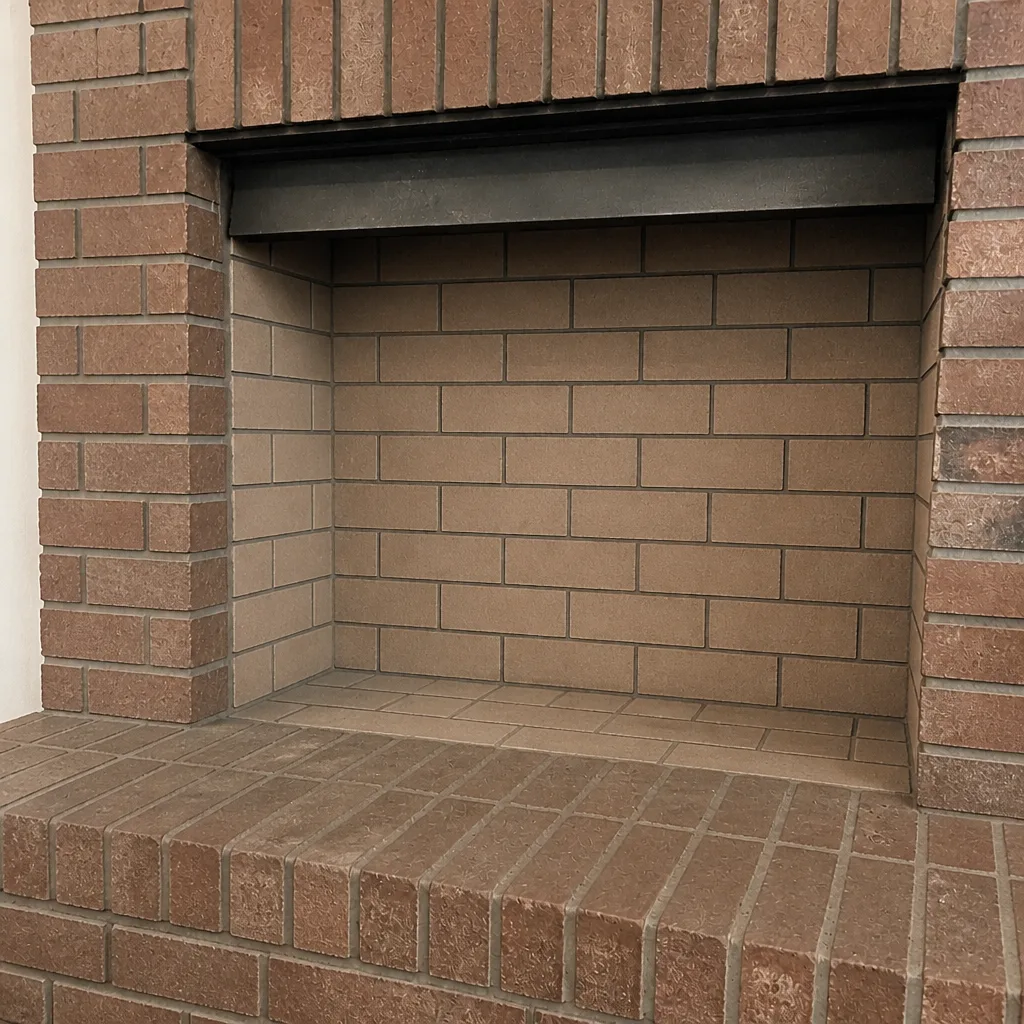 After
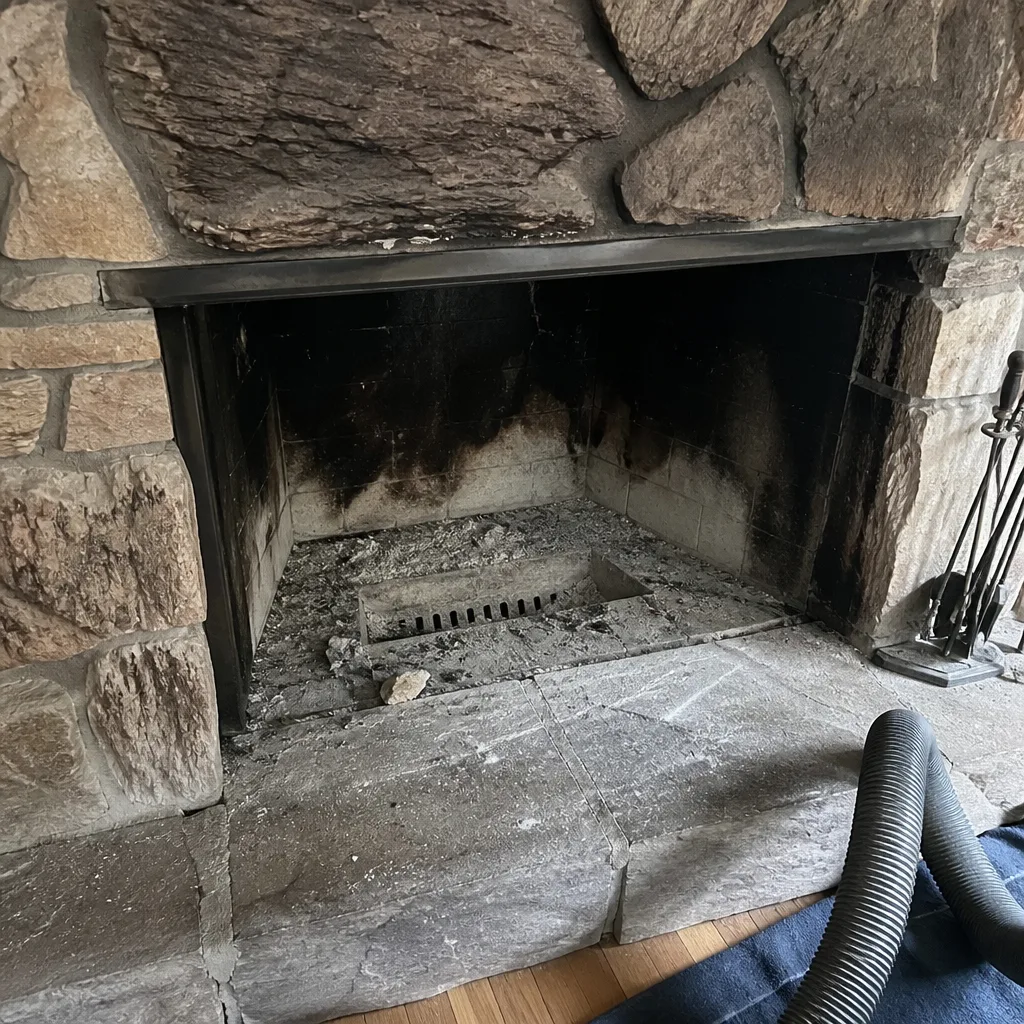 Before
 After
 Before
 After
When to Call a Professional
Most chimney work is not do-it-yourself work, and the reason is safety. Creosote removal requires tools and training, camera inspection requires equipment, and any repair on the flue above the damper requires working on the roof or reaching into a confined space where a fall or a severe burn is a real risk. If you smell smoke in the house when the fireplace is cold, if you see creosote streaks or a shine on the flue interior, if your chimney is missing a cap, if the crown is cracked, or if your last inspection flagged something and you haven’t addressed it, it’s time for a professional to look. The same goes for a smoky fireplace that should be drafting better, a damper that won’t open or close smoothly, or a chimney you’ve just moved into and don’t know the history of. Federal Way Chimney Sweep offers free estimates in Federal Way, and we answer 24/7 with fast dispatch from 7am to 7pm. Call (855) 658-4385 to book a sweep or an inspection.
Frequently Asked Questions
A standard chimney sweep in Federal Way typically runs $180 to $320 for a masonry fireplace and $150 to $260 for a factory-built prefab chimney. The exact price depends on flue height, how much creosote has built up, and whether the appointment includes a camera inspection. Call (855) 658-4385 for an exact quote; estimates are free.
Not necessarily. Many compromised clay tile liners can be restored with HeatShield ceramic resurfacing, which is significantly less expensive than full liner replacement. Whether resurfacing is appropriate depends on the condition of the existing liner and can only be determined after a camera inspection. Ask specifically whether resurfacing is an option before authorizing replacement work.
The general standard is once per year for a chimney you use regularly, and more often if you burn frequently or use unseasoned wood. Federal Way’s wet fall and winter mean chimneys sit idle for months and then get used heavily, which makes a pre-season sweep in early autumn the practical choice. A sweep that comes back clean is still worth having, because it confirms the flue is in good shape.
It depends on the company. In a real inspection, the technician runs a camera down the flue and gives you a written report with photos or video of what was found. A visual-only inspection that stops at the roof is not the same service and shouldn’t be priced as one. Ask before you book whether a camera goes down the flue and what documentation you’ll get.
The most common reasons are chimney type, flue height, and creosote severity. A two-story masonry chimney with heavy glazed buildup costs more to sweep than a single-story prefab chimney with light soot. The number also reflects what’s included: a sweep bundled with a camera inspection costs more than a sweep alone because it’s a different scope of work. Compare what’s inside each quote, not just the total.
Creosote continues to build up inside the flue, and heavy glazed creosote is both harder to remove and more combustible. Carbon monoxide risk also increases as a flue becomes partially obstructed. Skipping a sweep doesn’t create an immediate problem, but it does let small issues compound into expensive ones. If you’ve missed a few years, call (855) 658-4385 to schedule an inspection; estimates are free.
We can give you a typical range over the phone once we know your chimney type, flue height, and whether a camera inspection is included. The firm price is set by the written estimate after the technician has seen the chimney. Call (855) 658-4385 to talk through your situation and schedule a visit.
The Bottom Line
Chimney cleaning pricing in Federal Way isn’t really a single number; it’s a stack of services that contractors bundle and unbundle differently. A fair quote includes a full-length sweep, a camera inspection, and a written report, with repair work priced separately and based on what the camera found. Any quote that omits one of those components to look cheap is comparing itself to a different job. Read each quote as a list of what’s included and what’s not, ask for the camera footage before you authorize repair, and know that resurfacing often beats replacement on cost. That’s how you get a fair price instead of just a low one. Call (855) 658-4385 for a free estimate. We answer 24/7. Fast dispatch from 7am to 7pm, Sunday through Friday.
Our technicians have up to 14 years of experience with sweeping, inspection, and repair on both masonry and prefab chimneys. From the firebox to the crown, we handle the full system, using professional-grade materials like HeatShield for liner resurfacing, DuraFlex for retrofits, and Famco and Copperfield caps for weatherproofing. If the inspection finds something, we can address it in-house without a second contractor, and we document what we find and explain your options before any work begins. To learn more about the individual services we offer, see our chimney sweep, fireplace repair, and chimney repair pages, or start at Federal Way Chimney Sweep.
Written by the team at Federal Way Chimney Sweep.