
Last updated November 24, 2026
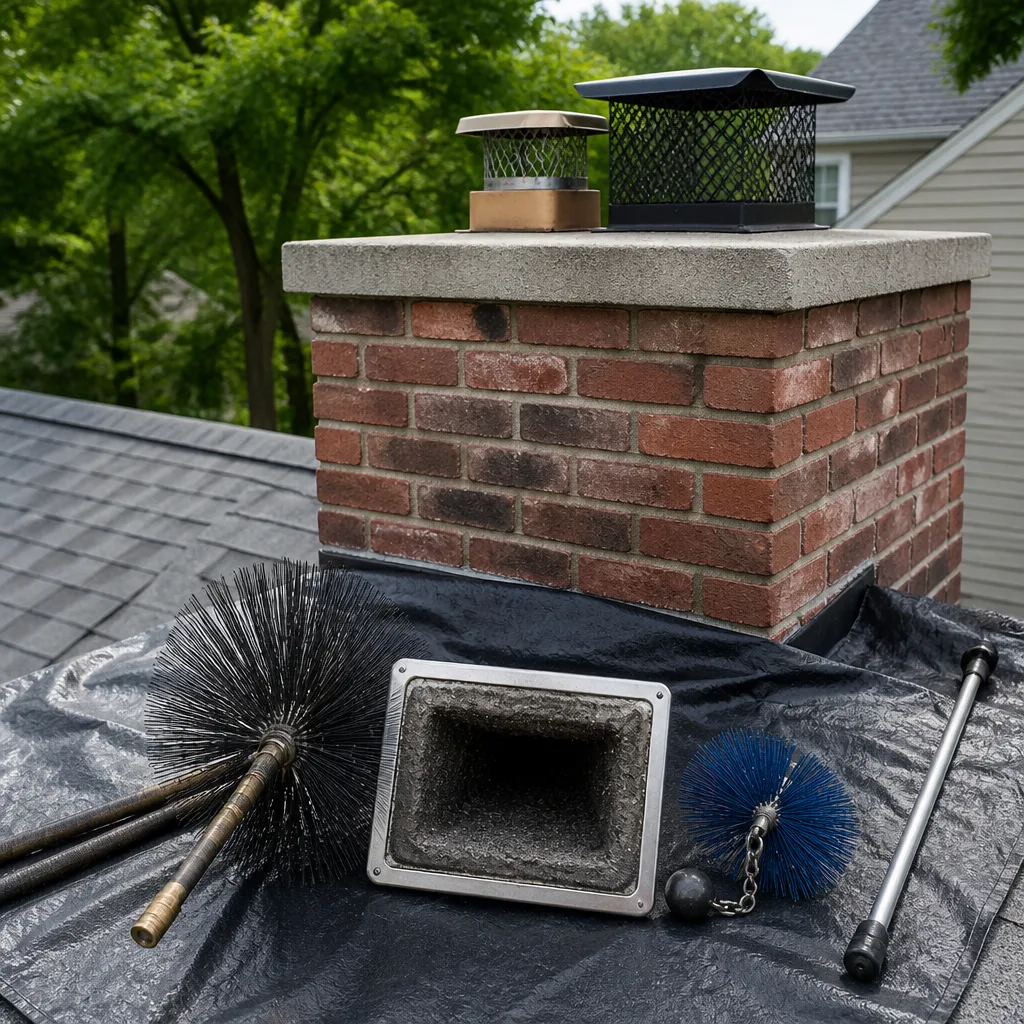 Sweep & inspection
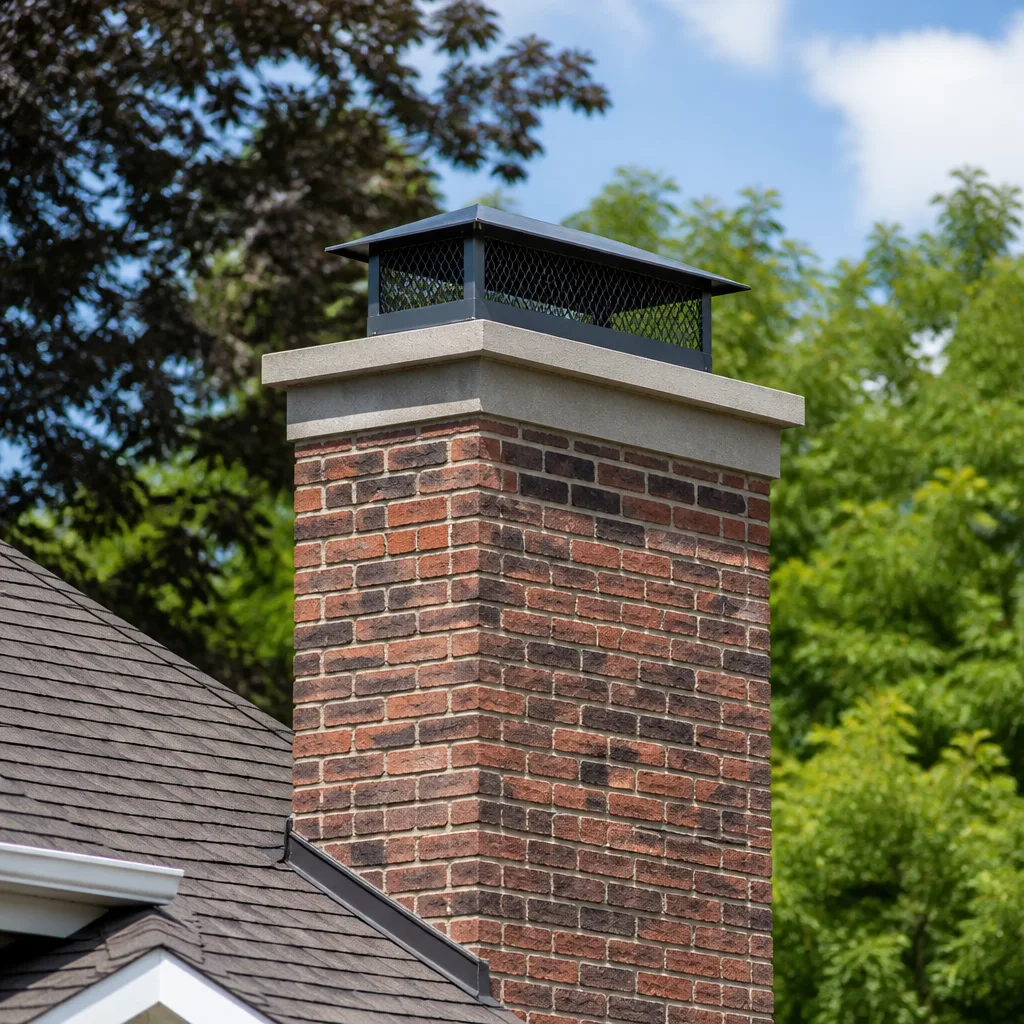 Caps & crowns
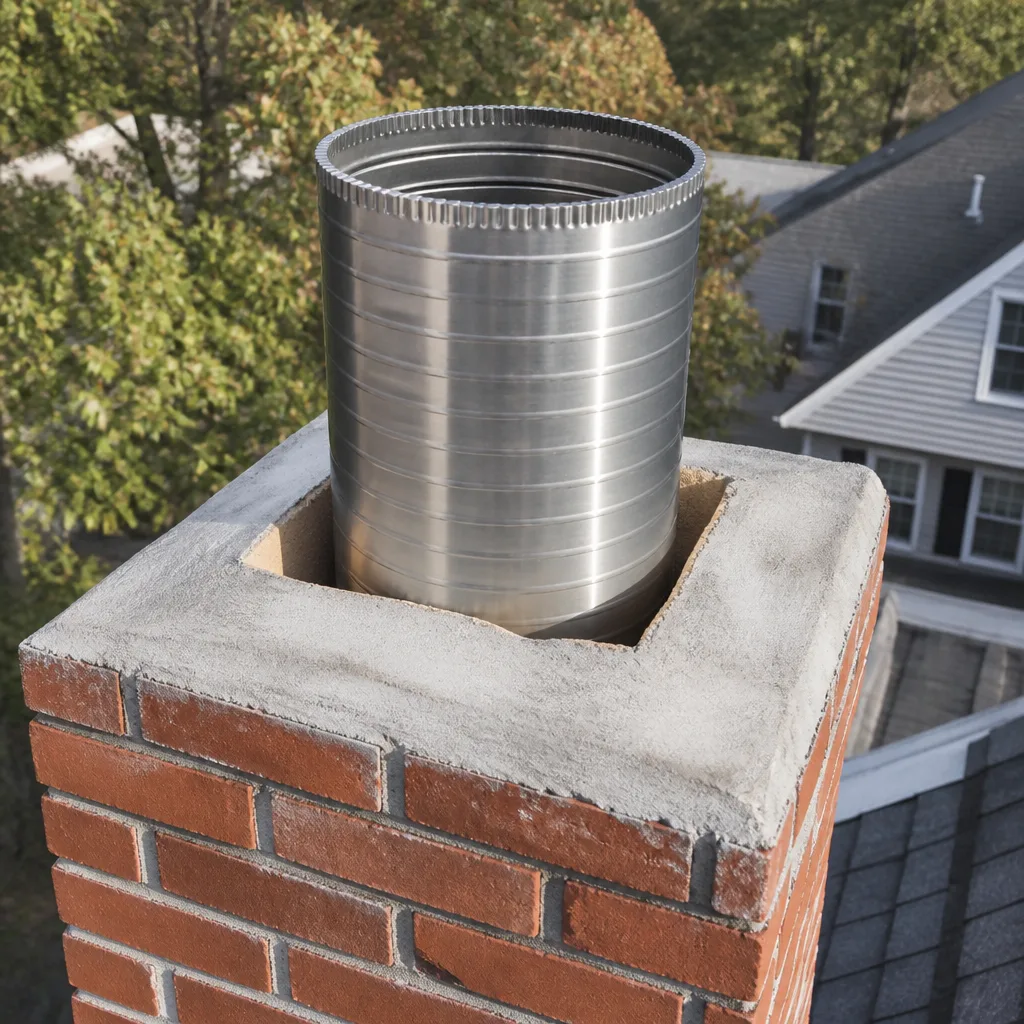 Flue relining
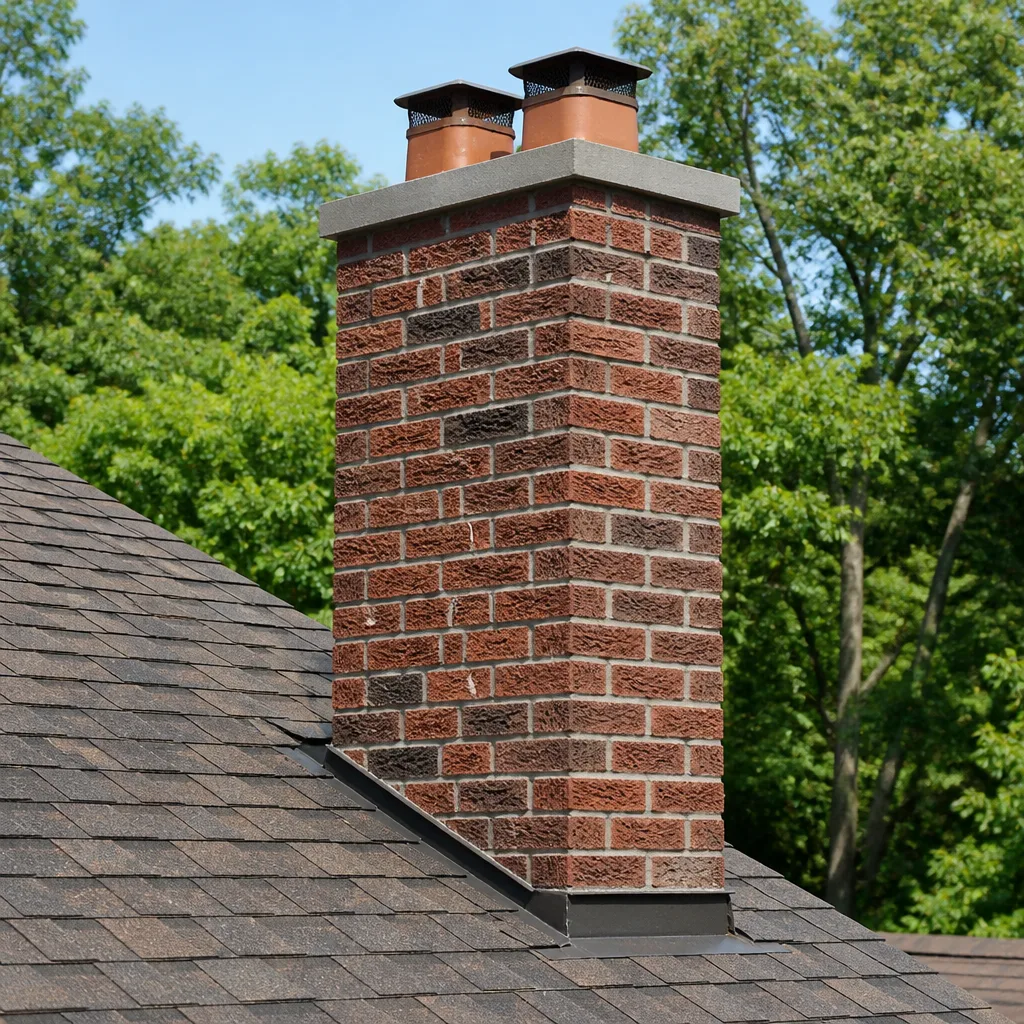 Masonry repair
 Gas fireplace service
Level 1 sweep and inspection to the NFPA 211 annual standard - flue, crown, cap, and flashing checked and photographed
Chimney sweep logs do not sweep chimneys. They loosen some creosote - which then falls where a brush and vacuum still have to collect it.
Chimney Cleaning Permits, Codes & Inspections in Federal Way, WA: What You Need to Know
Most homeowners assume a chimney cleaning never touches a permit. For a standard annual sweep, they’re right. But the picture changes the moment a repair enters the conversation, and it changes faster than most people expect. A liner replacement, a rebuilt crown, a chase opened up to correct a clearance problem: any of these can pull your chimney into Federal Way’s permitting process, and the paper trail that follows is the same one a buyer’s inspector will ask for when you go to sell. Knowing where the sweep-and-clean line ends and the permit-and-inspection line begins is the whole point of this guide. We’ll walk through which work crosses that threshold, how Washington’s building codes apply to wood-burning appliances, what each level of chimney inspection actually means, and how to find your chimney’s record with the city if one exists.
Quick Answer
In Federal Way, a routine chimney sweep generally does not require a permit. Structural or mechanical work on the chimney system – liner replacement, crown rebuilds, chase work, or anything that alters clearances or the flue itself – usually does, and the work has to meet Washington State’s adopted building code and pass inspection. Inspections are separate from permits: a Level 2 inspection is the standard for a real estate transaction, a Level 3 is for concealed problems, and neither replaces the other.
Styles & brands we work with
- Sweep & inspection
- Caps & crowns
- Flue relining
- Masonry repair
- Gas fireplace service
Table of Contents
- Where Does a Sweep End and a Permit Begin?
- How Washington’s Building Code Affects Your Chimney
- Level 1, 2, and 3 Inspections: When Each Is Required
- What the Grandfather Clause Actually Protects
- Why Federal Way Chimneys Age the Way They Do
- How to Request Your Chimney’s Inspection History
- What Permitted and Unpermitted Work Means at Resale
- Common Mistakes to Avoid
Where Does a Sweep End and a Permit Begin?
This is the clearest place to start, because it’s where most confusion lives. Cleaning a chimney is maintenance. It removes creosote, soot, and blockages from a flue that already exists. No portion of the building’s structure is altered, nothing is added, nothing is removed. In Federal Way, that activity doesn’t trigger a permit.
The threshold moves when you change something. A few examples of chimney work that typically crosses into permit territory:
- Liner replacement. Pulling a damaged clay tile liner and installing a new system – whether a stainless flexible liner or a resurfaced ceramic product like HeatShield – changes the flue itself. That’s a mechanical change, and cities generally want it permitted and inspected.
- Crown rebuilds and cap installation when tied to structural repair. A new cap on a sound chimney is usually a weatherproofing accessory. A rebuilt crown that involves masonry reconstruction is not.
- Chase opening or reconstruction. If a chase has to be opened to access the flue, or a prefab chimney’s framing altered, you’re into structural work.
- Changing appliance type. Going from a wood-burning fireplace to a gas insert, or adding a wood stove to an existing flue, involves work that usually requires a permit and inspection.
- Clearance corrections. If an inspection finds the flue too close to combustibles and the fix requires moving or reframing, that’s construction.
When we look at a Federal Way chimney, we sort the findings into two piles: maintenance we can address as part of a standard chimney sweep, and repair that needs a permit. Homeowners deserve to know which pile they’re standing in before any work starts.
The clearance question
One of the most common reasons a repair crosses that line is clearance. Washington’s adopted code specifies how far a chimney must be from combustible materials – typically 2 inches for exterior chimneys and 1 inch minimum for interior ones, with specific requirements for flue-to-combustible distance. When an older Federal Way home was built to a standard no longer in the code, that gap can be tighter than today’s rules allow. The fix isn’t always structural, but when it is, the repair work needs inspection. We document what we find and explain your options before any work begins, so that decision gets made with the full picture in front of you.
How Washington’s Building Code Affects Your Chimney
Washington State adopts the International Residential Code with amendments, and those amendments carry through to Federal Way’s own building department. For anyone with an active fireplace or wood-burning stove, three things in that code matter most.
Clearances and material standards
The IRC sets the minimum distance between a chimney and combustible framing, sheathing, and insulation, and it dictates which materials qualify for a flue lining. Clay tile liners are permitted, but only when they meet the code’s sizing and thickness standards. Stainless steel flexible liners, like the DuraFlex systems we install, are permitted when they’re listed and labeled for the application and correctly sized to the appliance. If an older Federal Way home has an unlined flue or a liner that doesn’t match its appliance, the fix is usually a resurfaced or a properly sized stainless liner – not a wholesale rebuild. Getting the sizing right matters as much as the material.
Cap requirements
The code addresses chimney caps indirectly through weather protection and spark arrestor requirements. A properly fitted cap keeps water, debris, and animals out of the flue – the most common, and most preventable, cause of chimney deterioration. For wood-burning appliances, a listed cap with screening also serves as a spark arrestor. Products from Olympia Chimney and Famco are built specifically for this purpose, and installing a correctly sized cap is often one of the small investments that saves a Federal Way homeowner the largest money over the life of the chimney.
What this means in practice
- New liners need to be listed and labeled. Unlisted products don’t meet code, regardless of how they fit.
- Sizing follows the appliance. A flue sized for a fireplace isn’t automatically correct for a wood stove.
- Clearances are measured, not assumed. Any structural repair that touches combustibles should be documented and inspected.
- Caps are part of the system. A missing or damaged cap is a code-adjacent problem, not just a nuisance.
If you’re unsure which requirements apply to your specific situation, the safest answer is a professional inspection. A thorough assessment of the entire system – flue, firebox, crown, cap, and all clearances – is what tells you whether your current setup is compliant. That work falls squarely inside our chimney repair scope, and it’s the only way to know with confidence.
Level 1, 2, and 3 Inspections: When Each Is Required
The three inspection levels are a terminology many Federal Way homeowners hear at the wrong time – often during a real estate transaction when a buyer’s agent asks for a Level 2. Here’s what each one actually covers and when it’s appropriate.
Level 1 Inspection
A Level 1 inspection covers the readily accessible portions of the chimney: the firebox, the damper, the flue as far as the technician can reach, and the chimney exterior. It’s the standard annual inspection when the system is in continued use and nothing has changed. It’s appropriate alongside a routine sweep, and it’s often what an experienced sweep is doing while cleaning. A Level 1 won’t catch problems hidden behind a chase or a misaligned flue joint.
Level 2 Inspection
A Level 2 inspection goes further. The technician accesses the attic and any crawl spaces, uses a camera to visually inspect the flue’s interior along its full length, and checks clearances where they can be measured. This is the inspection required by best practice for:
- A real estate transaction, when the property changes hands
- After a chimney fire or a major weather event
- When a new appliance is being connected to the system
- After a change in the type of fuel being burned
- When the homeowner has no record of a previous inspection
In our experience, most of the surprises in a Federal Way home come from a Level 2, because the camera finds what a visual from the firebox can’t. The camera inspection and photo report are included in the work we do – nothing is recommended on the basis of a feeling.
Level 3 Inspection
A Level 3 inspection is the heaviest. It’s used when the technician identifies a concealed hazard during a Level 1 or Level 2, and the only way to see it clearly is to access the chimney through a wall, a chase, or a structure. A Level 3 inspection requires permission and is always documented. It’s rarely the first call, but it’s sometimes the only way to confirm a problem that would have been missed.
Which is “required by code” versus “recommended”?
This is an important distinction, and it gets blurred. Building codes generally require clearance and material compliance – they count the resulting installation. Inspection levels are a professional standard, defined by the Chimney Safety Institute of America, and referenced by real estate transactions and insurance carriers. The code doesn’t typically say “Level 2 required” in so many words. But a Level 2 inspection is the industry’s accepted method for verifying the code compliance a buyer’s inspector will ask about. So the practical answer is: the code cares about the result, and the level of inspection cares about the evidence. For a Federal Way homeowner, a Level 2 at the time you buy or sell is the sensible minimum. For a continuing-use system, a Level 1 alongside an annual sweep is what keeps you out of trouble.
What the Grandfather Clause Actually Protects
The phrase “grandfather clause” gets used a lot in Federal Way, and it’s usually used loosely. Here’s what it actually does and does not protect.
What it protects
If a chimney was built to code in the year it was permitted and inspected, it’s generally considered legally non-conforming if later code amendments would have required something different. The system is allowed to stand as built. The grandfather clause protects you from the city forcing a rebuild just because standards changed. In practice, this means an older Federal Way home with a liner and clearances that were correct when it was built doesn’t automatically need to be brought up to today’s code just to stay in service.
What it does not protect
The grandfather clause doesn’t cover unsafe conditions. If a chimney was never permitted, or was built incorrectly, or a repair was done without inspection, the protection doesn’t apply. It also doesn’t cover substantial alterations. When you replace a liner or rebuild a crown, the new work has to meet the current code – the grandfather status applies to the original, untouched construction, not to a fresh component. That distinction creates a lot of confusion at resale, because a homeowner who has never pulled a permit for a repair can find themselves with a chimney that’s no longer “grandfathered” because a later repair pulled it into modern requirements.
When older systems still need to be brought up to code
There are scenarios where the grandfather clause gives way:
- When a new appliance is installed. Adding a wood stove to a flue sized for a fireplace means the whole system has to satisfy the current code for the new appliance.
- When a repair touches the flue itself. A liner replacement brings that liner up to today’s standard.
- When an inspection finds an actual hazard. A code violation that becomes a health or safety issue for the occupants is not protected by non-conforming status.
- When a sale triggers a required inspection. A buyer’s carrier may require compliance for insurance – that’s a contract issue rather than a code one, but it’s just as real.
For a Federal Way homeowner dealing with an older chimney, the practical move is a Level 2 inspection. It tells you what the current state of the system is, which code (original or current) applies to which part, and whether a repair is required to preserve compliance or merely recommended for longevity. That’s the kind of assessment we do routinely, and we’ve found the picture is often better than the homeowner feared – many “old” chimneys in Federal Way are compliant and simply need maintenance.
Why Federal Way Chimneys Age the Way They Do
Federal Way’s climate is wet, and its winters are long and mild. Those two facts matter for a chimney in ways the average homeowner doesn’t see.
The Pacific Northwest winters give a chimney hundreds of wetting and drying cycles. Rain hits a masonry crown, seeps into the porous brick, and freezes overnight during a cold snap. That freeze-thaw cycle is the single most aggressive thing that happens to a Federal Way chimney over its life. The parts that take the abuse first are the crown and the cap. A cracked crown lets water inside the chimney chase, where it saturates the masonry around the flue. A missing cap turns the flue into a rain funnel. Both of those problems start as water intrusion and end as damaged liner, damaged masonry, or both.
Summer swings can be just as hard on the liner. A long damp season followed by a dry summer opens hairline cracks in a clay liner through thermal expansion, and once a liner has cracks, creosote can deposit in places it doesn’t belong. That’s why an annual inspection matters here more than in a drier climate. Federal Way’s weather produces the kind of slow structural damage that only shows up under a camera.
What that means in practice: a properly fitted cap is the highest-value protection available. The Famco and Copperfield cap lines are designed specifically for weatherproofing, and the work of installing one is the most common repair we handle. When we complete cap and crown installation on a Federal Way home, it’s because the inspection found water intrusion – not because we’re offering a sales add-on. The camera report is the evidence.
How to Request Your Chimney’s Inspection History
Federal Way homeowners often ask two questions about the paper trail: how do I find it, and what if there isn’t one? Here’s the practical path.
Step-by-step: requesting your chimney’s record
- Contact the City of Federal Way’s building department. Ask whether they can search for permits or inspections tied to your property address. Most building departments maintain records for a significant period, but older records may be on paper or archived.
- Identify the address and, where possible, the year of any known work. A permit search is more productive when you can give the department a window to search in. If you don’t know the year of a repair, the original construction permit for the home is often the right starting point.
- Check your own files first. Your purchase paperwork, title documents, and any inspections you’ve had done often include reports that are legally yours. A Level 2 inspection report from the transaction is exactly the document a future buyer will want to see.
- Ask your insurance carrier. If your homeowner’s policy has a record of an inspection or a claim related to the chimney, they can usually supply a copy to you on request.
- Request a new Level 2 inspection from a professional. This gives you a current, documented picture of the system and can fill in gaps that a city record can’t.
What if no record exists
This is common in Federal Way, particularly in older neighborhoods where permits were less consistently tracked and where chimney work was often done by a general contractor who didn’t document it. If no record exists, the practical move is a fresh inspection and a written report. That report becomes your record going forward, and it’s the document a future buyer, an insurance carrier, or a code inspector will want. Our team produces a camera inspection with photo documentation as part of every inspection, and the report is yours to keep. If a record is genuinely missing, a new report is the replacement.
What Permitted and Unpermitted Work Means at Resale
Here’s the scenario the opening of this guide hinted at: a Federal Way homeowner puts a house on the market, and the buyer’s inspector discovers that a liner replacement or a crown repair was done without a permit. The title company, the buyer’s lender, and the buyer’s insurer may all want to know about it. The deal doesn’t necessarily die, but the repair timeline changes, and the expense of correcting the record falls on the seller.
That’s not a scare tactic. It’s the ordinary consequence of how real estate works. Permitted work has a paper trail. Unpermitted work has to be retroactively evaluated, and sometimes corrected, before a title can clear. The upside of doing it right is that permitted work is durable and portable – a homeowner who inherits a permitted repair gets a chimney with a clean history.
None of this means the average Federal Way homeowner needs to pull permits for an annual sweep. It means that when the work crosses into repair, the permit is not bureaucratic overhead; it’s the thing that keeps the record intact. A properly permitted repair from a professional who understands the process is cheaper over time than an unpermitted repair that a future buyer won’t accept. From the firebox to the crown, we service the entire chimney system, and we document what we do – so that the record your chimney has at resale is the one you’d want.
Common Mistakes to Avoid
- Assuming a sweep and a repair have the same permit rules. They don’t. A routine sweep in Federal Way usually doesn’t need a permit, but a liner swap, crown rebuild, or clearance correction usually does. The distinction is worth asking about in advance, before a contractor is scheduled. Reputation worth protecting is built on that kind of clarity.
- Skipping the inspection at resale. A Level 2 inspection is the standard for a real estate transaction, and skipping it means finding out about problems when the buyer’s inspector does. In Federal Way’s market, that timing matters.
- Relying on the grandfather clause too broadly. Non-conforming status protects original, compliant construction. It does not cover a repair that was never permitted. Homeowners who’ve had work done informally often assume they’re protected and find out at sale they aren’t.
- Leaving a missing cap. Water intrusion is the most common preventable cause of chimney deterioration in a wet climate, and a missing or damaged cap is the open door. It’s a small fix that protects the largest investment in the system.
- Not keeping the inspection report. A written report, with photo documentation, is what converts a professional opinion into a durable record. If you’ve had an inspection done and can’t find the paperwork, request a copy before it’s needed.
- Waiting for a smoky fireplace to become a structural problem. Smoke in the living room is often the easiest sign that an inspection is overdue. A smoke problem caught early is frequently a small fix, while the same problem left alone can become a damaged liner or a compromised clearance. We see this often in Federal Way homes with fireplaces that were used irregularly for years.
- Confusing unpermitted repairs with repairs that were never checked. A repair that was done but never inspected is a different situation from a repair that was never done. The right phone call will sort out which one you’re in.
When to Call a Professional
A few scenarios where a professional inspection or repair is the right call and a wait-and-see approach is not:
- You’re preparing to sell a Federal Way home and don’t have a Level 2 inspection report.
- You’ve noticed water stains, a cracked crown, a rusted damper, or an animal in the flue.
- You’ve had a repair done and can’t find the permit or the inspection record.
- Smoke backs into the room when a fire is burning, or a wood stove doesn’t draw.
- You’ve never had a chimney inspection and don’t know the system’s history.
- You want to change appliance types, add a wood stove, or connect a new insert.
Federal Way Chimney Sweep offers free estimates in Federal Way – call (855) 658-4385. We answer 24/7. Fast dispatch from 7am to 7pm, Sunday through Friday. Whether you need a fireplace repair or a full evaluation, we document what we find and explain your options before any work begins.
See the difference
 Before
 After
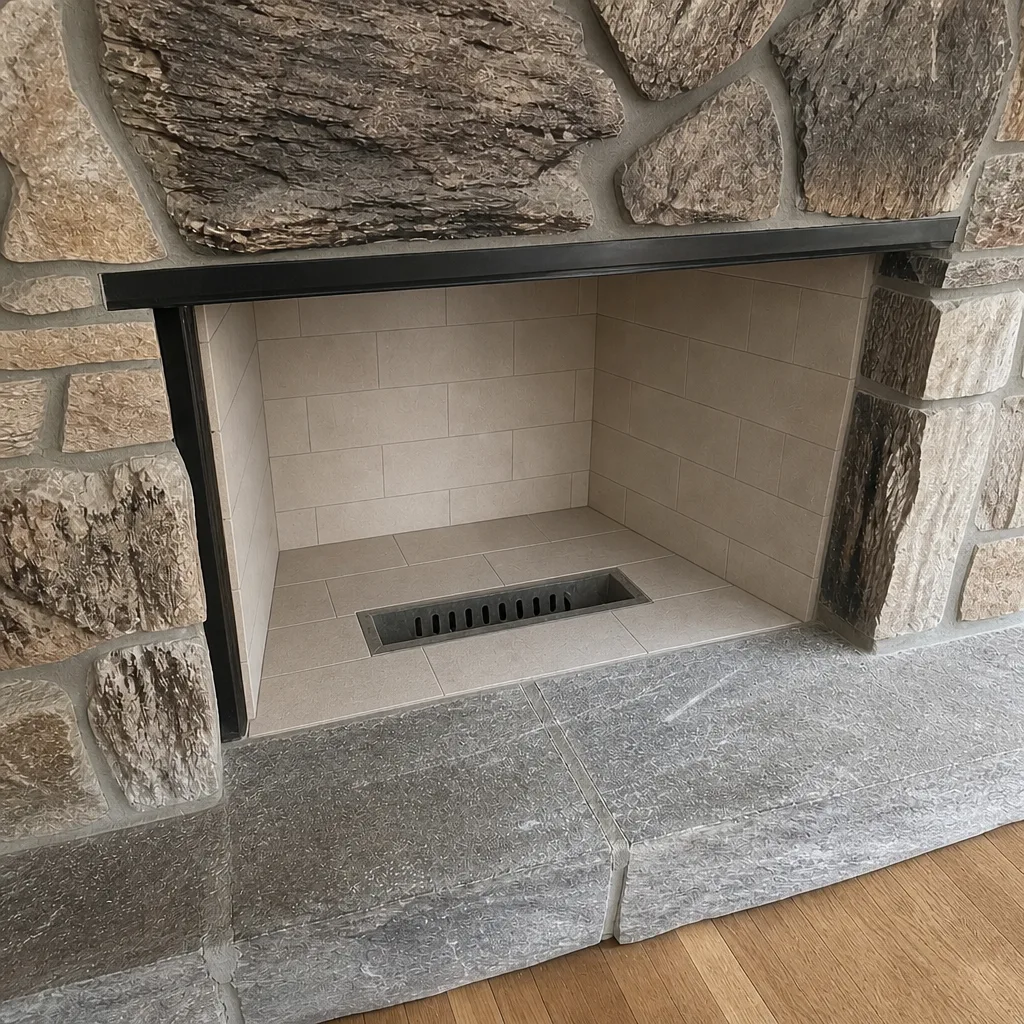
 Before
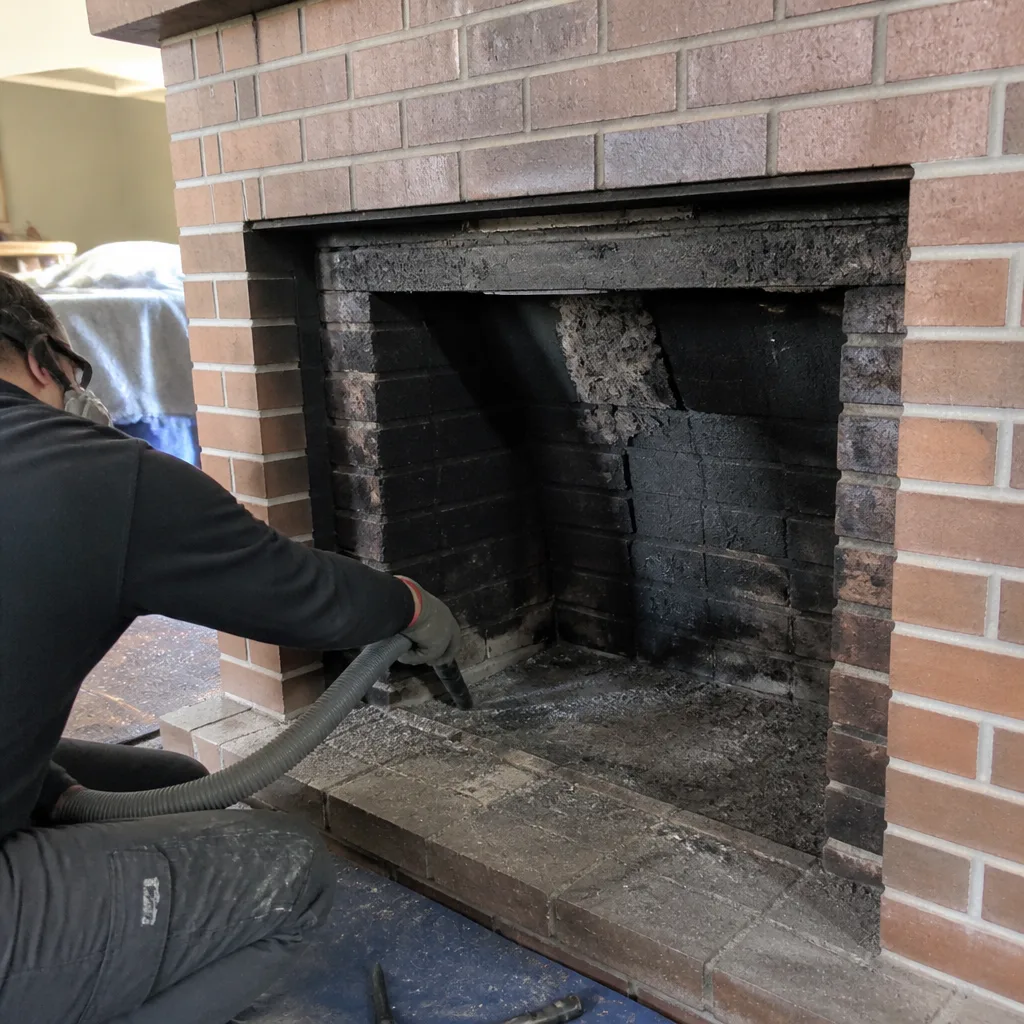
 After
 Before
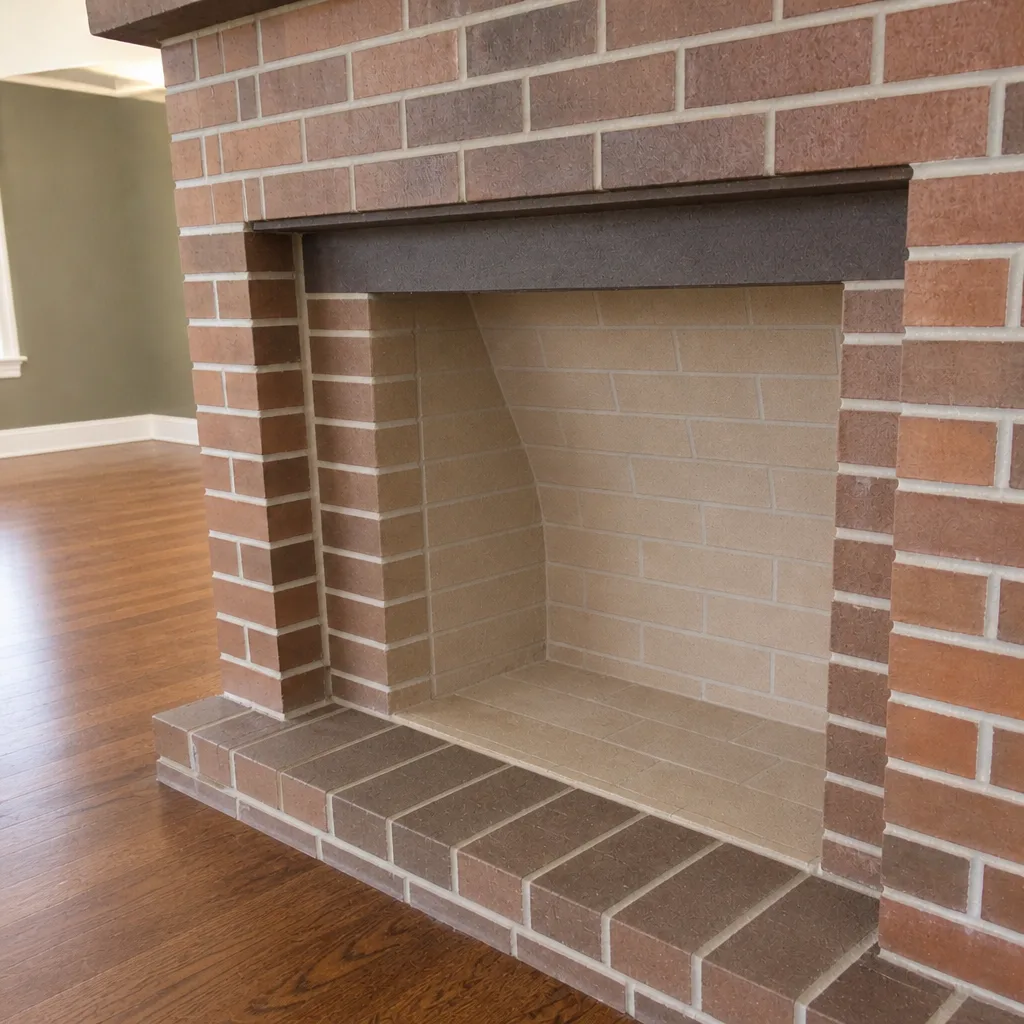 After
Frequently Asked Questions
A standard chimney cleaning generally does not require a permit in Federal Way. Sweeping is maintenance, and it doesn’t alter the chimney’s structure or clearances. The permit requirement enters the picture when the work is a repair – liner replacement, crown rebuild, clearance correction, or appliance change. If you’re unsure whether your work is a sweep or a repair, ask a professional before the appointment is booked. Call (855) 658-4385 and we can sort it out over the phone.
The two are separate processes. A chimney inspection is a professional assessment of the chimney’s condition, done at one of the three recognized levels (Level 1, 2, or 3). A permit inspection is a visit by a city inspector to verify that permitted work was done to code. In practice, permitted repair work usually requires both – the professional inspection documents the condition, and the city inspection signs off on the installation. When you work with our team on a Federal Way repair, we handle the documentation that supports the permit inspection.
Mechanical or structural chimney work in King County and Federal Way typically requires a permit, though the exact classification depends on the scope. Replacing a liner, rebuilding a crown, altering a chase, correcting clearances, or changing appliance types are the common triggers. A simple cap installation on a sound chimney often falls under maintenance. The safe rule of thumb: if the work changes the flue or the chimney’s structure, ask about the permit before the work starts. Call (855) 658-4385 for an exact quote – estimates are free.
A Level 2 inspection is the standard practice for a real estate transaction, and it’s what a buyer’s inspector will likely request. Strictly speaking, no law compels a seller to have one, but going without it invites problems at closing. A Level 2 includes the attic, crawl spaces, and a camera inspection of the flue – which is what catches the problems a visual check cannot. If you’re selling, this is the inspection to schedule first. Call (855) 658-4385 and we’ll set it up.
If no permit record exists, the practical replacement is a current inspection report. Ask the City of Federal Way’s building department to search for whatever record they do have, check your own transaction paperwork, and have a Level 2 inspection done. The new report becomes your documentation for any future sale, insurance event, or code question. A missing record is not itself a violation – it just means the paper trail starts now.
Federal Way’s wet winters and long damp season accelerate the wear on the crown and cap, and the freeze-thaw cycle is hard on masonry. An inspection that passes in a dry climate and fails here is not unusual, because water intrusion finds the weak points faster. If your crown is cracked or the cap is missing, the fix is often inexpensive and the consequence of waiting isn’t. A chimney that’s passed an inspection is worth keeping that way.
The Bottom Line
The permit question has a short answer and a long answer. Short: a chimney cleaning in Federal Way doesn’t need a permit; a chimney repair usually does. Long: the work that crosses the threshold is the work that changes the flue or the chimney’s structure, and that work has to meet Washington’s adopted IRC and pass inspection. Grandfathered chimneys are protected as long as the original construction is compliant and no unpermitted repairs have altered them. Inspection levels are the evidence layer – a Level 1 is the annual check, a Level 2 is the resale and problem-solving check, a Level 3 is the rare concealed-hazard check. Keep the report. It’s the document a future buyer, a lender, or an insurer will ask for. We’d rather answer these questions before the work starts than after.
Related Reading
If you’re new to the Federal Way area or you’re working through the broader picture of chimney maintenance, start with our Federal Way Chimney Sweep overview, which covers the full range of services from firebox to crown and explains how our process works.
For homeowners with a specific problem – a smoky fireplace, a missing cap, a cracked crown – our team can take a look and document what’s there before any discussion of repair. From the firebox to the crown, we service the entire chimney system.
Contact
Have a chimney question that this guide didn’t answer? Call (855) 658-4385 for a free estimate. We answer 24/7. Fast dispatch from 7am to 7pm, Sunday through Friday. We’re glad to walk you through what a Federal Way inspection would cover, whether a permit applies to your situation, and what the next step looks like.
Written by the team at Federal Way Chimney Sweep.