
Last updated November 24, 2026
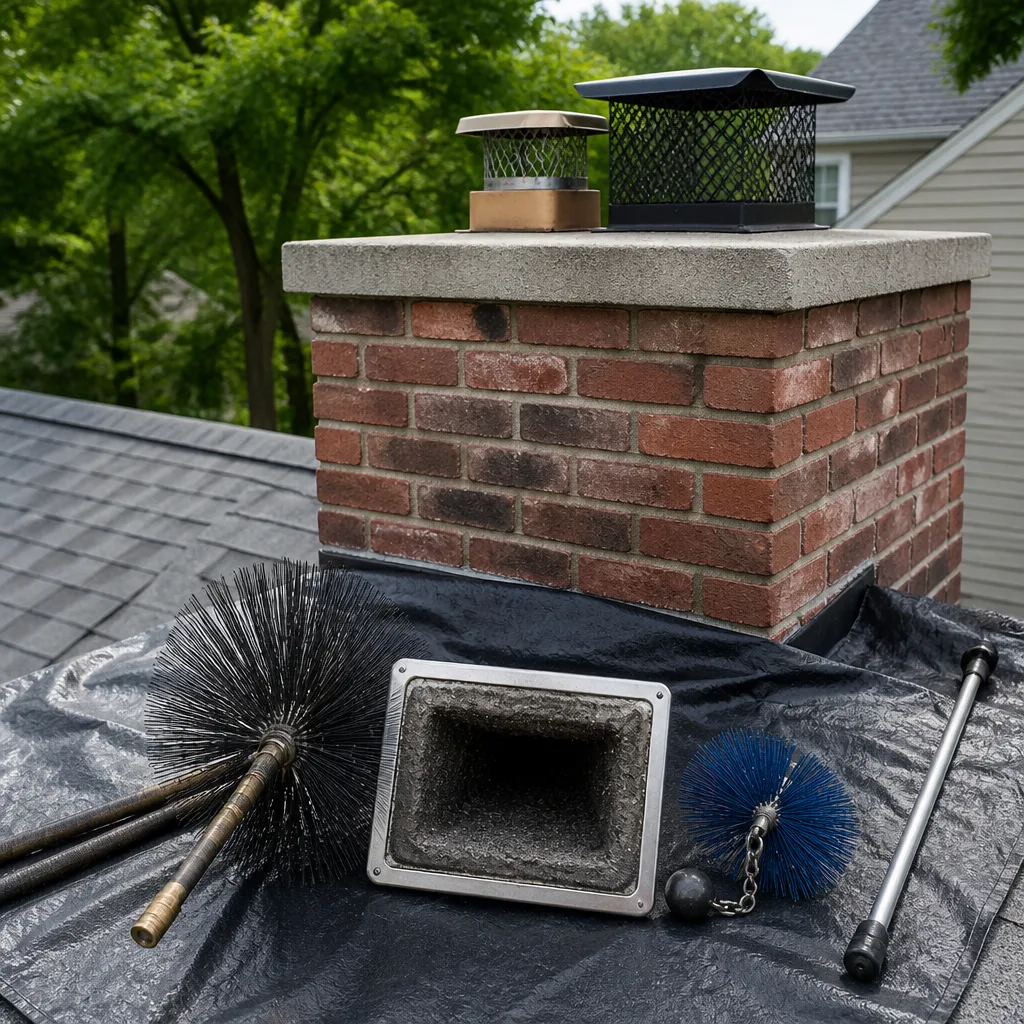 Sweep & inspection
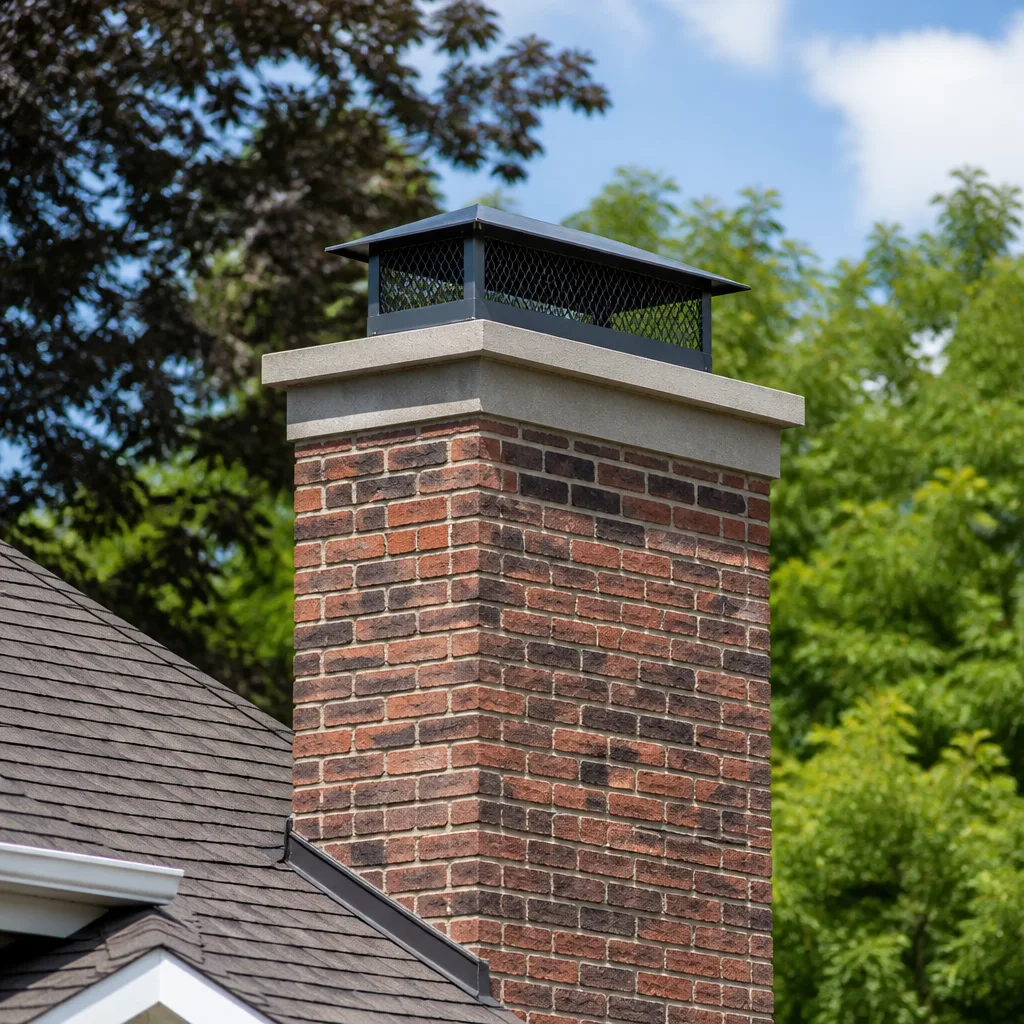 Caps & crowns
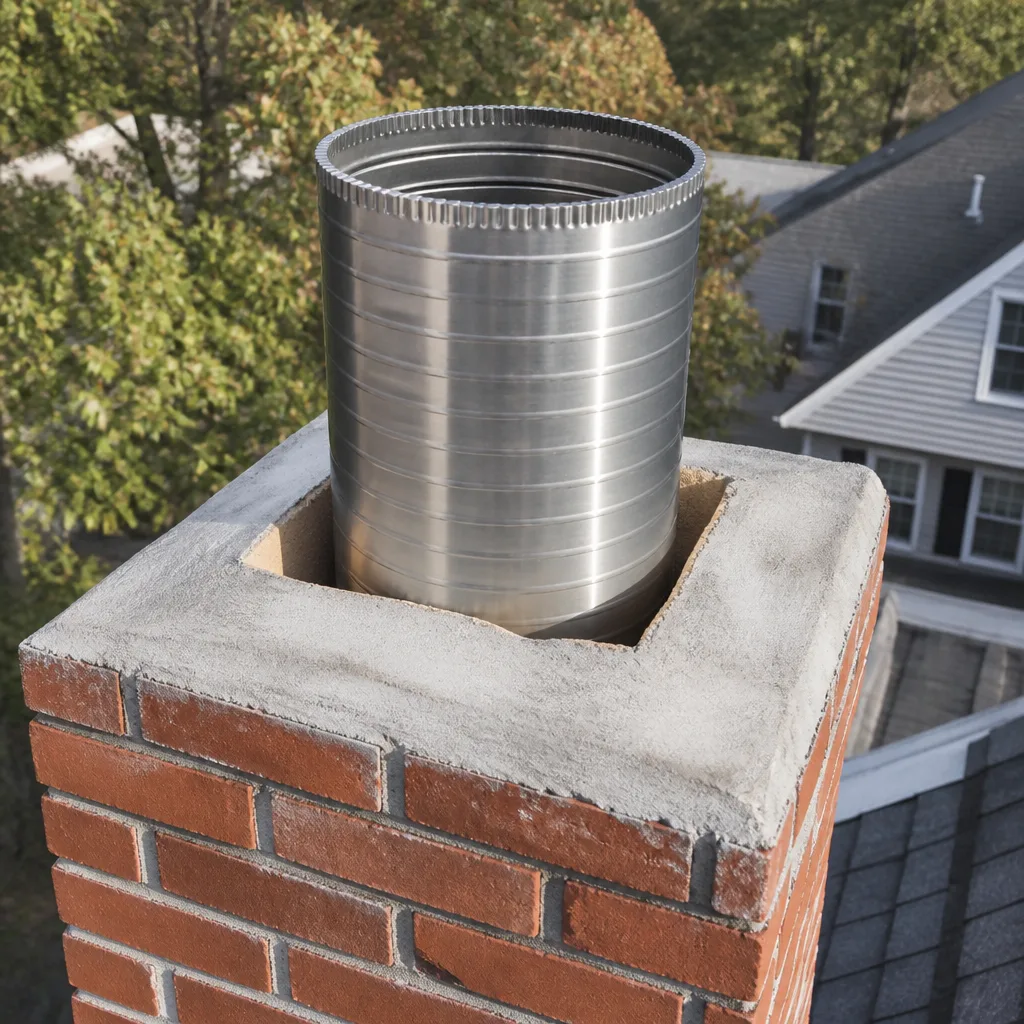 Flue relining
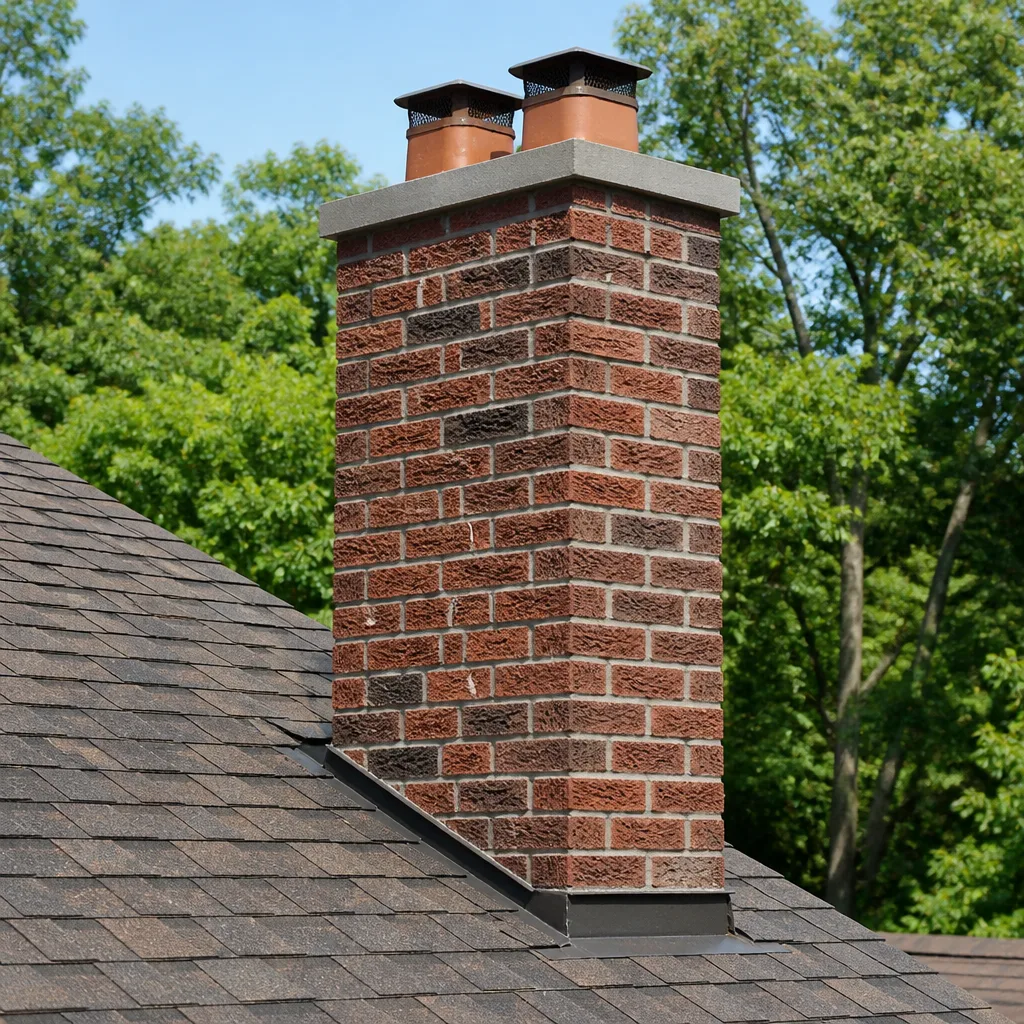 Masonry repair
 Gas fireplace service
Level 1 sweep and inspection to the NFPA 211 annual standard - flue, crown, cap, and flashing checked and photographed
Chimney sweep logs do not sweep chimneys. They loosen some creosote - which then falls where a brush and vacuum still have to collect it.
Chimney Sweep Troubleshooting in Federal Way: Common Problems and How to Fix Them
If your fireplace smokes into the room every time it rains, that isn’t a draft problem. It’s almost certainly a cap or crown issue, and treating it as a cleaning problem wastes money and time. Most chimney troubles homeowners notice in Federal Way – smoke rollout, slow-starting fires, a creosote smell in July – have one specific, diagnosable cause. We see the same handful of culprits repeat across the city, from Twin Lakes to Redondo. This guide maps each symptom you’re noticing to its most likely source, explains which ones are safe to watch and which need attention now, and shows you how to describe what you’re seeing so a diagnosis takes minutes. You’ll finish knowing what questions to ask, and how to tell a real fix from a quick patch.
Quick Answer
Most chimney problems in Federal Way come down to five causes: a missing or damaged cap letting rain in, a cracked crown channeling water into the masonry, a flue that’s too cold or too large for the fire, accumulated creosote from wet wood and a damp climate, or a failing flue liner. Smoke that appears only during rain points to the cap or crown. Chronic smoke rollout with a hot fire points to flue sizing or draft. A summer creosote smell means buildup absorbing moisture. Each of these has a specific fix, and most are resolved within one service call.
Styles & brands we work with
- Sweep & inspection
- Caps & crowns
- Flue relining
- Masonry repair
- Gas fireplace service
Table of Contents
- Symptom-to-Cause Matrix
- Why Your Fireplace Smokes When It Rains
- How Federal Way’s Wet Climate Accelerates Chimney Failure
- Creosote Buildup and What Stage 3 Really Means
- Flue Liner Problems: Restore or Replace?
- What You Can Monitor Safely and What Needs Immediate Attention
- How to Describe Your Problem So the Diagnosis Is Fast
- Symptom Fix vs. Root Cause: The Questions That Tell the Difference
Symptom-to-Cause Matrix: Matching What You See to What’s Wrong
Chimney troubleshooting goes faster when you start from the symptom rather than the system. An experienced technician can usually narrow the cause before arriving on-site, just from how you describe the problem. Here’s how symptoms map to causes.
- Smoke rolls out of the fireplace with an active fire. Most likely flue sizing, negative pressure from another appliance, or a blocked flue. Less often an oversized firebox or a cold flue that never got warm.
- Smoke only during rain or snowmelt. A damaged cap, cracked crown, or water pooling in the smoke chamber that cools the flue on contact.
- Creosote smell in warm months. Buildup in the flue absorbing humidity off the masonry and re-releasing it as a sour, smoky odor into the living space.
- A slow, lazy draw that never quite gets going. Insufficient flue height, a shallow draft from nearby trees or rooflines, or buildup restricting the flue.
- Water stains on the ceiling near the chimney. Failed flashing, cracked crown, or a missing or rusted cap.
- Rumbling or crackling beyond normal fire noise. Possible chimney fire from advanced creosote buildup. Stop using the fireplace and get it assessed before the next burn.
- Spalling brick and mortar crumbling off the chimney exterior. Water intrusion cycling through freeze and thaw, which this region’s wet winters make common.
If your symptom doesn’t appear on this list, describe it anyway when you call. What matters most is when it happens and what makes it worse – during rain, only on startup, always, or after a fire has been going an hour. Those triggers point us at the cause with surprising accuracy.
Why Your Fireplace Smokes When It Rains (It’s Usually Not a Cleaning Problem)
Rain-triggered smoke is a weatherproofing problem, not a cleaning one. When a chimney smokes only in wet weather, the cause is almost always a way for water to enter the flue or smoke chamber, then cool the rising exhaust before it can exit. The fire is producing smoke. The smoke is rising. Then it hits a wet or cold obstruction, slows, and reverses into the room.
The three usual suspects:
- A missing, loose, or rusted cap. Rain falls straight into the flue, wets the inside of the flue tile or liner, and drops the flue temperature on contact. A properly sized cap sheds water completely. We install chimney repair work around caps from Famco and Copperfield, both manufacturers known specifically for chimney weatherproofing components.
- A cracked or spalling crown. The crown is the concrete cap at the very top of the masonry. When it cracks, water wicks into the brickwork below and saturates the chimney from the inside. That moisture then cools the flue every time it rains – and the same water damage slowly breaks down the mortar joints that hold the chimney together.
- Water in the smoke chamber. Rare but possible. Bad flashing can let water track down the outside of the flue and pool in the smoke chamber, where it interferes with exhaust flow and worsens with every storm.
If your Federal Way home is showing this pattern, the fix isn’t another sweep. It’s inspecting the top of the chimney for cap and crown condition, then addressing what’s actually wrong. Cleaning a water intrusion problem is money spent on the symptom while the cause keeps getting worse.
How Federal Way’s Wet Climate Accelerates Chimney Failure
Federal Way sits in one of the wettest winter climates in the continental United States, and its masonry chimneys pay the price. Drier climates see slower masonry degradation because brick and mortar dry out between storms. Here, they rarely get the chance.
That constant damp cycle affects a chimney in several specific ways:
- Spalling mortar and brick. Water soaks into the brick, then freezes and expands on the cold nights that follow. Mortar joints crack, brick faces spall off, and the crown eventually fails. Every winter adds another layer of damage if the chimney isn’t water-tight.
- Advanced creosote formation. Creosote builds up faster and harder when firewood is damp or the flue stays cold. In a climate where wet wood is the default, stage 2 glazed creosote forms in fewer burns than most homeowners expect. Stage 3, the hardened, puffy variety, is the fire risk.
- Rust in metal components. Dampers, cap screens, and older metal flue components corrode faster here. Rusted dampers that can’t open fully cause smoke rollout all by themselves.
- Moss and algae on the crown and flashing. Growth on the top of a chimney is a sign water sits there long enough to support it. That water is already working into the masonry.
The practical takeaway: your northern-climate chimney has a shorter window between preventative fixes and structural repairs than the same chimney in a drier part of the country. Catching a cracked crown early, capping a flue before water gets in, and staying on top of creosote pays back more here than almost anywhere else.
Creosote Buildup and What Stage 3 Really Means
Creosote is a byproduct of incomplete combustion, and it comes in three recognizable stages. Stage 1 is the light, dusty, flaky soot that sweeps remove easily with a brush. Stage 2 is glazed, hard, and shinier; it sticks to the flue like dried resin and brushing alone won’t remove it. Stage 3 is the hardened, puffy, porous buildup that has already been through a partial chimney fire at some point, and it’s the stage most associated with chimney fires.
You can’t reliably tell which stage you’re at from the fireplace side. You can, however, watch for signs that point toward a problem:
- A sour, campfire-like smell from the fireplace in summer or on warm days.
- Black, shiny deposits visible on the firebox walls or the damper, especially at the top edge.
- Smoke that starts fine and suddenly rolls out after 30 to 45 minutes of burning.
- Wood that takes noticeably longer to catch, or burns hot and fast without producing much heat into the room.
Burning cured, dry wood is the single biggest thing that slows creosote formation. Wood that has dried for at least a year burns cleaner, produces more heat, and leaves less behind. Wet wood, and burning with the damper only partly open, are the two most common causes we see in this climate.
If a sweep finds stage 3, that’s a hazard, not an inconvenience. Chimney fires are frequently silent and can damage the flue liner without the homeowner knowing anything happened. Don’t light the fireplace again until a professional has inspected the flue.
Flue Liner Problems: Restore or Replace?
A flue liner that’s cracked, spalled, or disconnected is a safety issue, but it doesn’t always mean a full replacement. In many cases, a compromised clay flue can be restored with HeatShield ceramic liner resurfacing, which rebuilds the inside surface of the flue with a ceramic compound that seals cracks and restores a smooth, properly sized exhaust path. That can save homeowners from the cost and disruption of a full liner replacement, and it’s one reason we work with HeatShield.
When restoration isn’t an option – badly deteriorated clay tiles, no liner at all in an older flue, or a size mismatch for the appliance – we use DuraFlex flexible liner systems for a proper retrofit. DuraFlex liners give older fireplaces a code-compliant, correctly sized flue without rebuilding the masonry.
Signs your liner is failing or missing:
- Visible cracks, gaps, or missing pieces of clay tile from the firebox looking up.
- White staining on the exterior brick below the roofline, which often signals moisture vapor escaping through a compromised flue.
- A masonry chimney with no liner visible from below – common in homes built before liners were standard.
- Smoke odor in rooms that share the chimney chase, which can mean cracks let exhaust escape the flue.
If the liner turns out to be fine, we’ll tell you so and document what we saw. Restore, don’t just clean is the rule for liners: many damaged flues can be resurfaced rather than replaced, and the difference in cost is worth knowing before you commit.
What You Can Monitor Safely and What Needs Immediate Attention
Some chimney problems are safe to watch between annual sweeps. Others need professional assessment now. Here’s the breakdown.
Safe to monitor between sweeps
- Light stage 1 creosote buildup in a fireplace that’s otherwise drafting well.
- A cap screen with a small tear that still sheds water and keeps birds out.
- Faint creosote smell that only appears on the warmest days.
- Minor cosmetic moss on a concrete crown that drains properly.
Needs a professional now
- Any rumbling, popping, or crackling beyond the fire itself, or a whooshing sound from the flue.
- Visible cracks in the flue liner, the firebox, or the smoke chamber.
- Water actively dripping into the firebox or stains spreading on the ceiling around the chimney.
- Smoke in the room that didn’t happen in previous years with the same fire setup.
- Loose or missing chimney bricks, or a crown visibly pulling away from the flue tile.
- Debris or an animal in the flue with no cap installed.
Carbon monoxide risk is real with blocked or damaged flues, but it’s easy to overstate. If your home has carbon monoxide detectors and they aren’t alerting, that’s good news, not proof the flue is safe. Visible damage and smoke where there shouldn’t be smoke are the triggers to call.
How to Describe Your Problem So the Diagnosis Is Fast
You don’t need to be technical on the phone. You just need to be specific about what you’re observing. A clear description can halve the discovery phase of a service call and get you to the right fix faster. Here’s what actually helps.
- Say when it happens. “Every time it rains” and “on the first fire of the season” are two completely different problems. Also note whether it’s during startup, mid-burn, or at the end of a fire.
- Say what you see or smell. “Gray smoke rolling from the top of the firebox” is different from “black smoke from the front.” Note water stains, brick crumbling, or odd smells separately.
- Say what kind of fire. A fireplace, a wood stove insert, and a gas appliance each have their own troubleshooting pattern. Include the model if you know it.
- Say what changed recently. A new roof, a new cap, a new stove insert, or a tree removed from the yard all change airflow.
- Say the age of the home if you know it. Pre-liner construction vs. newer construction narrows the suspects quickly.
That’s everything we need to plan a visit. We don’t ask you to guess. A few targeted questions plus a professional inspection is faster than a lengthy phone triage that leaves everyone unsure what to expect.
Symptom Fix vs. Root Cause: The Questions That Tell the Difference
A sweep that fixes a symptom is a call you’ll make again next year. A sweep that resolves the root cause is a call that doesn’t come back. Both are called “chimney cleaning,” which is why homeowners get confused.
Here’s what separates the two:
- Symptom fix: brushing out creosote without asking why it built up fast. If damp wood or a cold flue is the cause, the next season brings the same volume of buildup.
- Root cause fix: correcting the flue size, adding a liner for a properly sized flue, ensuring the cap is water-tight, and identifying the wood-burning habits that produced the buildup.
- Symptom fix: patching a crown crack without addressing the flashing or cap that was letting water into the crown in the first place.
- Root cause fix: re-crowning, capping the flue with a properly sized cap from Famco or Copperfield, and verifying the flashing is water-tight.
Three questions to ask any sweep before booking:
- “Will you document what you find with photos or a camera inspection?” If the answer is no, you’re paying for advice you can’t verify. Every inspection we do includes a camera inspection and photo report, so you see what we see.
- “If you find a problem, can you fix it in-house, or are you referring it out?” Federal Way Chimney Sweep handles sweeping, inspection, fireplace repair, and chimney repair under one roof, from the firebox to the crown. That means one inspection, one crew, one call, no subcontractors to coordinate.
- “What can safely wait until next year?” A seasoned sweep will tell you when a fix doesn’t need to happen this season. If every answer is “it needs doing now,” get a second opinion.
If you want a straight answer on symptom vs. root cause for your Federal Way chimney, our team handles both, and the inspection findings stay in one place. You can see what we find before deciding what to fix.
Common Mistakes to Avoid
- Treating smoke during rain as a sweeping problem. It’s water intrusion, and another sweep won’t fix it. You need the cap and crown checked before another cleaning is ordered.
- Running the fireplace after a chimney fire because “it seems fine.” Silent fires damage liners without obvious signs, and the flue can be unsafe even when the fire still burns. Any crackling or rumbling means stop and call.
- Burning wet or unseasoned wood to “use up” the pile. In Federal Way’s damp climate, wood takes longer to cure. Wet wood accelerates creosote formation, and the savings on firewood aren’t worth a stage 2 buildup.
- Ignoring a cracked crown because the chimney “still works.” A cracked crown lets water into the masonry every winter, and the damage spreads. It’s the single most preventable cause of serious chimney deterioration here.
- Skipping the camera inspection to save on the sweep cost. A sweep without a look up the flue misses the liner cracks and buildup behind the damper. You want to know what’s actually in there.
- Letting a contractor patch symptoms without documenting the cause. Ask for photos of what was found, before and after. Every inspection we run includes a camera inspection and photo report so the diagnosis isn’t just someone’s word.
- Calling any general handyman for chimney masonry. Chimney repair is a specialty with its own materials, sizing rules, and safety considerations. A cap retrofit or crown rebuild done wrong costs more to fix than it saved.
See the difference
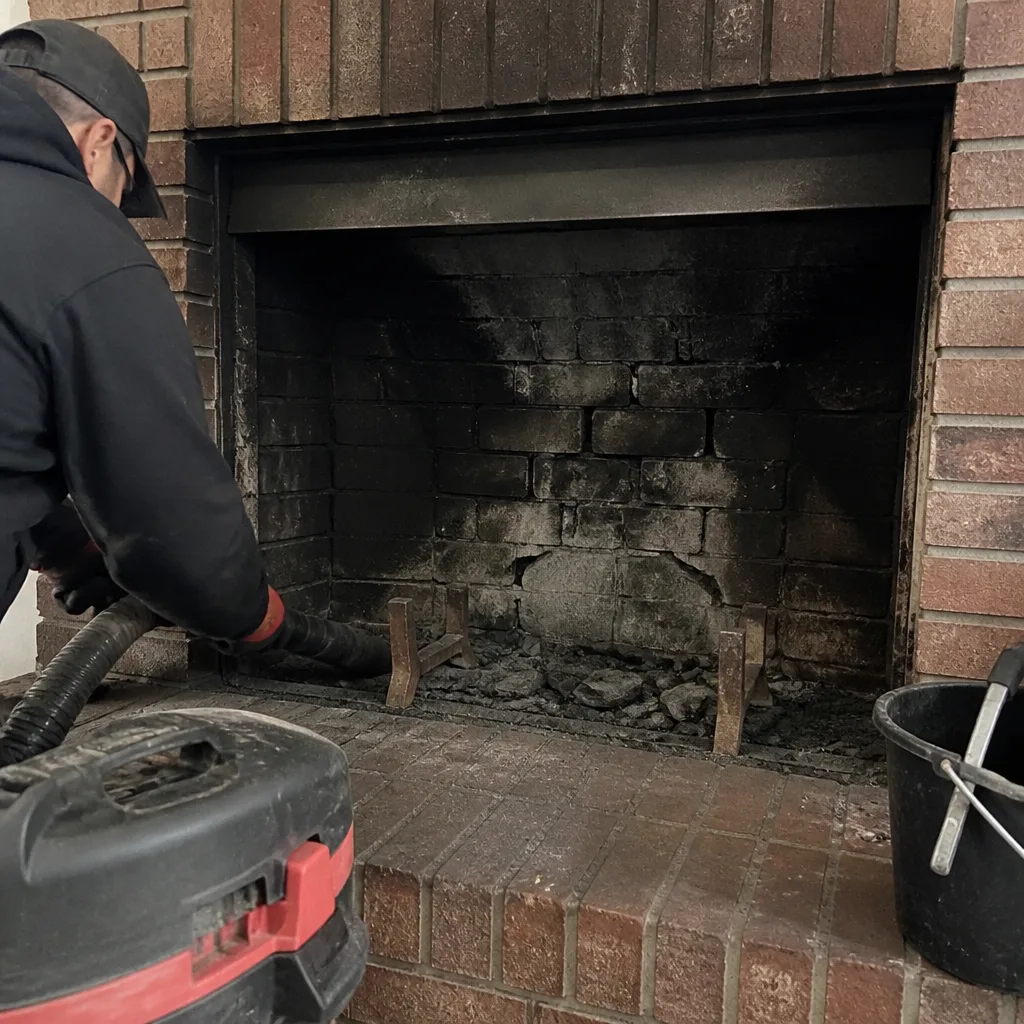 Before
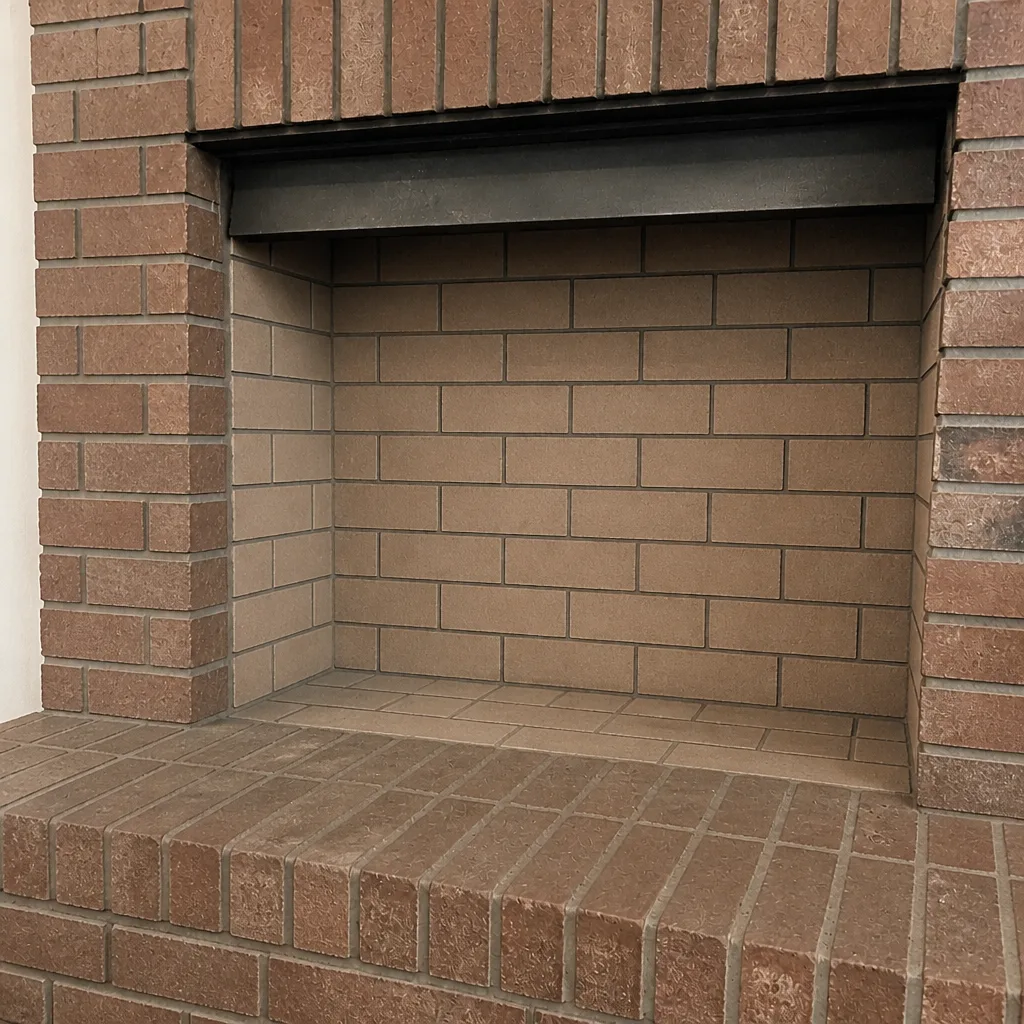 After
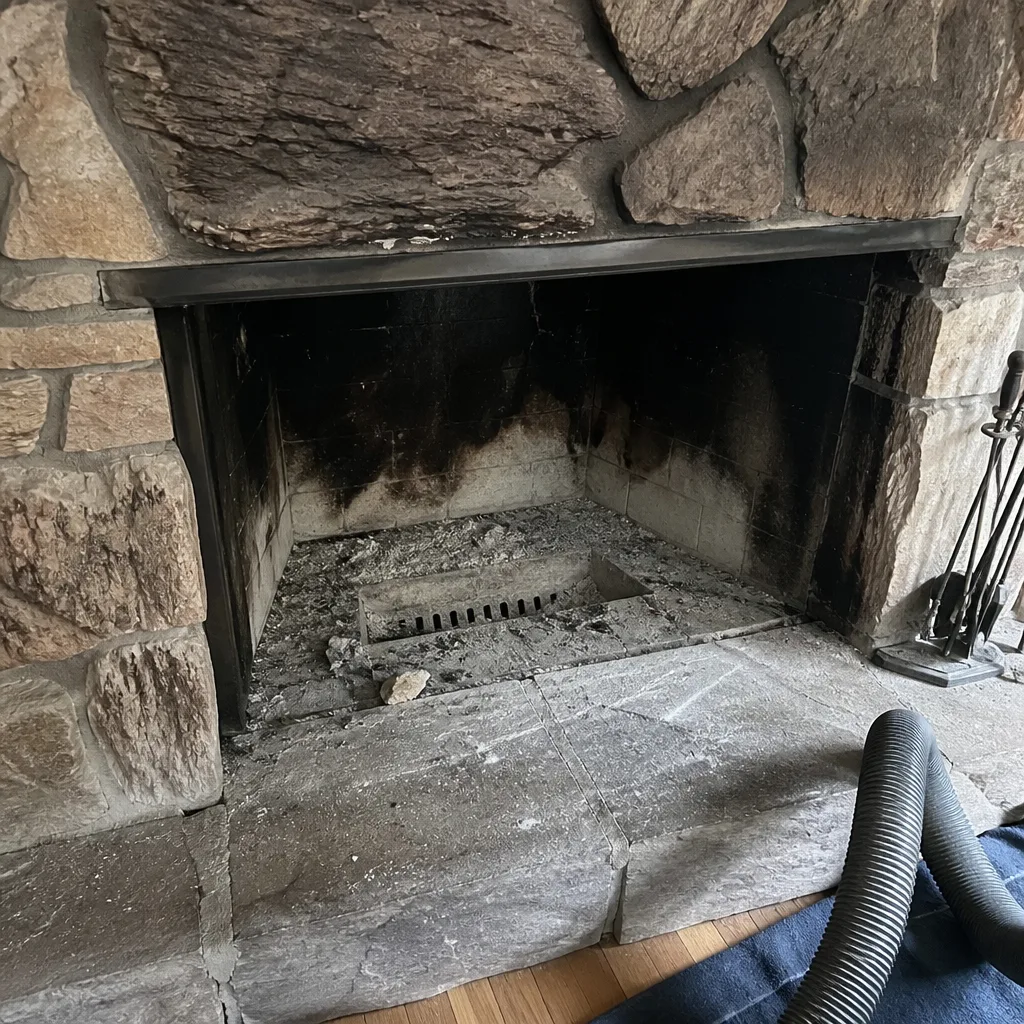 Before
 After
 Before
 After
When to Call a Professional
Call a professional when the symptom is active fire safety (rumbling, smoking into the room, visible cracks in the flue or firebox), when water is entering the chimney, or when you’re due for an annual inspection and haven’t had one yet. Also call if a previous contractor left you unsure what was actually found or what was fixed. You don’t need to call for a light creosote smell in July if everything else is working; that’s a good moment to book a sweep before burning season. Federal Way Chimney Sweep offers free estimates in Federal Way and the surrounding area. Call (855) 658-4385. We answer 24/7. Fast dispatch from 7am to 7pm, Sunday through Friday. Our technicians have up to 14 years of experience, and we document what we find and explain your options before any work begins.
Frequently Asked Questions
A standard chimney sweep in Federal Way typically runs $150 to $300, depending on whether it’s a straightforward cleaning or a cleaning plus camera inspection and photo report. A sweep that uncovers damage will often be combined with a repair estimate at no extra charge. Call (855) 658-4385 for an exact quote – estimates are free and the written estimate sets the final price.
Rain-only smoke is almost always a cap or crown problem letting water into the flue, which cools the exhaust and reverses it into the room. The fix is a properly sized cap and a water-tight crown, not another cleaning. Call (855) 658-4385 to get the top of your chimney inspected.
Not always. A damaged clay flue can often be restored with HeatShield ceramic resurfacing rather than fully replaced, though badly deteriorated flues or missing liners do need a proper DuraFlex retrofit. The right answer depends on what a camera inspection shows. Call (855) 658-4385 – we’ll show you the evidence and tell you what can wait.
Once a year for most wood-burning fireplaces, and more often if you burn frequently or notice a creosote smell between seasons. This climate’s damp wood and long heating season make annual sweeps more important here than in drier parts of the country. Call (855) 658-4385 to book a sweep before burning season.
Creosote builds up, smoke drafts get worse, and the risk of a chimney fire rises with each season of use. Damage to the liner and masonry also progresses silently, which is the more expensive problem. Call (855) 658-4385 before the next burn to get it checked.
Sometimes you can spot black, shiny deposits on the firebox walls or the damper, but you can’t reliably judge stage or severity without looking up the flue. A camera inspection is the only accurate way. Call (855) 658-4385 for a sweep and inspection together.
The Bottom Line
Most chimney symptoms in Federal Way point to a short list of specific causes: water intrusion through a cap or crown, creosote buildup accelerated by the damp climate, a compromised or oversized flue, or a water-damaged liner. The right fix depends on which one you’re dealing with, and the wrong fix (another sweep when it’s a cap problem, for example) costs money without solving anything. Start with a clear description of what you’re seeing and when, then let an inspection confirm it. Documented findings, camera evidence, and a written estimate before any work begins are the standard you should hold any chimney company to, including us.
If you’re ready to get answers about your Federal Way chimney, we can help. Call (855) 658-4385 for a free estimate. We answer 24/7. Fast dispatch from 7am to 7pm, Sunday through Friday. Our technicians have up to 14 years of experience, and we handle everything from routine annual sweeps to structural repairs and liner resurfacing, so you never need a second contractor to finish what an inspection uncovers. Whether you’re in Federal Way or a nearby neighborhood, start with our chimney sweep service and we’ll take it from there.
Written by the team at Federal Way Chimney Sweep.