
Last updated November 24, 2026
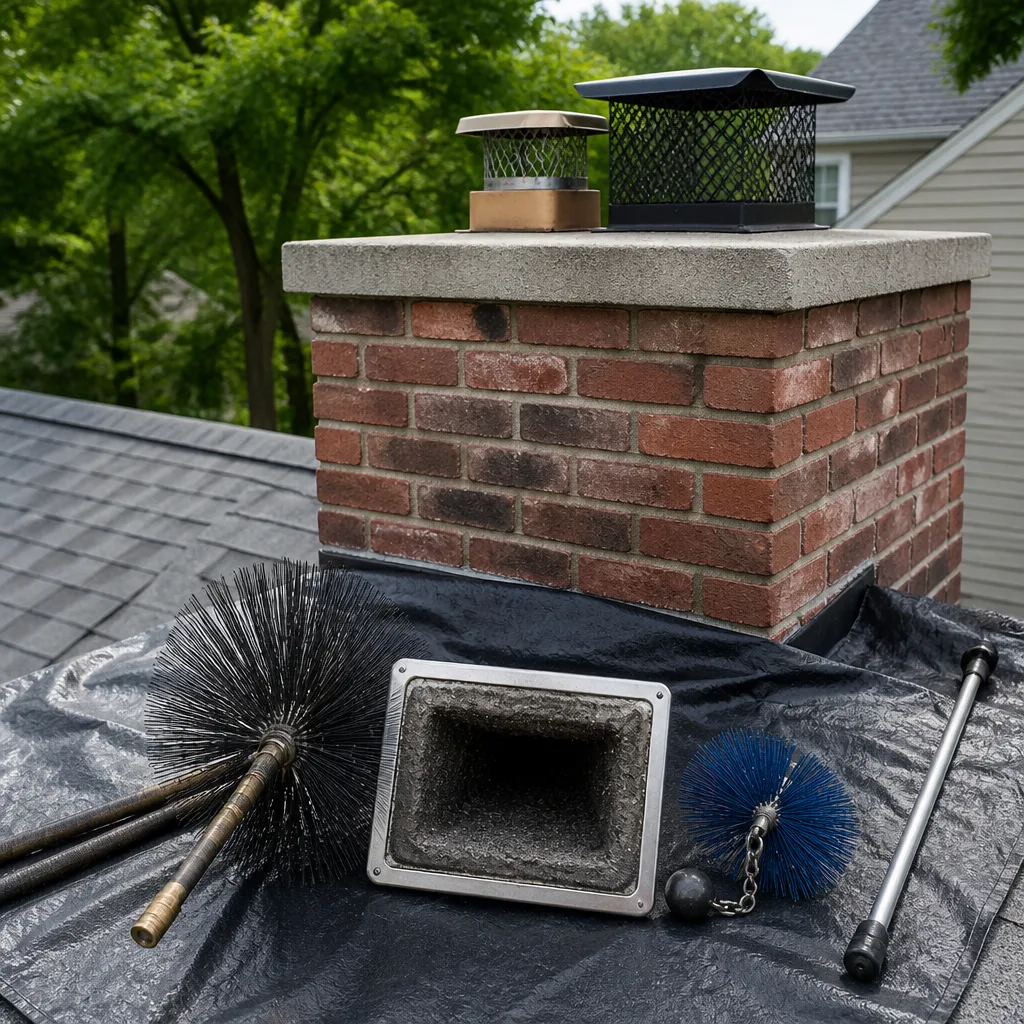 Sweep & inspection
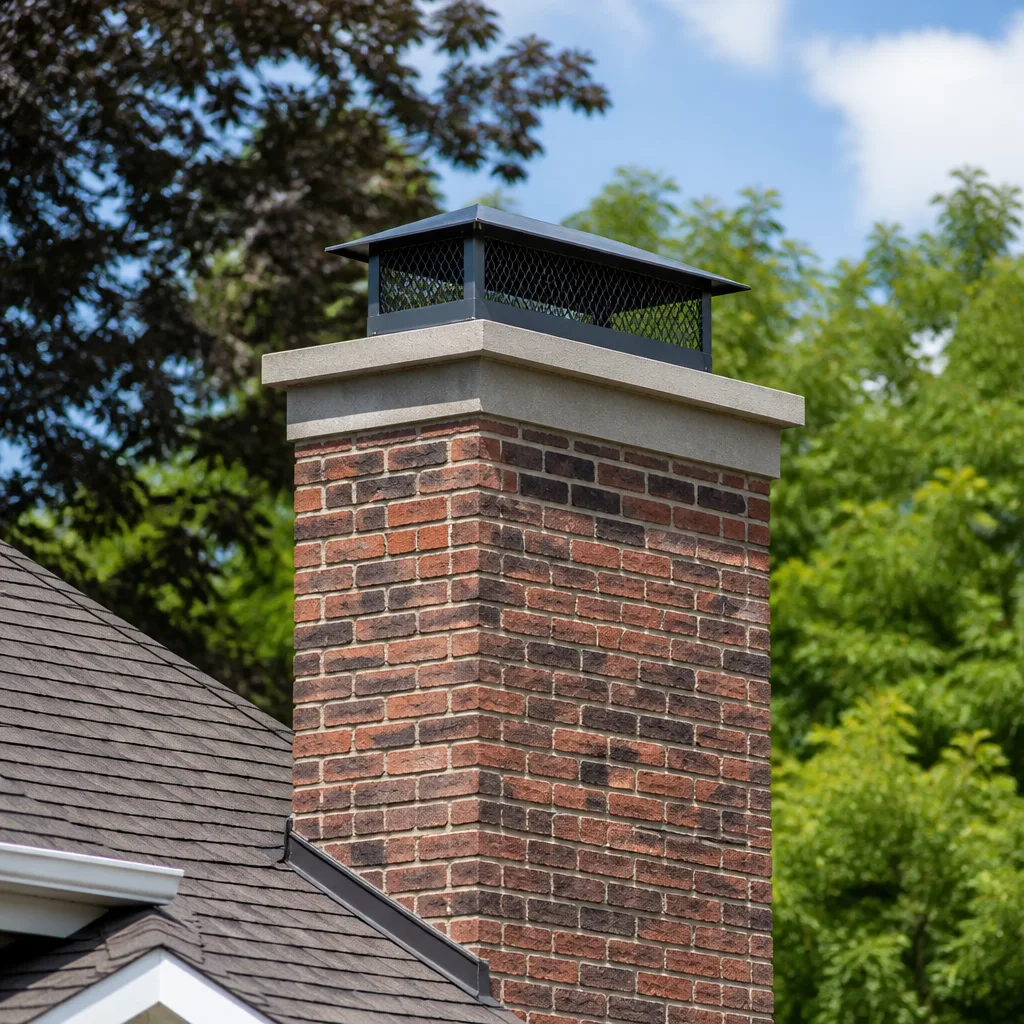 Caps & crowns
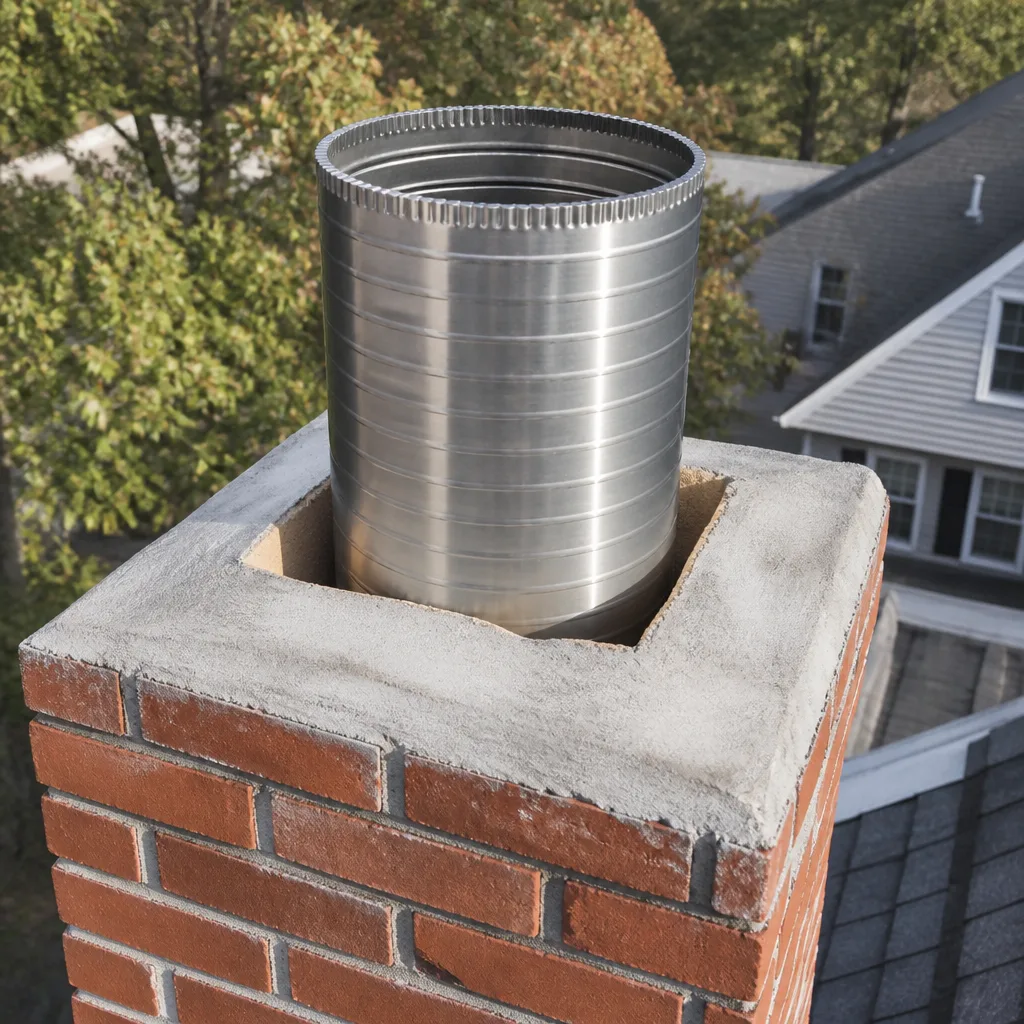 Flue relining
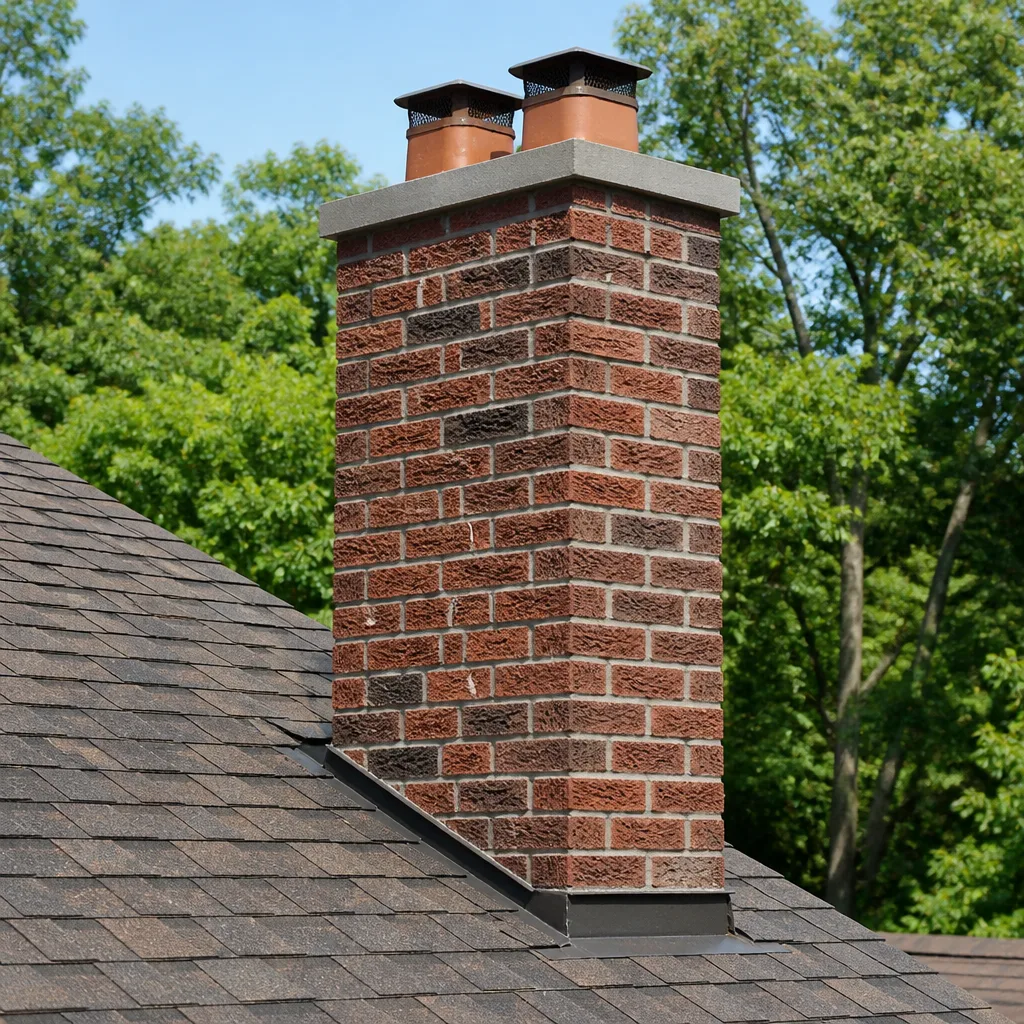 Masonry repair
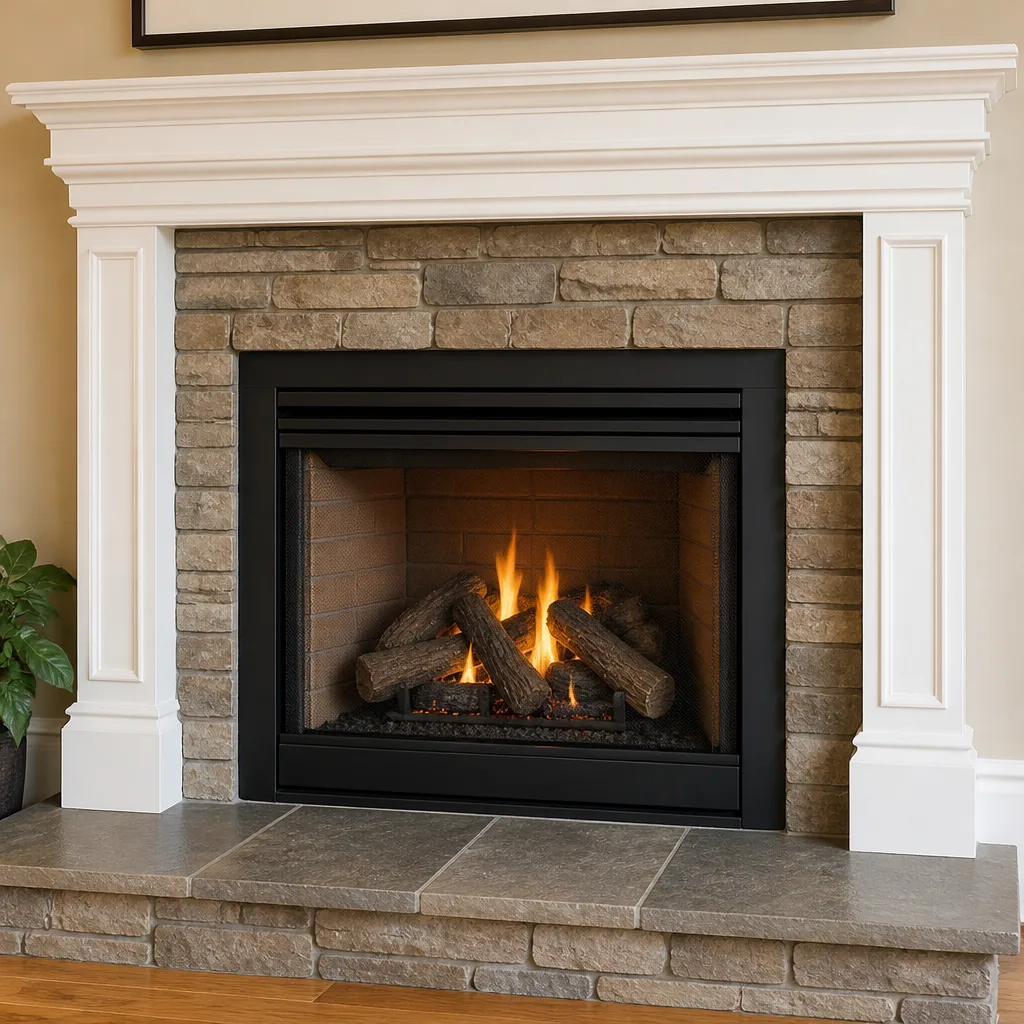 Gas fireplace service
Level 1 sweep and inspection to the NFPA 211 annual standard - flue, crown, cap, and flashing checked and photographed
Chimney sweep logs do not sweep chimneys. They loosen some creosote - which then falls where a brush and vacuum still have to collect it.
DIY vs Professional Chimney Cleaning: The Federal Way Homeowner’s Decision Guide
Chimney brushes are cheap. Video tutorials are convincing. And a homeowner with a ladder, a shop vac, and an afternoon to spare can absolutely get soot out of a firebox. So why does the DIY cleaning debate keep circling back to safety? Because the leading cause of chimney-related house fires isn’t a skipped sweeping – it’s liner damage that only shows up under camera inspection. No consumer brush catches that. This guide maps what a mechanically confident Federal Way homeowner can safely handle, what genuinely requires equipment and training, and what DIY savings actually cost you when the problem it hides finally surfaces.
Quick Answer
You can safely handle basic firebox maintenance yourself – vacuuming ash, wiping down the glass, checking the cap from the ground with binoculars. You cannot safely or effectively clean a flue, evaluate a liner, or detect the hairline cracks and creosote glazing that cause most chimney fires. Professional cleaning in Federal Way runs an estimated $180 to $340 for a standard sweep including a camera inspection, and that inspection is the part DIY can’t replicate. If your chimney hasn’t been professionally inspected in the last year, that’s the call to make first.
Styles & brands we work with
- Sweep & inspection
- Caps & crowns
- Flue relining
- Masonry repair
- Gas fireplace service
Table of Contents
- The Capability Map: What You Can Do vs. What You Can’t
- Why Consumer-Grade Chimney Brushes Fall Short
- Federal Way Housing Stock and the Liner Problem DIY Masks
- Creosote, Glazing, and the Fire Risk You Can’t See
- Insurance and Liability When You DIY in Washington State
- The Real Cost-Benefit of DIY vs Professional Cleaning
- What a Professional Sweep and Inspection Actually Involves
- How Often Should a Federal Way Chimney Be Cleaned?
The Capability Map: What You Can Do vs. What You Can’t
DIY chimney maintenance isn’t all-or-nothing. There’s a real middle ground, and knowing where the line sits keeps you safe without paying for things you can genuinely do yourself. Here’s the honest split.
Tasks a mechanically confident homeowner can safely handle
- Firebox vacuuming. Once the fire is fully out and the ash has cooled for at least 24 hours, a shop vac with a fine-particle filter clears the firebox floor and the ash pit. This is straightforward and worth doing between sweeps.
- Damper lubrication. A stiff damper that grinds or sticks is often a dry pivot. A few drops of high-temperature graphite or silicone lubricant on the damper hinge, working it open and closed a few times, restores smooth operation.
- Exterior cap check. From the ground with binoculars, look for a missing or rusted cap, a cracked crown, or birds nesting in the flue. Spotting a problem early is exactly what a homeowner should do – it’s fixing it that requires a ladder and training.
- Glass door cleaning. Sooted fireplace glass cleans up with a damp cloth and a bit of ash paste or a commercial creosote remover made for glass. No risk here.
- Ash removal and disposal. Emptied into a metal container with a tight lid, stored outside away from the house, ash is easy to manage safely.
Tasks that require equipment, training, or both
- Flue sweeping. The flue above the damper is where creosote accumulates in amounts that matter. Reaching it means roof access, the right rod length, and correct brush sizing – none of which home gear reliably provides.
- Camera inspection. The interior of a flue liner cannot be seen with a flashlight from below. Only a camera run down the flue shows cracks, gaps at joints, glazed creosote, or offset tiles.
- Liner evaluation and repair. Once a camera reveals a problem, the repair itself – a HeatShield ceramic resurfacing or a DuraFlex flexible liner retrofit – is skilled trade work.
- Crown and cap installation. Roof-level work at height, with weatherproofing details that determine whether water gets into the chimney for the next decade.
- Firebox and damper repair. Masonry rebuilds, damper frame replacements, and firebox parging are structural repairs, not maintenance.
The line isn’t about intelligence or competence. It’s about equipment and consequence. A homeowner can be perfectly capable and still not own a camera reel that fits a six-inch flue.
Why Consumer-Grade Chimney Brushes Fall Short
Chimney brushes look forgiving – a round bristle head on a long flexible rod. But three specific limitations separate a hardware-store kit from what a professional sweep carries, and each one has real consequences for Federal Way homes.
Rod flex
Consumer brush kits come with thin, flexible rods meant to follow a flue from above. On short, straight flues they work fine. On Federal Way homes with offset flues, an exterior chimney that bends around a roofline, or any run longer than about twenty feet, those rods whip and flex instead of pushing the brush against the walls. The bristles skim rather than scrub. The result looks clean from the firebox – the flue isn’t. Professional rod sets are stiffer, come in longer runs, and hold their shape under load.
Brush sizing
A brush that’s too small doesn’t contact the walls. A brush that’s too large jams, and forced jam is how flues get chipped – especially on older clay tile liners, which are brittle after decades of heat cycling. The correct brush diameter is matched to the flue’s actual interior measurement. Professional sweeps carry multiple brush sizes and pick the one that fits the flue as measured, not as guessed.
Inability to address glazed creosote
Creosote forms in three stages. Stage one is soot and flaky ash – brushing removes it. Stage two is a crusty, tar-like deposit that brushes loosen but don’t fully remove. Stage three is glazed, hard, shiny creosote that has essentially baked onto the liner. A wire brush will not remove it – it skips over the surface. Removing glazed creosote requires chemical treatment (the kind that softens the deposit so it can be brushed off) followed by specialized rotary cleaning. Neither is something a homeowner can safely do from below with a consumer kit. Glazed creosote is also the stage that fuels chimney fires, which makes it the most important deposit on the flue and the one DIY most reliably misses.
Federal Way Housing Stock and the Liner Problem DIY Masks
Federal Way neighborhoods like Twin Lakes, West Campus, and the streets around Steel Lake include a substantial number of homes built between roughly 1975 and 1995. That era of construction brought a specific set of chimney characteristics that shape how a chimney ages – and how DIY cleaning can make that aging harder to see.
What’s typically found in that housing stock
- Clay tile liners with mortar joints every few feet. Those joints crack with heat cycling and settle with the house, which lets creosote and moisture work into gaps that a flashlight won’t show.
- Exterior chimneys on the north and west faces, exposed to the long stretch of cool, wet Puget Sound weather from October through spring. Cold, damp flues accelerate creosote formation on return-to-use and stress masonry at the crown and flashing.
- Crowns made of mortar that were never designed to last fifty years. A hairline crack in the crown lets water in, and water freezing inside the masonry is the single most common cause of chimney deterioration in the region.
- Original fireboxes and dampers showing decades of heat cycling, often with firebrick mortar that has receded and damper frames that no longer seal.
Why DIY cleaning masks the problem
Here’s the part that catches homeowners off guard. A brush sweep – even an imperfect one – removes the surface soot that would otherwise hint at trouble. The flue looks clean from below. There’s no visible staining, no obvious smoke issue, no smell. So the homeowner concludes the chimney is fine, and skips the professional inspection for another season.
Meanwhile, the camera would have shown a spalled tile at the twenty-foot mark, or a joint gap behind the damper the brush ran right past. Those are exactly the conditions that lead to liner failure, and they’re invisible without a scope. Federal Way homes in that 1975 – 1995 band see liner issues at a rate that reflects the age of the material – not the quality of the home. The neighborhood doesn’t matter. The decade does.
When an inspection does surface liner damage, resurfacing is often the honest fix rather than replacement. HeatShield ceramic resurfacing restores a compromised flue from the inside, and for many Federal Way chimneys it’s a real alternative to a full DuraFlex retrofit. You can read more about chimney repair options if a camera inspection has already flagged an issue.
Creosote, Glazing, and the Fire Risk You Can’t See
A chimney fire needs three things: fuel, oxygen, and a heat source. The fire in your firebox provides the last one. The flue provides the first. Glazed creosote is the fuel that turns a routine evening fire into a 2,000-degree flue event that can crack the liner, ignite framing around the chimney, and send flames through the roof. The house fire that follows often starts behind the wall, not in the firebox – which is why firefighters sometimes arrive to find the family already safely outside, unaware anything was wrong.
What creosote looks like at each stage
- Stage 1: soot and flaky ash. Removable with a standard brush. Low fire risk in this state.
- Stage 2: crusty, tar-like deposits. Brushing loosens but doesn’t remove. Medium risk – this is where fire potential starts building.
- Stage 3: glazed, hard, shiny creosote. Looks like black glass. Highly flammable. This stage is the leading cause of chimney fires and cannot be removed by consumer brushing at all.
Carbon monoxide is the quieter risk
A blocked or damaged flue doesn’t just create fire risk – it can backdraft carbon monoxide into the living space. CO is colorless and odorless, which is why working CO alarms on every level of a Federal Way home are non-negotiable if you burn wood. The alarm is a safety net, not a substitute for inspection. If a flue is compromised enough to push exhaust into the house, a camera would have caught it during a routine inspection. DIY cleaning wouldn’t have.
None of this is meant as scare talk. Most chimneys are fine, and most homeowners who burn a cord or two a season will never have a fire event. But the risk concentrates in the flue volume you can’t see, and the only tool that reaches it is a camera. That’s the honest case for professional cleaning – not that DIY is dangerous in the firebox, but that it’s blind above the damper.
Insurance and Liability When You DIY in Washington State
Homeowner’s insurance policies generally cover accidental fire damage, and a chimney fire caused by a maintenance lapse is usually not excluded outright. What changes after a loss is how the claim gets investigated. When a chimney fire happens and there’s a professional inspection on record, the insurer has evidence the system was being maintained – the chimney was swept and inspected, findings were documented, and any recommended repairs were noted. When there’s no inspection on record and the homeowner cleaned the chimney themselves, the investigation turns to whether maintenance was performed correctly and adequately. That’s a much harder question to answer, and it can lengthen a claim, complicate it, or in some cases contribute to a denial if negligence is found.
What “on record” actually means
It’s not a vague assurance. A professional sweep produces documentation – a report noting the date, what was cleaned, what the camera showed, and what condition the flue, cap, crown, and firebox were in. If a HeatShield resurfacing or a DuraFlex retrofit was recommended, that recommendation is on the record too. The paper trail matters because it establishes that the owner acted on professional advice. If a fire happens after that and the recommended work was declined, that’s a different story – but at least the homeowner was informed.
The resale angle
Chimney inspection records also come up during real estate transactions. Buyers and their inspectors ask for maintenance history, and a documented annual sweep is a selling point. A DIY-maintained chimney with no records invites additional scrutiny, sometimes at the worst possible moment – mid-closing.
We’re not insurance advisors, and we won’t tell you your policy will or won’t cover a specific loss. What we can tell you is that a documented inspection is a low-cost way to keep the record clean, and it removes one variable from the equation if something does go wrong.
The Real Cost-Benefit of DIY vs Professional Cleaning
On the surface, DIY looks like a clear win. A brush kit runs less than a single sweep. But the comparison only holds if DIY actually accomplishes what a professional sweep does, and it doesn’t – it accomplishes part of it, and the missing part is where the expensive problems live.
Typical estimated costs in the Federal Way market
- Professional standard sweep with camera inspection: roughly $180 to $340, depending on flue configuration, roof access, and whether the liner is straight or offset.
- Consumer brush kit and shop vac filter: $60 to $150 one-time, plus ongoing rod replacement.
- Camera inspection alone (no sweep): often bundled into a sweep in this market, or quoted separately in the $100 to $200 range.
- HeatShield liner resurfacing (when needed): several thousand dollars, quoted per job after camera inspection.
- Full liner replacement (when resurfacing isn’t viable): higher still, and quoted per job after inspection.
- Cap and crown repair: a few hundred to low four figures depending on the extent of the damage.
Prices vary by job, and the written estimate you receive sets the final number. The important comparison isn’t DIY cost vs sweep cost – it’s DIY cost vs the cost of the camera finding you skipped for several years. A skipped decade of inspections is how a $200 liner maintenance item becomes a several-thousand-dollar replacement.
The realistic annual math
If you burn regularly and clean annually, DIY saves you roughly the price of one sweep per year. If the DIY approach is “clean when it looks dirty, skip the inspection,” the savings compound – but so does the risk. A liner crack that could have been caught and resurfaced with HeatShield in year one becomes a full replacement in year four. The math favors the inspection, not because professionals are magic, but because they see what the homeowner can’t.
When DIY genuinely makes sense
If you burn only a cord or two a year, maintain your firebox carefully, and have the flue professionally swept and inspected annually, you can handle all the between-sweep maintenance yourself – the firebox vacuum, the glass cleaning, the damper lube, the cap check. That’s a sensible split. It’s the “skip the inspection” version of DIY that costs the most.
What a Professional Sweep and Inspection Actually Involves
If you’ve never watched a professional sweep work, the process is worth understanding – partly so you know what you’re paying for, and partly so you can evaluate a sweep when you hire one. Here’s how a thorough job typically goes from start to finish.
- Setup and protection. Drop cloths go down around the hearth, a high-efficiency vacuum is staged, and the firebox is sealed for dust control. This is a clean process, not a messy one.
- Firebox and damper cleaning. Ash and soot are cleared from the firebox floor and the smoke shelf just above the damper. The damper is checked for operation and the frame is inspected for rust.
- Flue sweeping. The correct-diameter brush is run from the top down or bottom up (depending on flue design) and worked through the full length of the flue. The brush sizing is matched to the measured flue, not guessed.
- Camera inspection. This is the step that separates a cleaning from a sweep. A camera reel is run down the flue and the condition of the liner is documented – joint gaps, spalling, cracks, glazed creosote, and any obstruction. The footage is reviewed with the homeowner.
- Crown, cap, and flashing check. From the roof, the crown is checked for cracks, the cap for damage or loss, and the flashing for gaps. These are the water-intrusion points that drive most federal way chimney deterioration.
- Photo report and findings. Everything documented during the visit is explained before any work is recommended. You see the footage. You see the photos. You hear what’s routine and what isn’t.
- Optional in-house repair. If the camera found something to address – a cracked crown that needs a Famco cap and crown work, a liner that could benefit from HeatShield resurfacing, or a firebox that needs fireplace repair – the findings are explained and an estimate is provided. Nothing is done without your approval.
That sequence is what people mean when they say nothing is recommended without camera evidence you can see for yourself. And it’s why waiting is sometimes the right answer – a marginal crown crack might just need monitoring, not immediate work. A good sweep will tell you so.
How Often Should a Federal Way Chimney Be Cleaned?
The standard answer – once per year of active burning – is close to right for most Federal Way households, but the number depends on how you burn and what your chimney looks like when it’s inspected. Here’s a practical breakdown.
- Regular burners (a cord or more per year): sweep and inspect annually. In Federal Way’s cool, wet climate, a cold flue at the start of burning season sees more creosote formation than a flue that stays warm through a burn, so an annual sweep catches deposits before they glaze.
- Occasional burners (a few fires a month): every two years is often enough for cleaning, but annual inspection is still worth keeping. The camera is cheap insurance against slow-developing liner issues.
- Homes with 1975 – 1995 construction and original liners: annual inspection matters more. This housing stock has had decades of heat cycling and is more likely to show joint gaps or hairline cracks that need watching – even if the flue looks clean from below.
- Before any season you plan to burn heavily: sweep first. Deposits from prior seasons don’t get better as they sit.
- After a chimney fire or any flue event: inspection is essential, not optional. Even a small fire event can compromise a liner in ways no visible sign will show.
If you’re in doubt, a chimney sweep with a camera inspection is a reasonable first step. The findings will tell you whether you’re on the annual track or can stretch to two years – and if the flue is clean, we’ll say so.
Common Mistakes to Avoid
- Cleaning the flue from below with a consumer kit and calling it done. A bottom-up sweep with flexible consumer rods skims the surfaces a top-down sweep reaches, and never gives you the camera view of the liner. If your goal is only firebox tidiness, that’s fine – if it’s chimney safety, it isn’t.
- Skipping the camera inspection when you do hire a sweep. A sweep without a camera is not an inspection. If a Federal Way company quotes only the brushing, ask what’s included in the inspection and whether liner condition is documented on footage.
- Using the wrong brush size. Too small misses the walls. Too large chips decades-old clay tile. On the 1975 – 1995 housing stock in Twin Lakes and West Campus, aged tile is brittle and jams are costly.
- Ignoring stage-two creosote until it glazes. Crusty, tar-like deposits can be treated and brushed off. Glazed creosote cannot be brushed off at all and often requires HeatShield resurfacing or a liner retrofit once it’s formed. Catch it at stage two.
- Skipping a professional inspection for multiple seasons because the firebox looks clean. This is the trap. The flue is not the firebox, and cleaning the firebox doesn’t say anything about what’s happening inside the liner twenty feet up.
- Not checking the crown and cap. Federal Way’s fall and winter rain finds every hairline crack. A cracked crown or missing cap lets water into the masonry, and water freezing inside the chimney structure is the most preventable cause of chimney deterioration in this region.
- Cleaning without confirming the fire is fully out. Even 24 hours after a burn, ash pits can hold hot embers. Vacuuming warm ash with a shop vac is a fire and burns risk – confirm the fire and ash are cold before you touch the firebox.
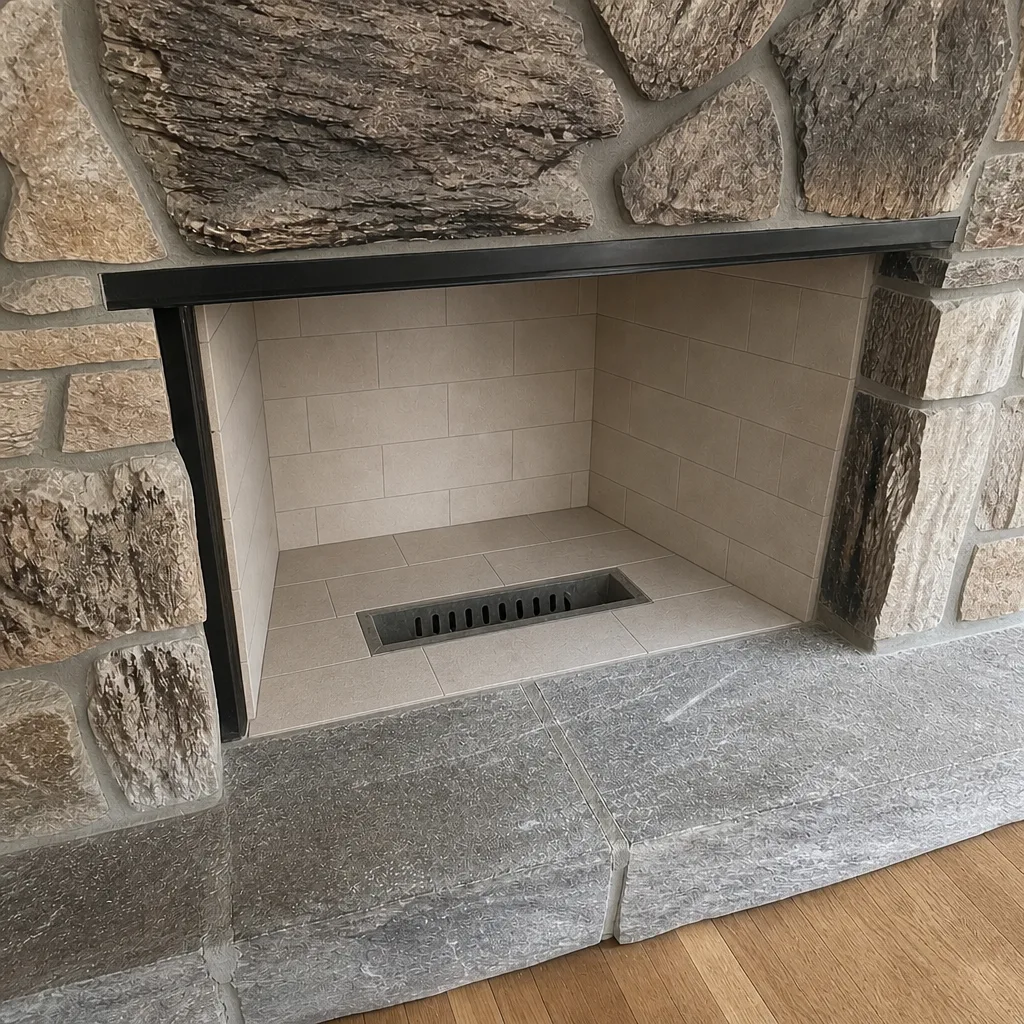
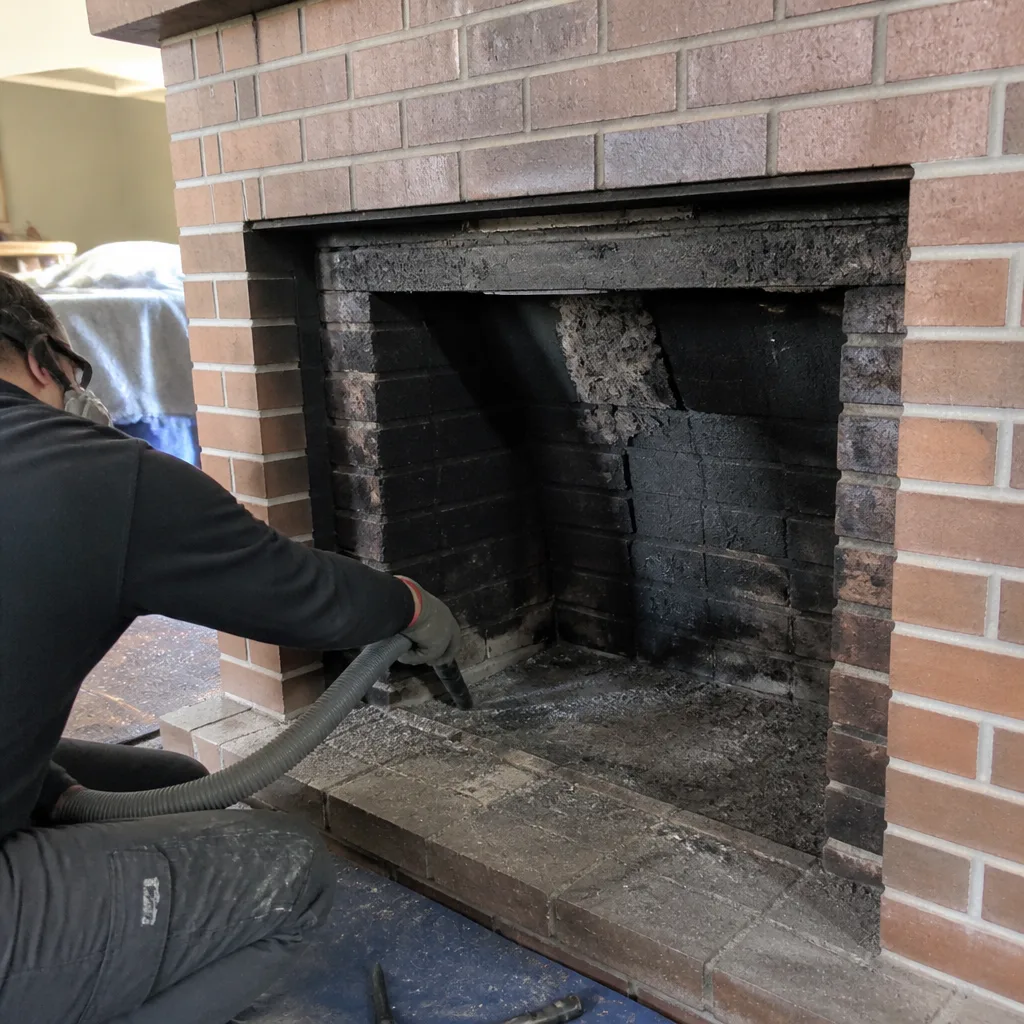
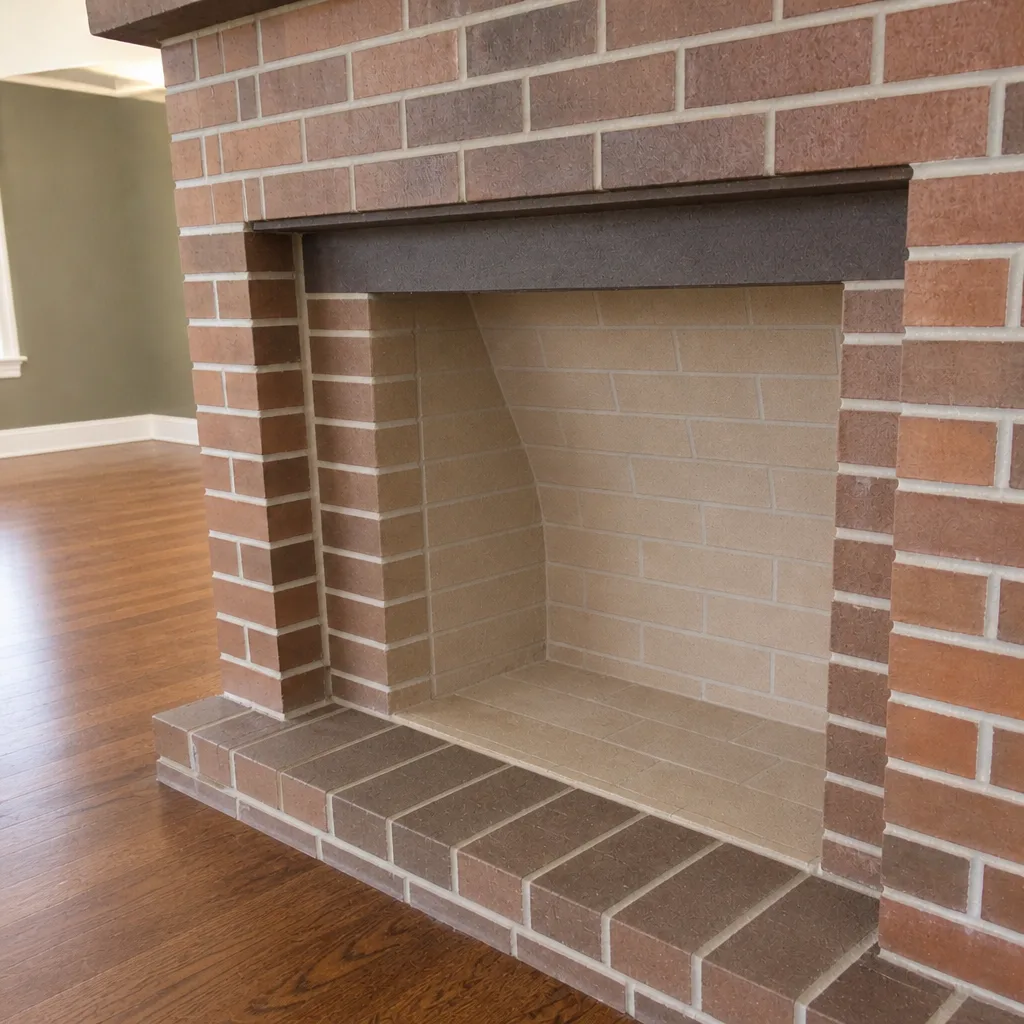
See the difference
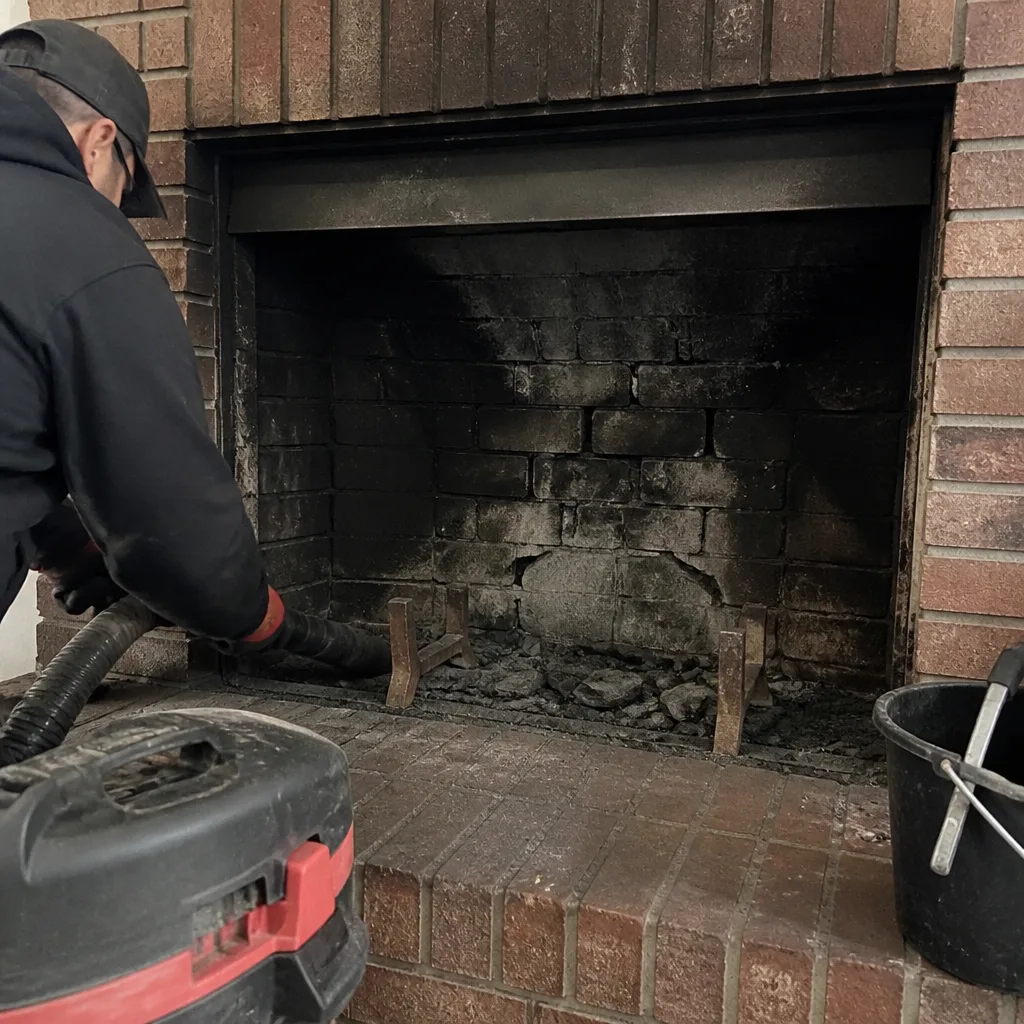 Before
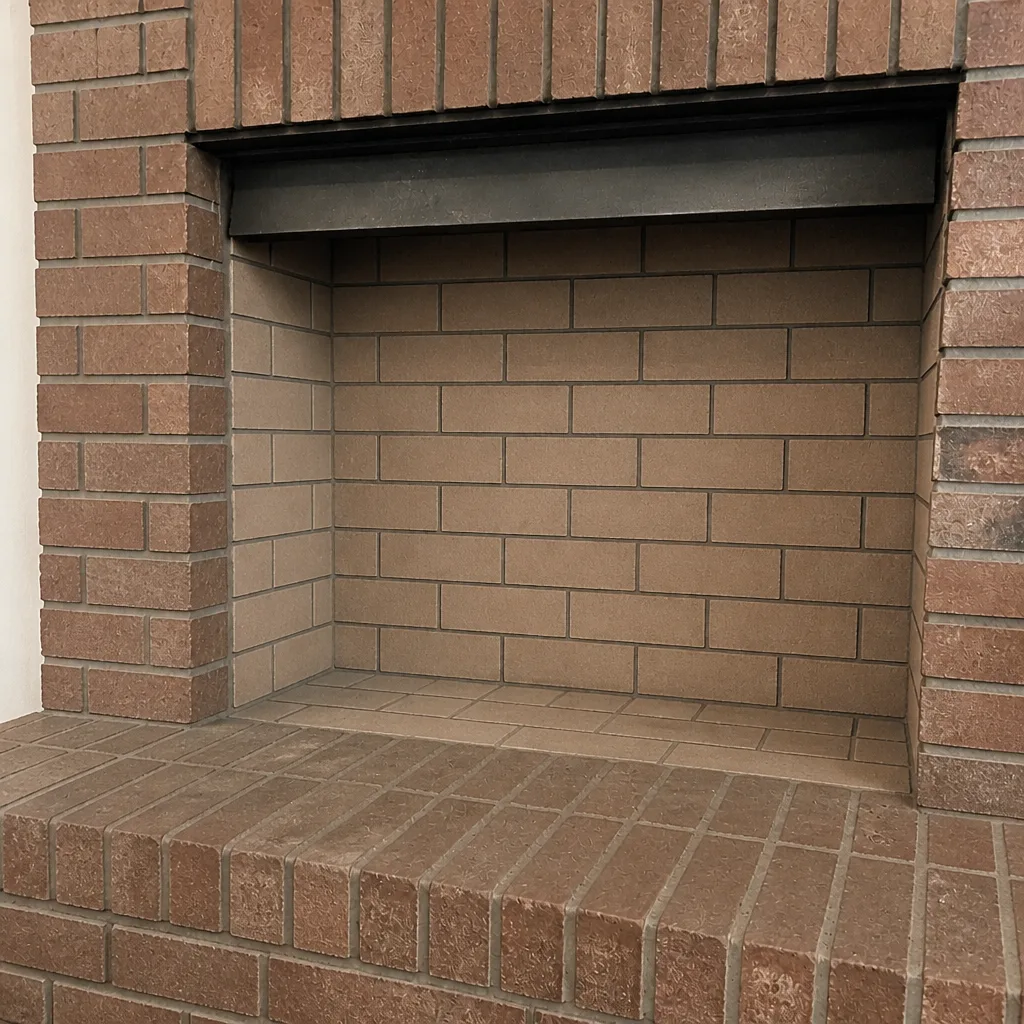 After
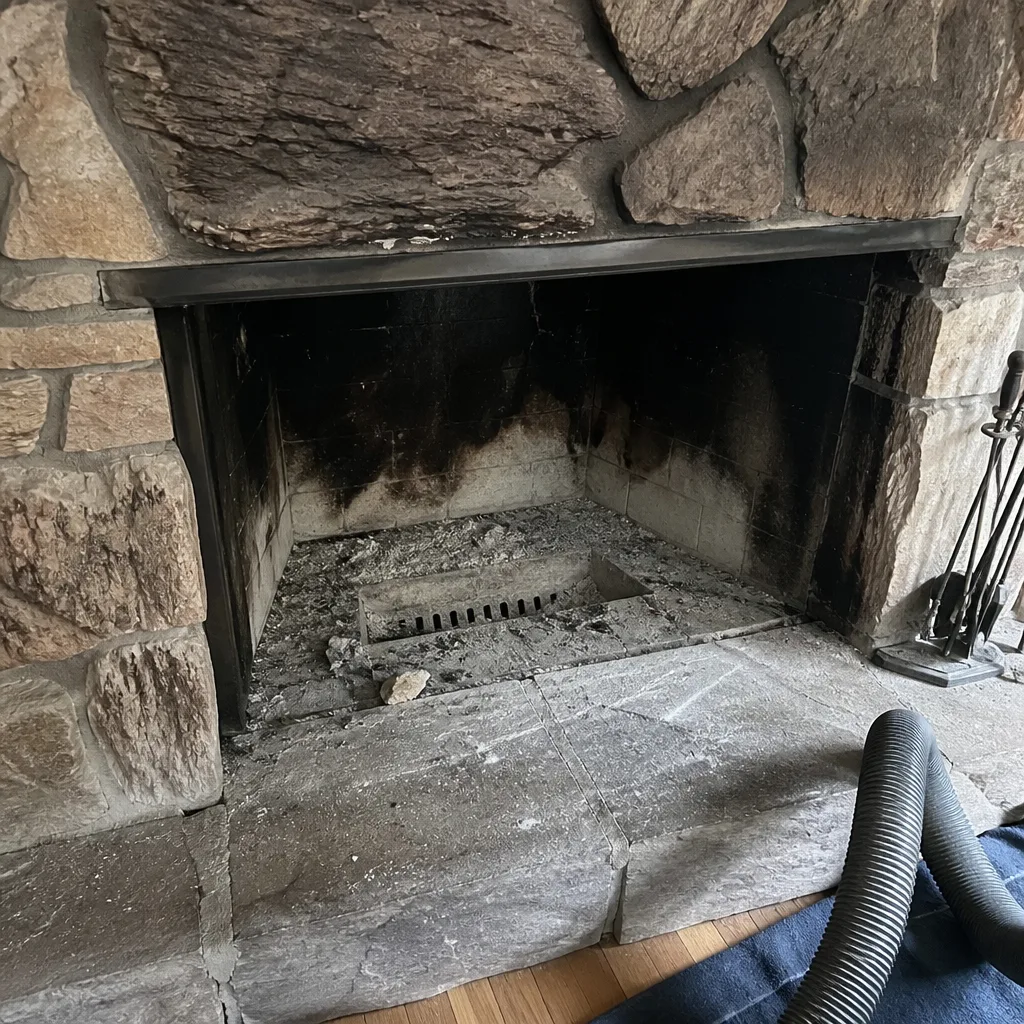 Before
 After
 Before
 After
When to Call a Professional
Some situations belong in a professional’s hands, no matter how handy you are. The firebox is your territory. The flue, the liner, and the roof are theirs. Call a professional if any of the following is true: you’ve never had the chimney inspected, it’s been more than two years since the last sweep, you’ve seen or smelled smoke backing into the room, there’s been a chimney fire, the cap is missing or damaged, the crown is cracked, or the firebox shows receded mortar and spalled brick. If your Federal Way home was built between 1975 and 1995 and has its original liner, that alone is reason enough for a camera inspection.
Federal Way Chimney Sweep offers free estimates in Federal Way – call (855) 658-4385. Our technicians have up to 14 years of experience, and we document what we find and explain your options before any work begins.
Frequently Asked Questions
You can safely clean the firebox, vacuum cooled ash, lubricate the damper, clean the glass, and check the exterior cap from the ground. You cannot safely or effectively sweep the flue or inspect the liner without professional rods and a camera. If you want the flue actually cleaned and the liner actually checked, that’s a professional call.
A standard chimney sweep with camera inspection in Federal Way typically runs an estimated $180 to $340, depending on roof access, flue configuration, and whether the liner is straight or has an offset. A camera inspection alone, when quoted separately, is often in the $100 to $200 range. The written estimate sets the final price – call (855) 658-4385 for an exact quote. Estimates are free.
DIY saves roughly the price of one standard sweep per year, and a consumer brush kit runs $60 to $150 one-time. What DIY doesn’t save is the cost of the problem it misses – a liner crack that could have been resurfaced with HeatShield early becomes a full DuraFlex liner retrofit if it goes unnoticed for several seasons. The annual comparison favors the inspection, not the brush kit. Call (855) 658-4385 for an exact quote if you want to know what a sweep-and-inspect would run at your Federal Way address.
Homeowner’s policies generally cover accidental fire damage, but after a claim the insurer will look at maintenance records. A professional sweep produces a documented inspection that shows the system was being maintained and any findings were disclosed. A DIY-maintained chimney with no records creates a harder question to answer. We’re not insurance advisors, and this isn’t a coverage guarantee, but the record matters. Call (855) 658-4385 to schedule an inspection and get it documented.
Many Federal Way homes – especially in Twin Lakes, West Campus, and around Steel Lake – were built between 1975 and 1995 and have original clay tile liners. Those liners have had decades of heat cycling, and joint gaps or hairline cracks develop as a normal function of age. DIY cleaning can look clean from below while masking those issues because it removes the surface debris that would otherwise hint at trouble. Call (855) 658-4385 for a camera inspection if your home is in that construction band.
No. Glazed creosote is hard, shiny, and baked onto the liner like black glass – a wire brush skips over it rather than removing it. Removing it requires chemical softening followed by specialized rotary cleaning, both of which need professional equipment and training. Left in place, glazed creosote is the leading cause of chimney fires. Call (855) 658-4385 for a sweep and inspection if you suspect a glazed deposit in your flue.
The camera inspection is the biggest part. A professional sweep runs a camera down the full length of the flue, documents liner condition on footage, checks the crown, cap, and flashing from the roof, and reviews findings with the homeowner before recommending work. If the findings call for something – a HeatShield resurfacing, a Famco cap, a Federal Way Chimney Sweep estimate for cap and crown work – you see the evidence and approve it before anything happens. Call (855) 658-4385 to book a sweep and inspection.
The Bottom Line
The DIY vs professional chimney cleaning question isn’t really cost vs safety. It’s capability vs consequence. You can absolutely handle firebox vacuuming, damper lubrication, glass cleaning, and a ground-level cap check – those are genuinely homeowner tasks. What you can’t replicate is the camera run down the flue, and that camera is where the actual risk lives. Federal Way homes built between 1975 and 1995 have liners that are aging in predictable ways, and a DIY sweep that skims the surface removes the clues that would have prompted inspection. A professional sweep with camera documentation is an estimated $180 to $340, and it puts the condition of your chimney on record. That’s a small price for knowing what’s actually in the flue.
If this guide has raised a question about your own chimney, call (855) 658-4385 for a free estimate. We answer 24/7. Fast dispatch from 7am to 7pm, Sunday through Friday.
Written by the team at Federal Way Chimney Sweep.