
Last updated November 24, 2026
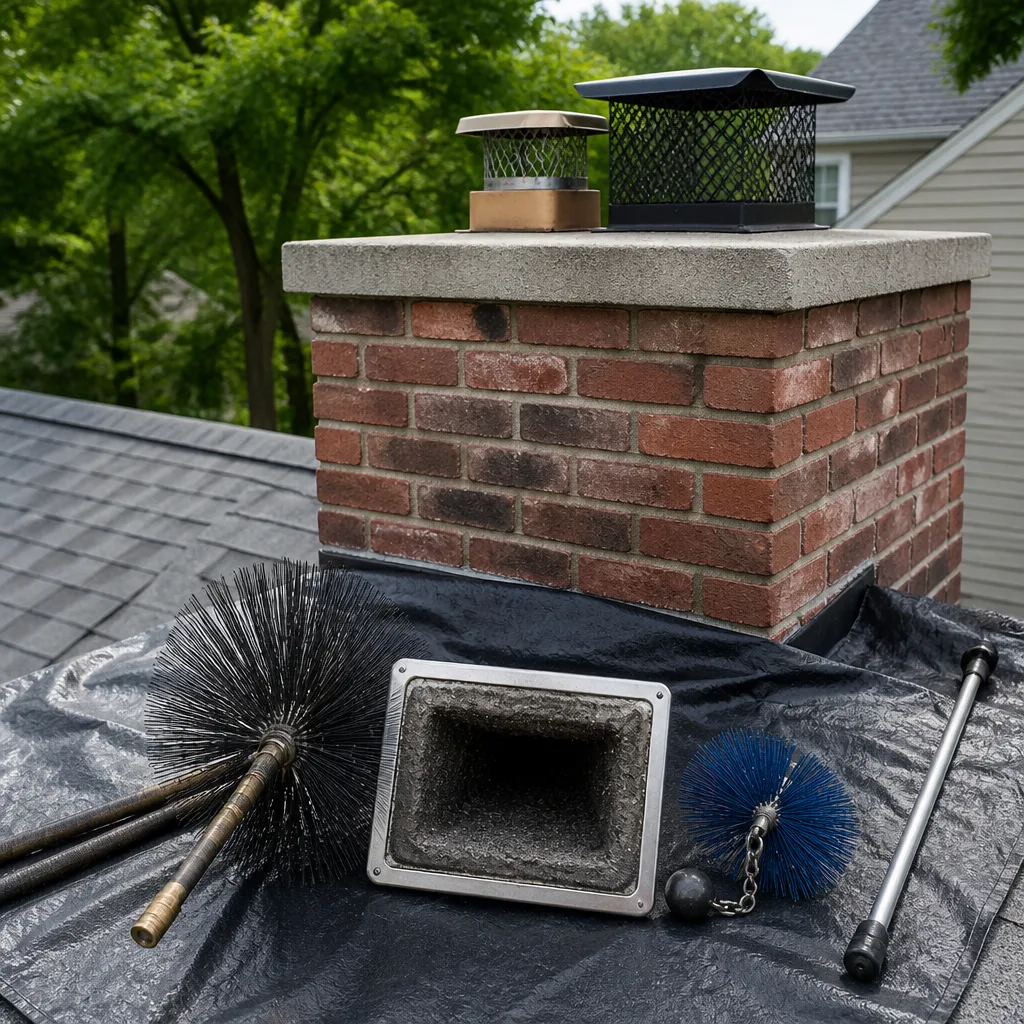 Sweep & inspection
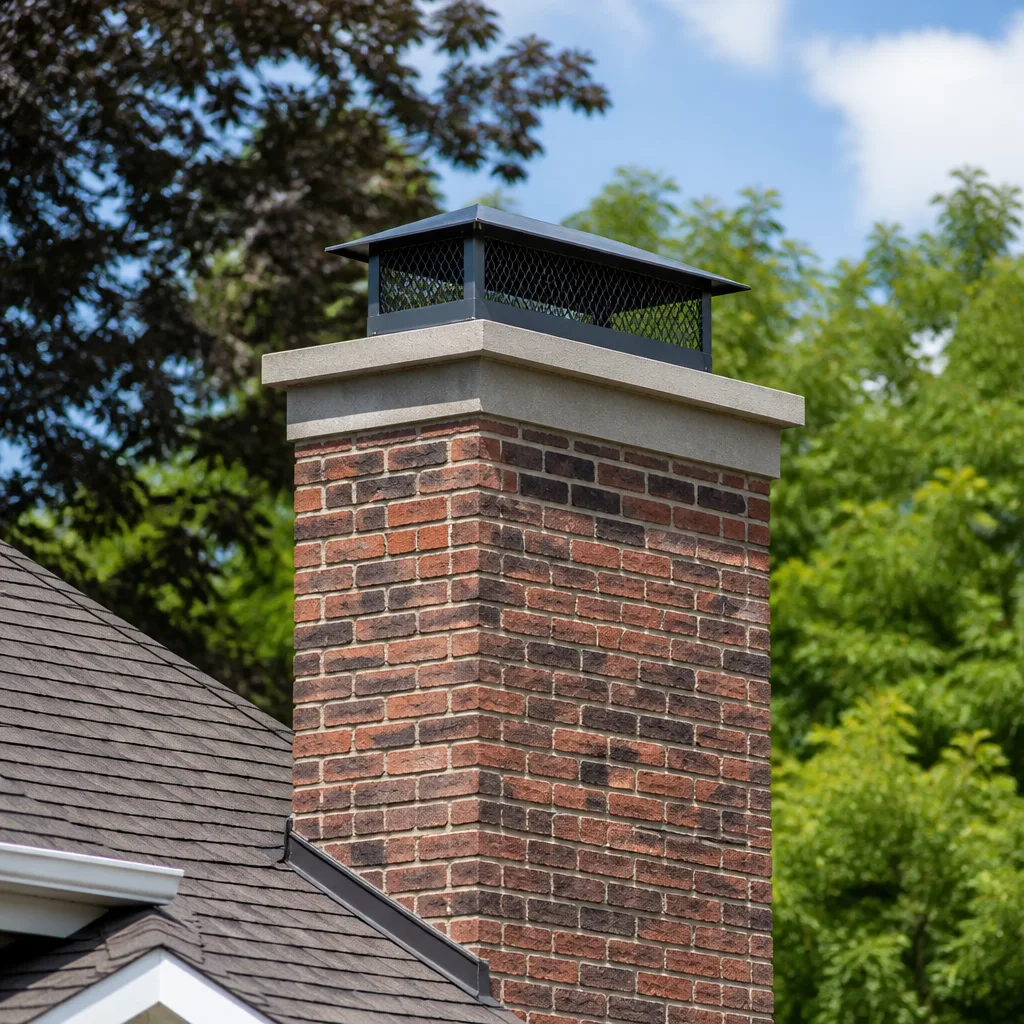 Caps & crowns
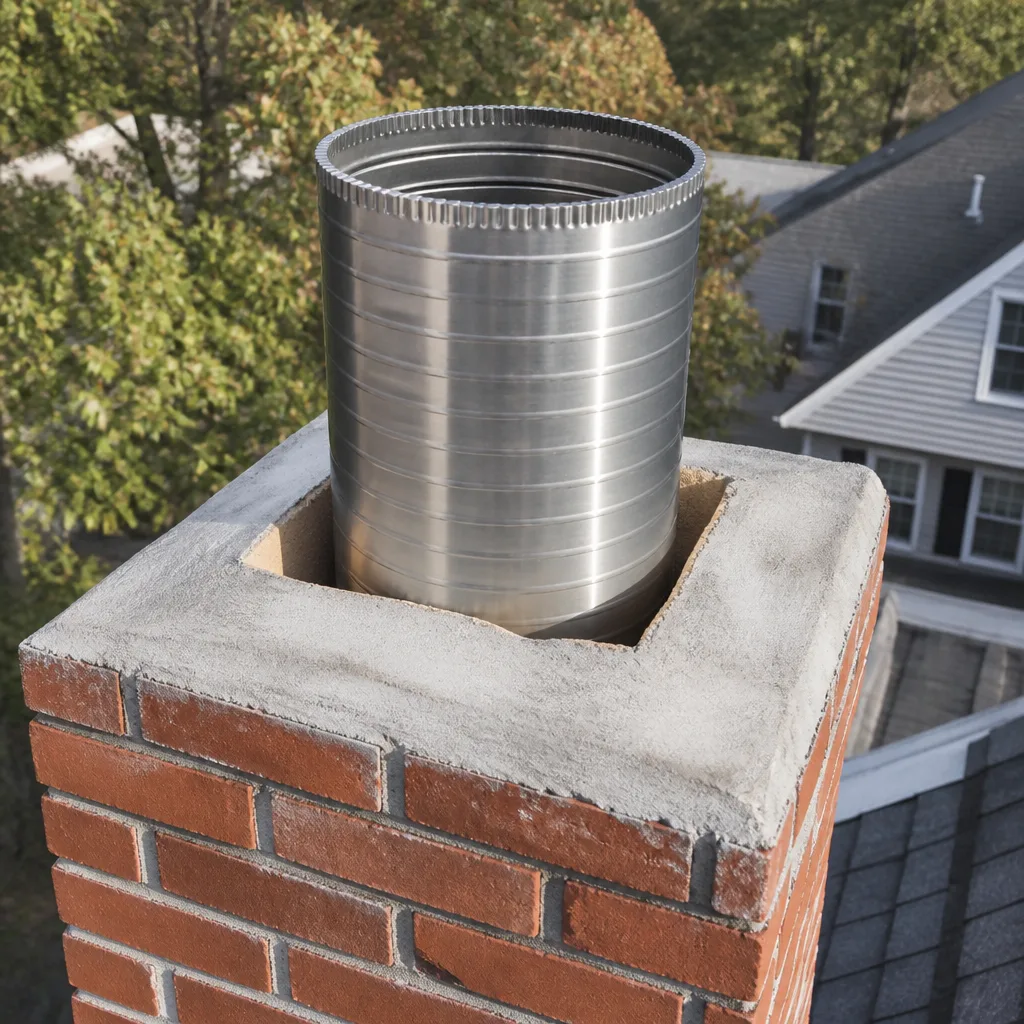 Flue relining
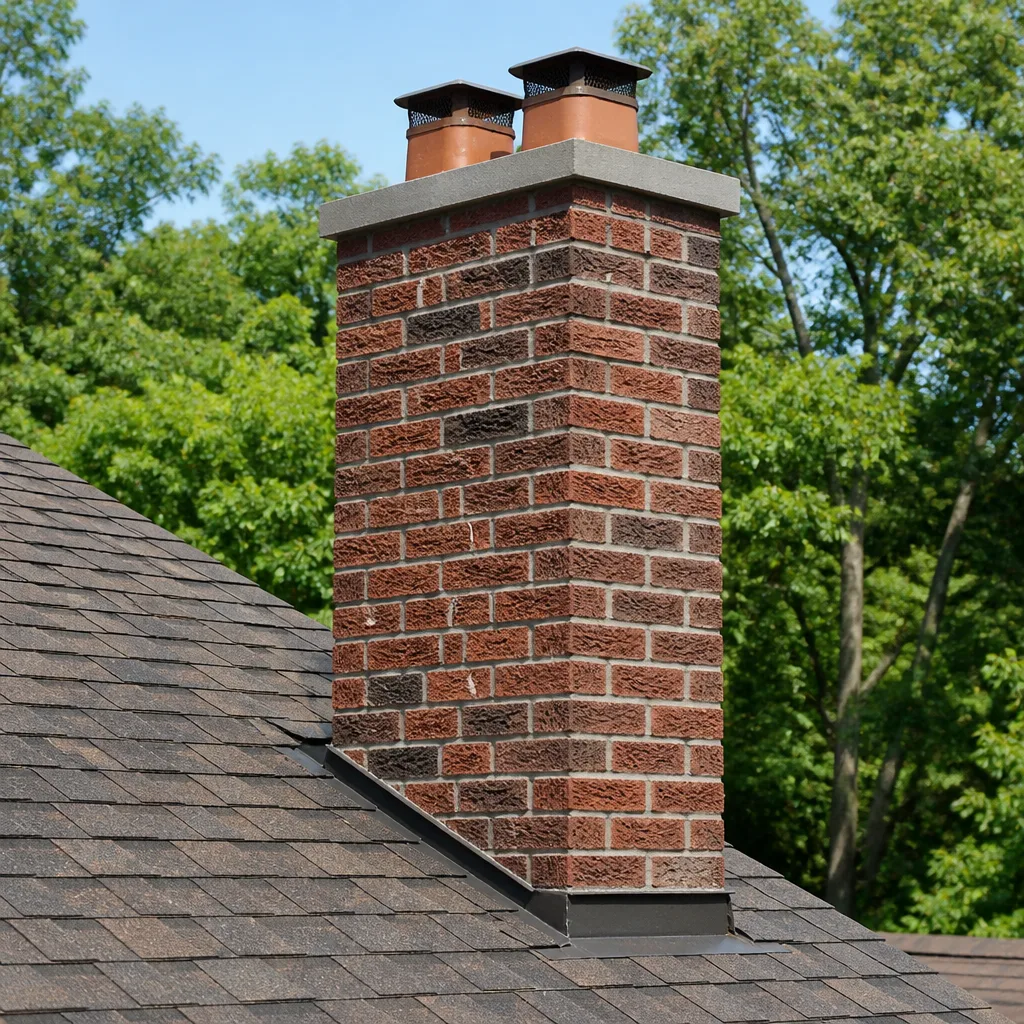 Masonry repair
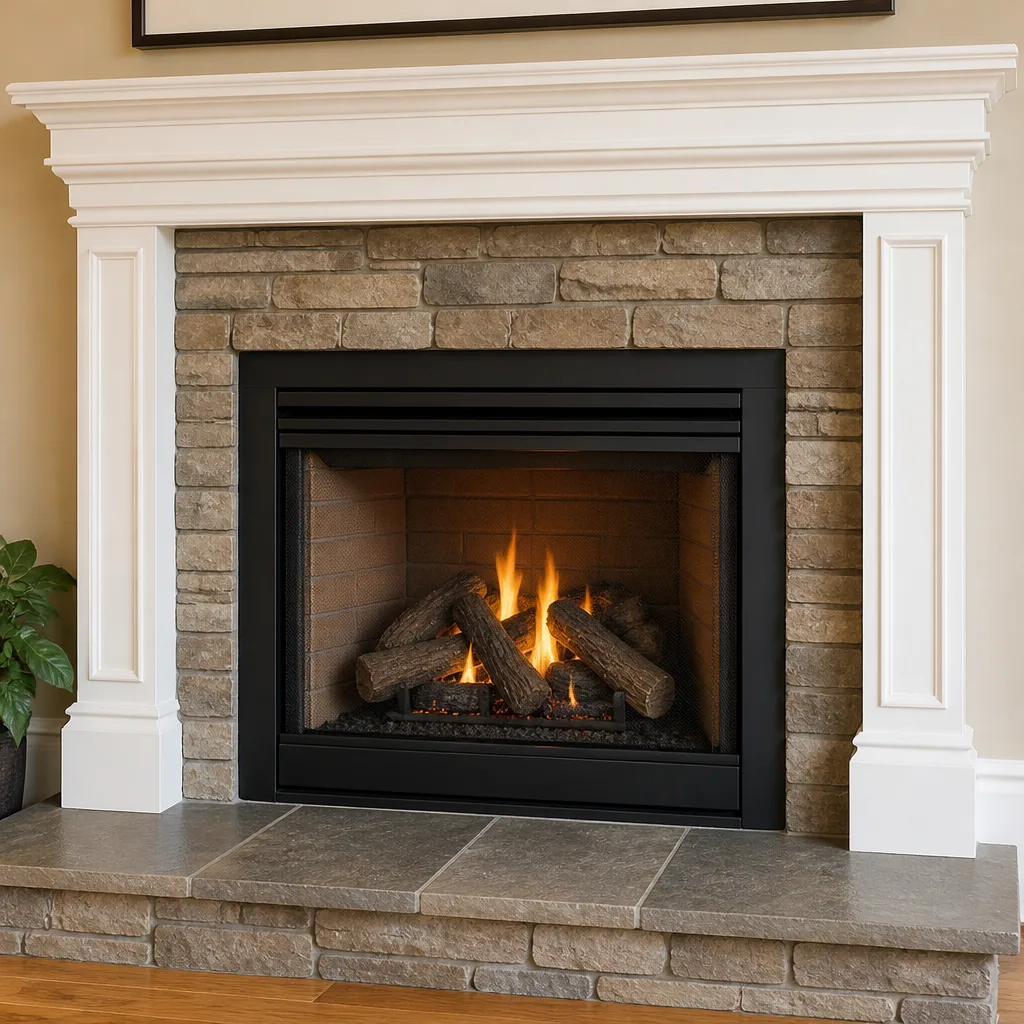 Gas fireplace service
Level 1 sweep and inspection to the NFPA 211 annual standard - flue, crown, cap, and flashing checked and photographed
Chimney sweep logs do not sweep chimneys. They loosen some creosote - which then falls where a brush and vacuum still have to collect it.
Choosing the Right Chimney Cleaning Brand: A Buyer’s Guide for Federal Way
Most homeowners assume chimney products are like paper towels: a cap is a cap, a liner is a liner, and the label barely matters. That assumption costs people in Federal Way. A stainless steel cap that holds up for decades in a dry, sunny climate can rust through in a few short years here, where rain is measured in inches per month, not per year. The brand on the box is not a marketing detail; it’s the difference between a chimney that sheds water and one that quietly absorbs it. This guide walks you through how the professionals actually evaluate chimney products, which specifications matter for Western Washington, and the questions that separate a good recommendation from a convenient one.
Quick Answer
Choosing the right chimney product brand in Federal Way comes down to matching the material grade and system type to our wet, temperature-swinging climate: 316 stainless steel for caps and liners that see constant moisture, cast-in-place resurfacing systems when the existing flue is sound but worn, and stainless flexible liners when it isn’t. The brand matters less than whether the installer can explain why that specific product fits your chimney’s documented condition. A contractor stocked with only one product line will tend to recommend that line regardless of fit.
Styles & brands we work with
- Sweep & inspection
- Caps & crowns
- Flue relining
- Masonry repair
- Gas fireplace service
Table of Contents
- Why Brand Selection Matters More Than You Think in Federal Way
- How to Evaluate Chimney Cap Materials for Our Climate
- Liner System Brands and the Cast-in-Place vs. Stainless Flex Question
- What to Look For in a Chimney Damper Product
- Is the Recommendation About Your Chimney or Their Supplier?
- Warranty Questions Worth Asking Before You Sign
- Why the Whole Chimney System Needs to Be on the Table
Why Brand Selection Matters More Than You Think in Federal Way
Federal Way sits in a climate that punishes outdoor building products. Rain falls heavily across the cool months, humidity hangs in the air most of the year, and temperatures swing from mild to near-freezing and back within days. That combination is hard on anything metal and exposed, and a chimney cap sits at the very top of the house, taking the full force of it. Add to that the ordinary wear from wood smoke, creosote residue, and the occasional wet, windy night, and you start to see why the material grade inside a product matters as much as the product category.
There’s a second reason brand selection matters. A chimney is a system, not a stack of unrelated parts. The cap, crown, flue liner, damper, firebox, and smoke chamber all interact. When one component is specified poorly, it stresses the others. A cap that fails and lets water in damages the crown, which damages the masonry, which eventually puts stress on the liner. Choosing well at the point of installation keeps the rest of that chain intact.
The third reason is the one homeowners rarely hear about. Not every contractor carries multiple product lines. Some work with a single supplier because of pricing arrangements, and their recommendations naturally follow what’s on their shelf. That’s not automatically dishonest, but it is a reason to ask how the recommendation was reached. In Federal Way, where moisture exposure is the dominant failure driver, a recommendation should trace back to your chimney’s documented condition, not a catalog page.
How to Evaluate Chimney Cap Materials for Our Climate
Chimney caps fail in Federal Way mainly because of moisture and the freeze-thaw cycle, not wind. Understanding the material grades is the fastest way to make a smart choice.
304 vs. 316 stainless steel
Both 304 and 316 are stainless steels, and both look similar on a spec sheet. The difference is the alloy composition. 316 stainless contains molybdenum, which makes it notably more resistant to chloride and moisture-driven corrosion. In a consistently damp climate, and especially on a home near a busy road or industrial area, 316 is the more durable choice for a chimney cap or liner. 304 is fine for dry environments and budget-conscious installs, but it’s more likely to develop surface corrosion over time here. Neither will fail immediately; the question is which one you’ll still be happy with a decade down the road.
When galvanized is a false economy
Galvanized steel caps are the cheapest option on the shelf and the shortest-lived in our climate. The zinc coating that protects the steel gets consumed by moisture far faster than a stainless alloy holds up, and once the coating is compromised, rust spreads quickly. In Federal Way, a galvanized cap is typically a placeholder, not a long-term solution. Homeowners often buy one, replace it in a few years, then buy another. Two or three of those cycles cost more than one properly specified stainless cap.
What else to look at
- Mesh size: a cap’s screen should keep sparks in and wildlife out without restricting airflow. Fine mesh clogs with creosote faster in heavy-burn seasons.
- Fasteners: stainless bolts and brackets last; zinc-plated ones are the first thing to fail.
- Fabrication style: welded or formed caps with clean seams shed water better than bolted-together units with exposed edges.
- Brand accountability: Famco and Copperfield caps are made by manufacturers known for chimney weatherproofing specifically, which is a different focus than a general sheet metal shop.
The best cap for a Federal Way chimney is the one rated for the local moisture load, not the one with the lowest sticker price. A cap and crown installation done well is the single most effective thing you can do to keep water out of your chimney, and the material grade is where that starts.
Liner System Brands and the Cast-in-Place vs. Stainless Flex Question
A flue liner is the barrier between the inside of your chimney and the combustible parts of your house. When it’s compromised, the chimney can’t safely vent. The interesting part, and the part most homeowners never hear, is that you don’t always need a full liner replacement. The right answer depends on what the liner is actually doing. Here are the main paths.
Cast-in-place resurfacing
Cast-in-place systems, of which HeatShield is the best-known example, restore a damaged liner from the inside by applying a refractory coating to the existing flue surface. When the existing liner has cracks, gaps, or surface deterioration but is structurally sound, resurfacing can often restore it without the cost and disruption of a full liner replacement. This is the “restore, don’t just clean” option, and it’s underused because many contractors don’t carry the system. Federal Way homes with older masonry chimneys are common candidates when the damage is surface-level rather than structural.
Stainless flexible liners
When the existing flue is badly compromised, mis-sized for the appliance, or simply missing, a stainless flexible liner is the right answer. DuraFlex and Olympia Chimney are two of the brands commonly specified for this work. A flexible liner gets properly sized to the appliance, provides a continuous and code-compliant flue, and can be installed inside an existing masonry chimney without a full rebuild. It’s the choice when restoration won’t hold up.
How to decide which is right for your Federal Way home
- Start with a camera inspection of the flue. Nothing else is useful until you know what’s actually inside.
- Look at the report: cracks, gaps, spalling, misalignment, missing sections. The severity determines the path.
- If the damage is surface-level and the liner is structurally intact, resurfacing is often the better fit.
- If the liner is missing, badly compromised, or wrong-sized for the appliance, a stainless flex liner is usually the answer.
- Ask the contractor to explain the reasoning in plain language. If they can’t, that’s a signal about their confidence in the recommendation.
The point of a chimney repair conversation isn’t to sell you the most expensive option. It’s to match the solution to the documented condition. We’d rather restore a liner that can safely be restored.
What to Look For in a Chimney Damper Product
The damper is the part of a chimney most homeowners never think about, and the part that quietly affects efficiency and moisture control all year long. It’s a flap, usually at the top of the firebox or the top of the flue, that seals the chimney when the fireplace isn’t in use. A well-sealed damper keeps conditioned air inside the house and keeps damp outside air from moving down the flue. A leaking damper does the opposite, and in a climate with as much moisture as Federal Way’s, the consequences show up in the firebox and smoke chamber.
When evaluating a damper product, three things matter:
- Seal quality: rubber gaskets and machined seating surfaces are what make a damper close tight. A metal-on-metal flap without a gasket leaks air even when it’s “closed.”
- Corrosion resistance: dampers live in a moist, acidic environment. Aluminum and stainless components hold up; cheaper alloys pit and seize.
- Ease of service: a damper that can’t be inspected or serviced from inside the firebox costs more over its life than one that can. Ask how it’s accessed.
The temperature swings here matter too. A fireplace that’s actively used during the cold months and idle during the warmer ones sees the damper cycle between hot, cold, wet, and dry repeatedly. That’s a harder life than a damper in a climate with steady temperatures. Choose a product that can handle the cycling, and have it checked when the chimney is swept or the fireplace is serviced.
Is the Recommendation About Your Chimney or Their Supplier?
Most homeowners have no way to tell whether a product recommendation is well-founded or just convenient. It’s the central trust question in this trade, and you deserve a way to evaluate it.
Signs the recommendation reflects your chimney
- The contractor showed you photos or camera footage of the condition that prompted the recommendation.
- They described the product by its material grade and construction, not just the brand name.
- They explained why a lower-cost option was ruled out, not just why the higher-cost one was recommended.
- They offered at least two viable paths when both existed, with the trade-offs spelled out.
- The recommendation includes products from more than one manufacturer, chosen for reasons tied to the condition.
Signs the recommendation reflects the supplier
- The same product line comes up regardless of the condition being discussed.
- You’re told the condition is serious but shown no evidence beyond a verbal description.
- The lower-cost option is dismissed in a way that doesn’t hold up to questions.
- The contractor can’t explain why a different product would or wouldn’t work.
In our experience, the strongest installers are the ones who show you what they found before they recommend anything. We document what we find and explain your options before any work begins. That’s not a sales technique; it’s the only way a homeowner can meaningfully consent to the work. If a Federal Way contractor can’t or won’t put the evidence in front of you, ask why before you sign.
Warranty Questions Worth Asking Before You Sign
“Lifetime warranty” sounds like the whole story, and it almost never is. Most chimney product warranties are limited by the manufacturer, they’re conditioned on professional installation, and the manufacturer is often in another state. If the product fails, your warranty claim lands on a company you’ll never speak to directly, mediated by the local contractor who installed it.
Here are the questions worth asking before you sign anything:
- Who backs the warranty? The manufacturer, the installer, or both. Get the answer in writing.
- What voids it? Common exclusions include installation outside the product’s specified use, modifications after installation, and lack of documented maintenance. Ask which exclusions apply to your install.
- What does the installer commit to? Labor, labor plus materials, or materials only. Many “lifetime” warranties cover the product and not the labor to replace it.
- How do I make a claim? Ask for the process in writing. If the manufacturer is out of state, the installer is your point of contact, and you want that in writing too.
- What maintenance keeps it valid? Annual inspection and sweeping is the standard answer in this trade. Ask whether documentation of annual service is required.
None of this is a reason to avoid a product. It’s a reason to know what you’re buying. Both Famco and Copperfield, for example, are known for weatherproofing components and back their products with manufacturer warranties, but the terms vary. Read them. If the language is unclear, ask the contractor to walk through it with you.
Why the Whole Chimney System Needs to Be on the Table
A chimney isn’t just a cap and a liner. It’s a firebox, damper, smoke chamber, flue, crown, and cap that all need to work together. One common path Federal Way homeowners run into is this: the cap is replaced, the liner is fine, but the crown has a crack the contractor never looked at, and the water that damages the chimney next winter comes in through the crown. Meanwhile, the contractor has already left, so the homeowner calls a second trade to fix the crown. That’s how one problem becomes three.
The alternative is to look at the whole system in one visit. From the firebox to the crown, we service the entire chimney system: sweeping, inspection, fireplace repair, chimney repair, and cap and crown installation. Findings from the inspection are addressed by the same team that did the inspection, and that eliminates the gap between diagnosis and repair that lets small problems turn into expensive ones. A single call handles the chimney sweep, and if the inspection turns up more, it’s fixed in the same conversation instead of waiting on a second visit from a different contractor.
That’s also the practical reason a fireplace repair belongs on the table when a Federal Way homeowner calls for a sweep. A smoky fireplace, a stuck damper, or a damaged firebox often has a cause higher up in the flue. Fixing the firebox without checking the flue only pushes the problem back a season.
Common Mistakes to Avoid
- Buying a galvanized cap to save money. In Federal Way, it’ll rust through long before a proper stainless cap would. The replacement cost over a decade is higher than the original savings.
- Choosing a liner brand without knowing the condition of the existing flue. Resurfacing is often the right answer when the liner is structurally sound, and a full replacement can be the wrong one. The camera inspection decides, not the catalog.
- Assuming “stainless steel” means the same thing across products. 304 and 316 stainless behave very differently in a damp climate, and a spec sheet that just says “stainless” hasn’t told you much.
- Replacing the cap without inspecting the crown. A cap keeps water out of the flue; the crown keeps water out of the masonry. Both matter, and they’re cheapest to fix together.
- Skipping the warranty questions because the price already looks good. Some “lifetime” warranties cover only the product and not the labor, and some are voided by undocumented maintenance.
- Taking a single contractor’s recommendation as the only option. A contractor who carries one product line may be honest and still miss the better fit. Ask for the reasoning, not just the recommendation.
- Calling a general handyman to install a cap or liner. Chimney products are specified for chimney conditions. Generalists can install them, but the reasoning behind the specification is where a chimney specialist earns their keep.
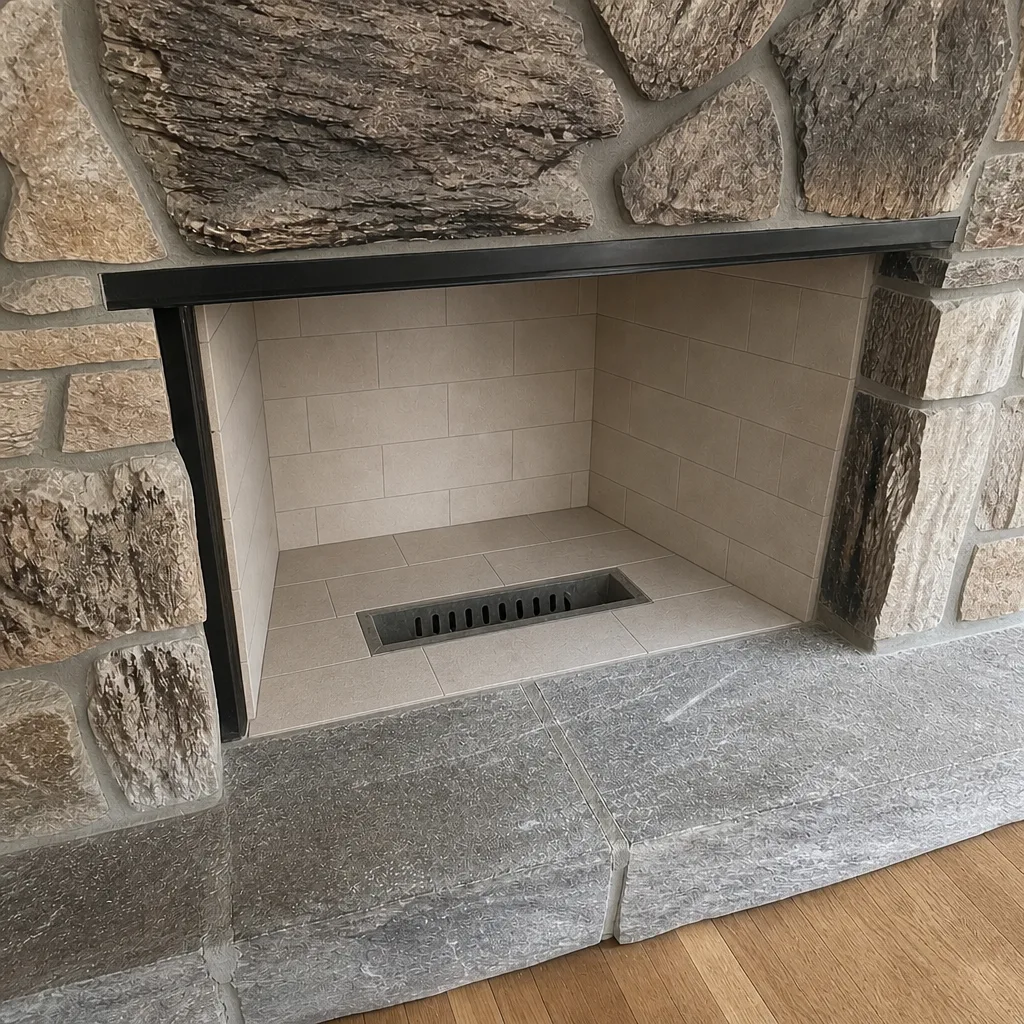
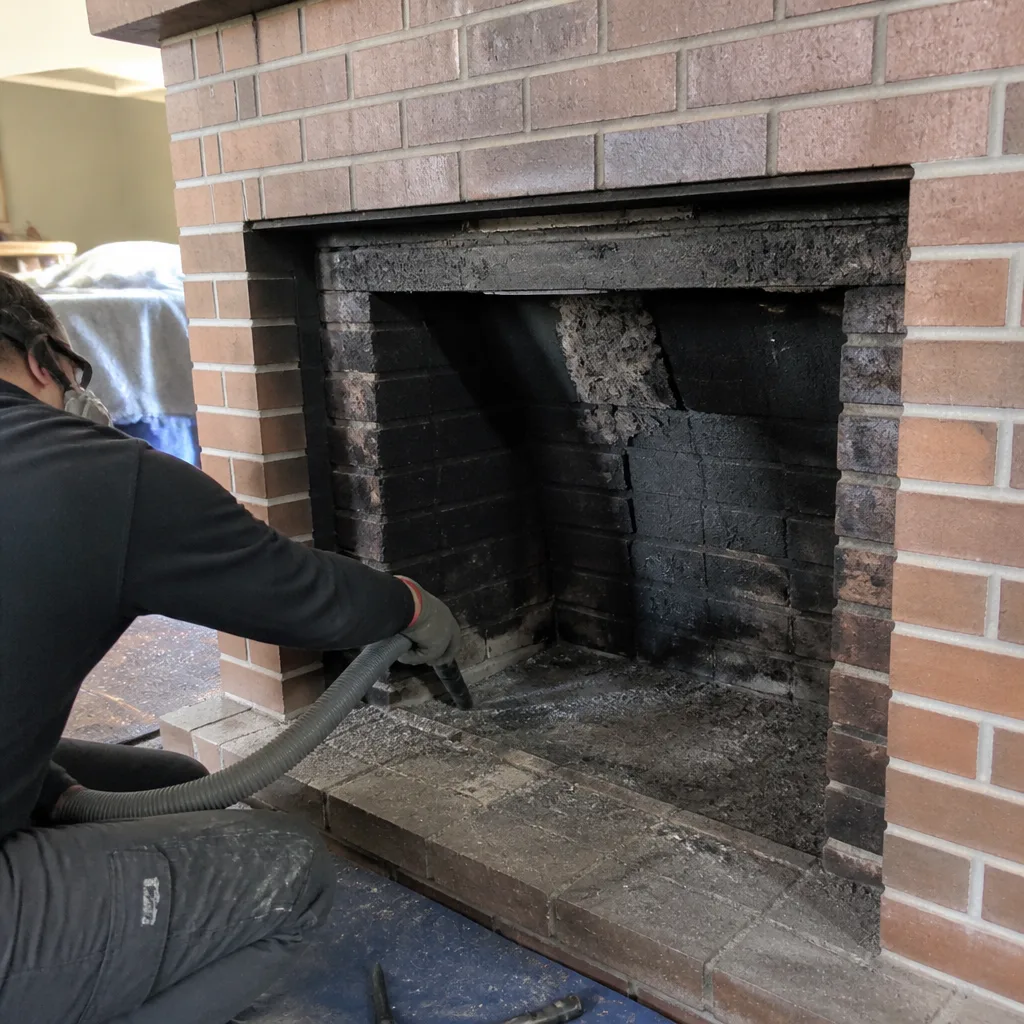
See the difference
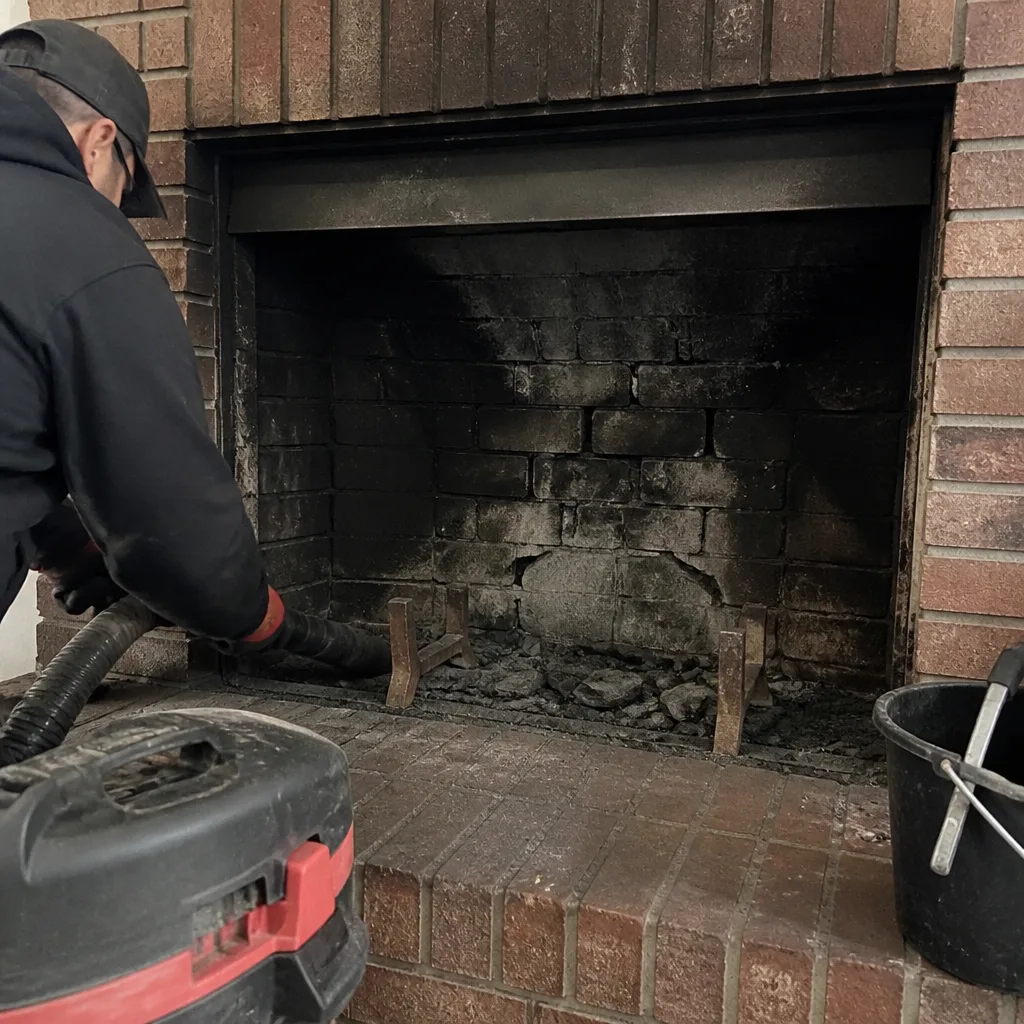 Before
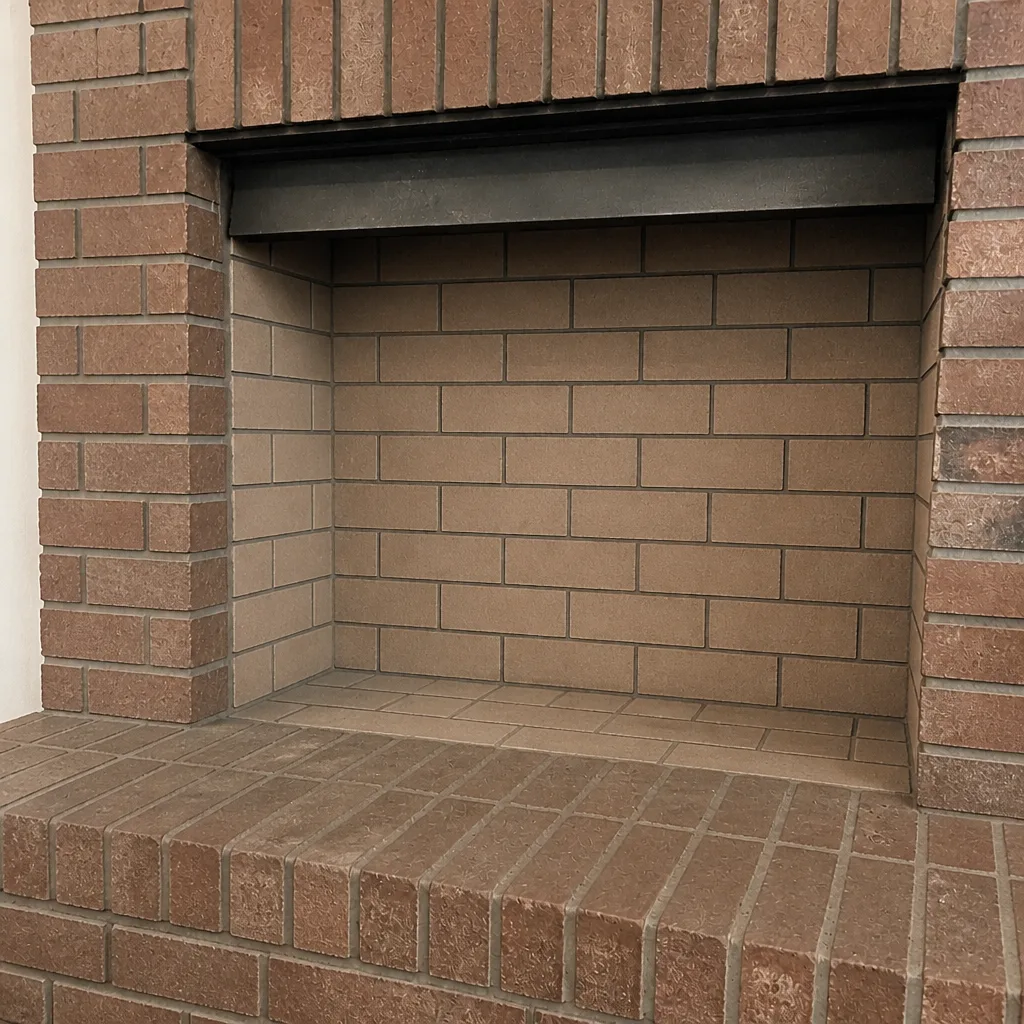 After
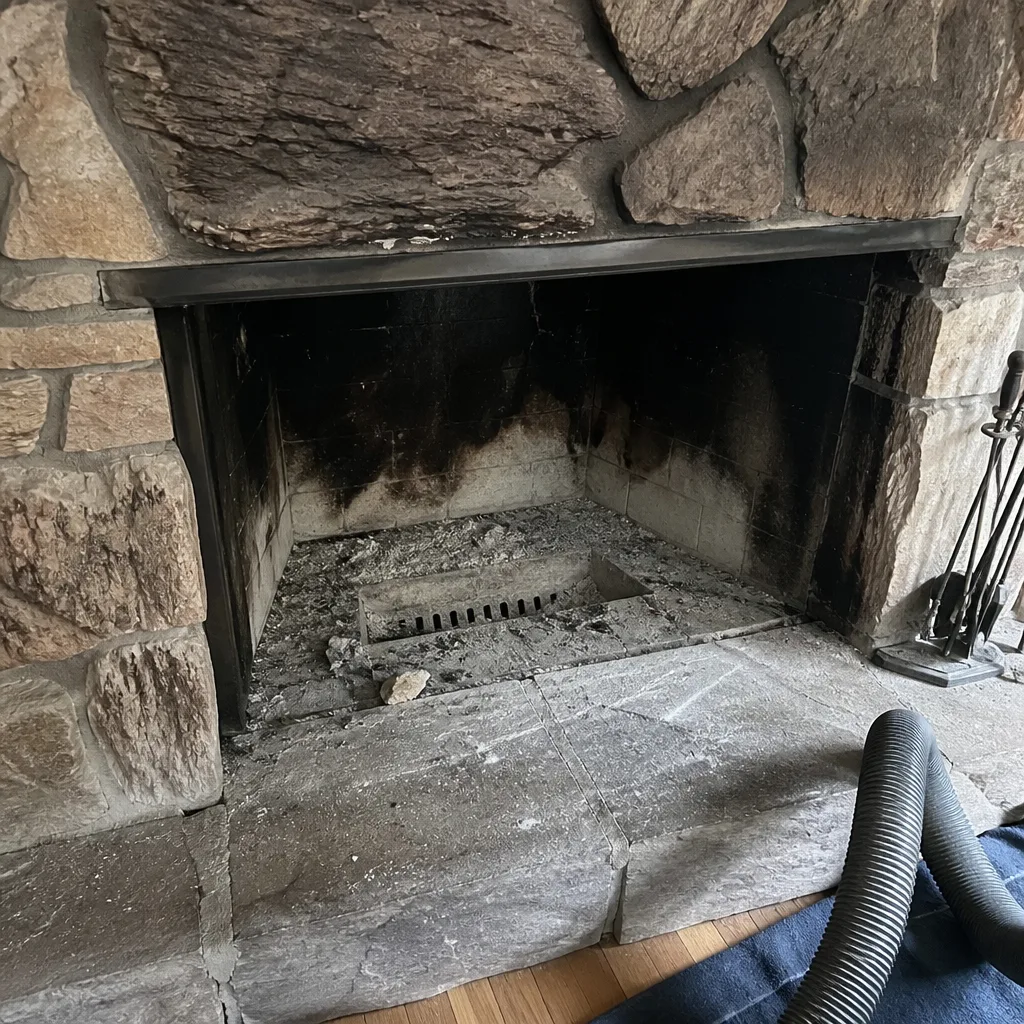 Before
 After
 Before
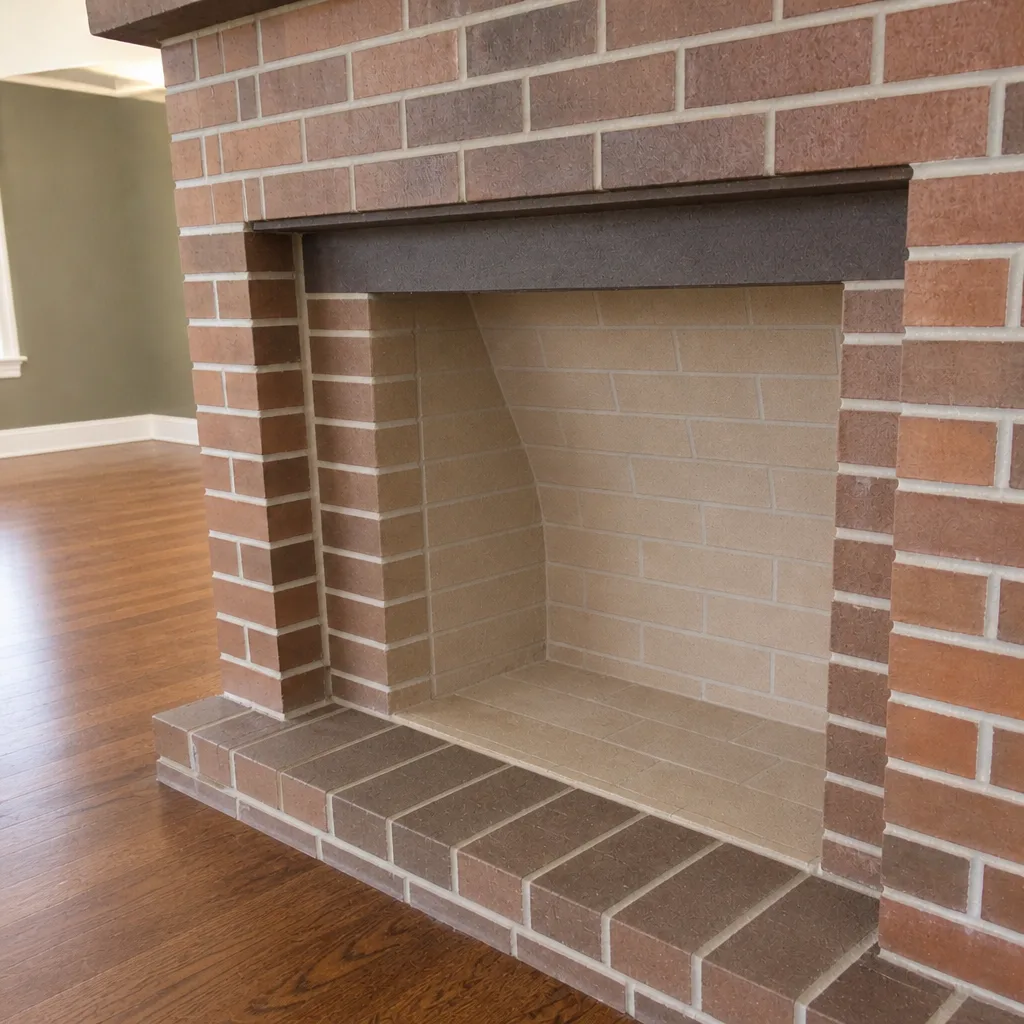 After
When to Call a Professional
Most chimney work isn’t a weekend project, and some of it is genuinely dangerous. Liner work, crown repair, and cap installation involve the top of the flue and the specialized materials that have to interact properly with the existing structure. If you’re seeing water stains around the firebox, a cap that’s visibly rusted or missing, a crown with visible cracks, a smoky fireplace, or a chimney that hasn’t been inspected in more than a year, it’s time to call. If you’re buying a Federal Way home with an older chimney and no service records, an inspection before closing is the cheapest insurance you can buy. Federal Way Chimney Sweep offers free estimates in Federal Way – call (855) 658-4385.
Frequently Asked Questions
Yes. In a climate with as much rain and humidity as Federal Way’s, a stainless cap holds up far longer than galvanized, and 316 stainless is the better grade for the moisture load. A galvanized cap is the cheapest option up front and the most expensive over time. If the price difference matters, ask for a written explanation of how each grade is expected to perform in the local climate.
The decision comes from a camera inspection of the flue, not from the brand or from how the chimney looks from outside. If the existing liner has surface cracks or gaps but is structurally sound, cast-in-place resurfacing can often restore it without a full replacement. If the liner is missing, badly compromised, or mis-sized, a stainless flexible liner is usually the right answer. We document what we find and explain your options before any work begins.
It almost always means a manufacturer’s warranty, limited by the terms of the paperwork, rarely covering the labor to replace the product, and usually conditioned on professional installation and documented maintenance. The manufacturer is typically out of state, and your local installer is the practical point of contact. Ask for the warranty terms in writing and read the exclusions before you sign.
Both matter, and for different reasons. The brand determines the material grade and the quality of fabrication, which is what determines how the product performs in our climate over time. The contractor determines whether the product is matched to your chimney’s actual condition. The best install with the wrong product is still the wrong product, and the best product installed for the wrong reasons is still a bad decision.
Often, yes. HeatShield ceramic liner resurfacing can restore a compromised but structurally sound flue liner without the cost and disruption of a full liner replacement. The right way to find out is a camera inspection and a documented report. When restoration isn’t safe, we’ll say so and explain why. When it is, we’d rather restore than replace.
Almost never. The manufacturer makes the product, and the contractor installs it. In a warranty situation, the homeowner deals with the installer first and the manufacturer second, which is why the contractor’s documentation and track record matter as much as the brand name on the label. For a Federal Way installation, ask how the contractor handles a warranty claim before you sign, not after.
The Bottom Line
The right chimney product for a Federal Way home is the one that’s matched to our wet, temperature-cycling climate and to your chimney’s documented condition. That means 316 stainless as the default grade for caps and liners on exposed surfaces, cast-in-place resurfacing as a genuine alternative to full liner replacement when the flue allows it, and a damper that seals tightly and can be serviced. The brand name on the box matters, but the reasoning behind the specification matters more. Ask what was found, ask why this product over that one, and ask what the warranty actually covers. When you’re ready for an inspection or a free estimate, call (855) 658-4385. We answer 24/7. Fast dispatch from 7am to 7pm, Sunday through Friday. Visit Federal Way Chimney Sweep for the full range of services. Our technicians have up to 14 years of experience, and we work with the professional-grade lines discussed here: DuraFlex, HeatShield, Gelco, Olympia Chimney, Famco, and Copperfield.
Written by the team at Federal Way Chimney Sweep.