
Last updated November 24, 2026
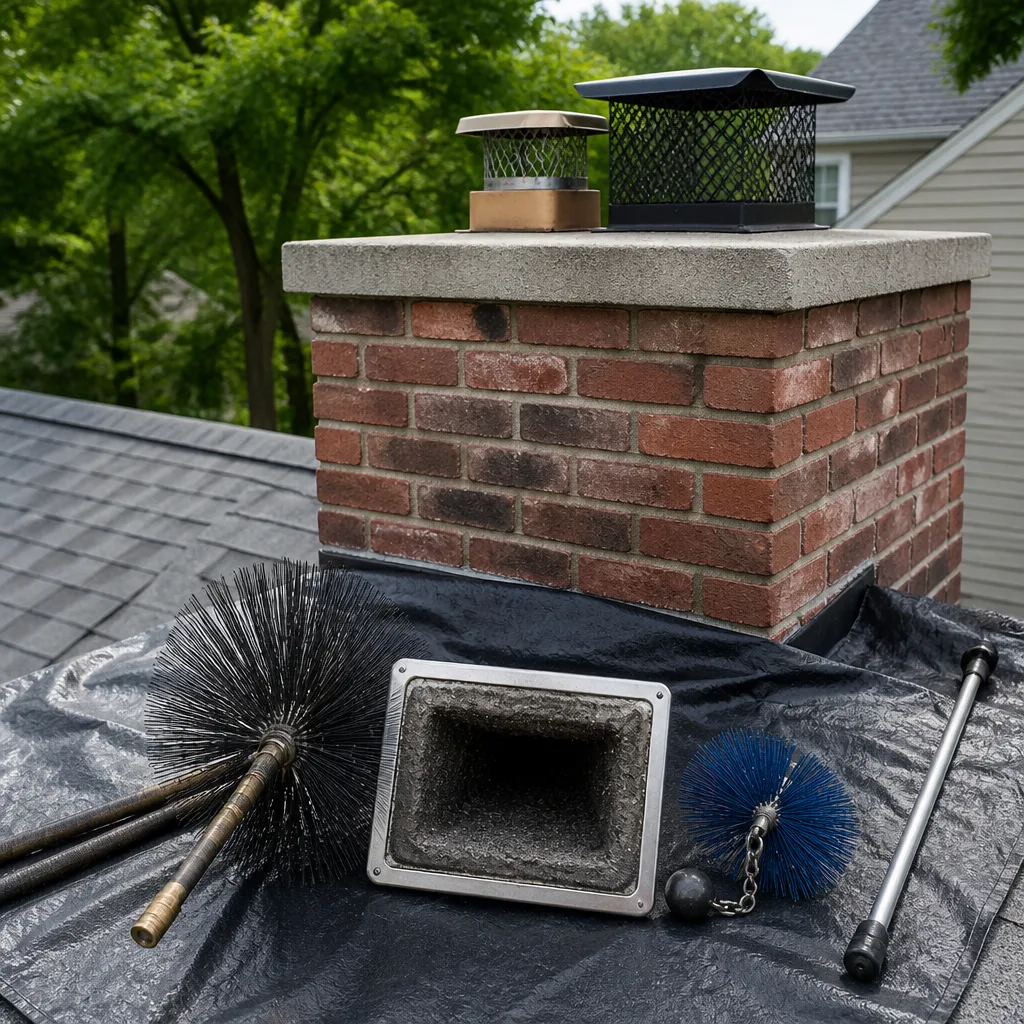 Sweep & inspection
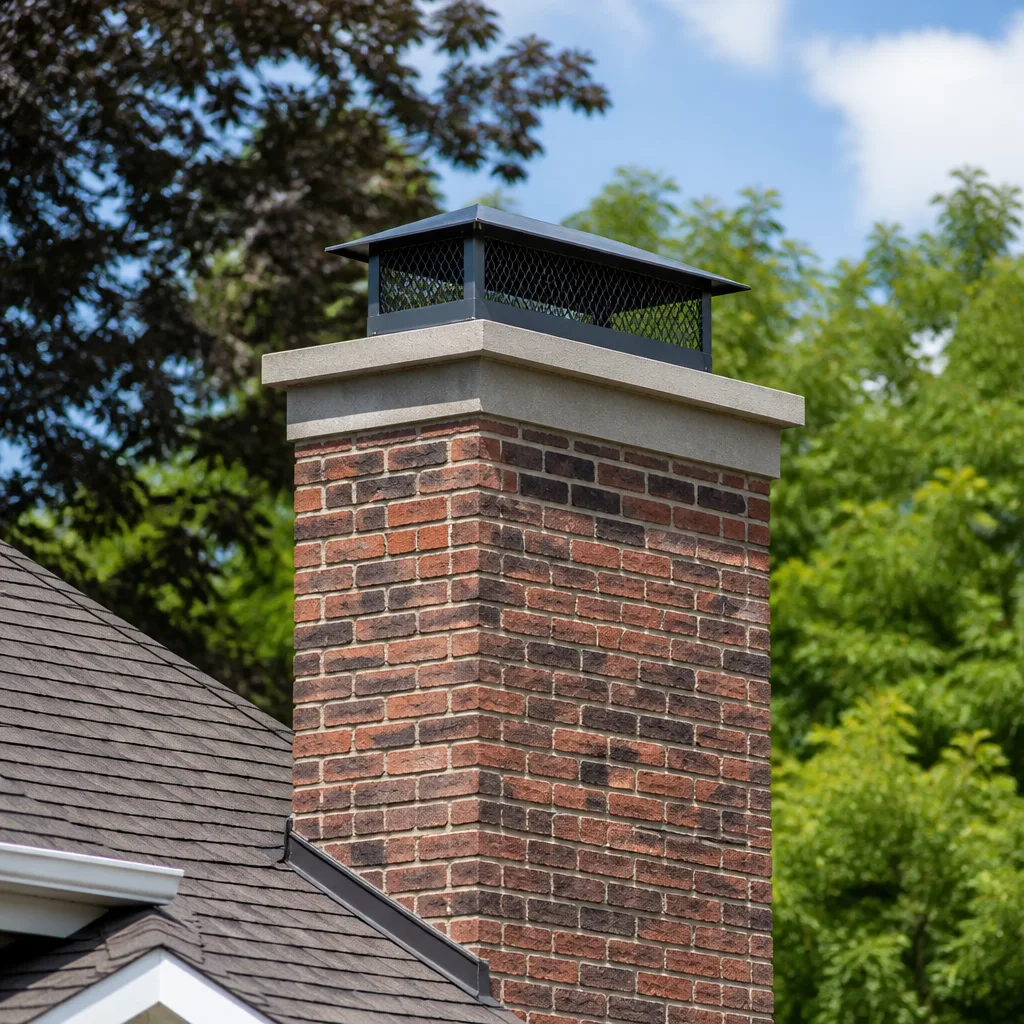 Caps & crowns
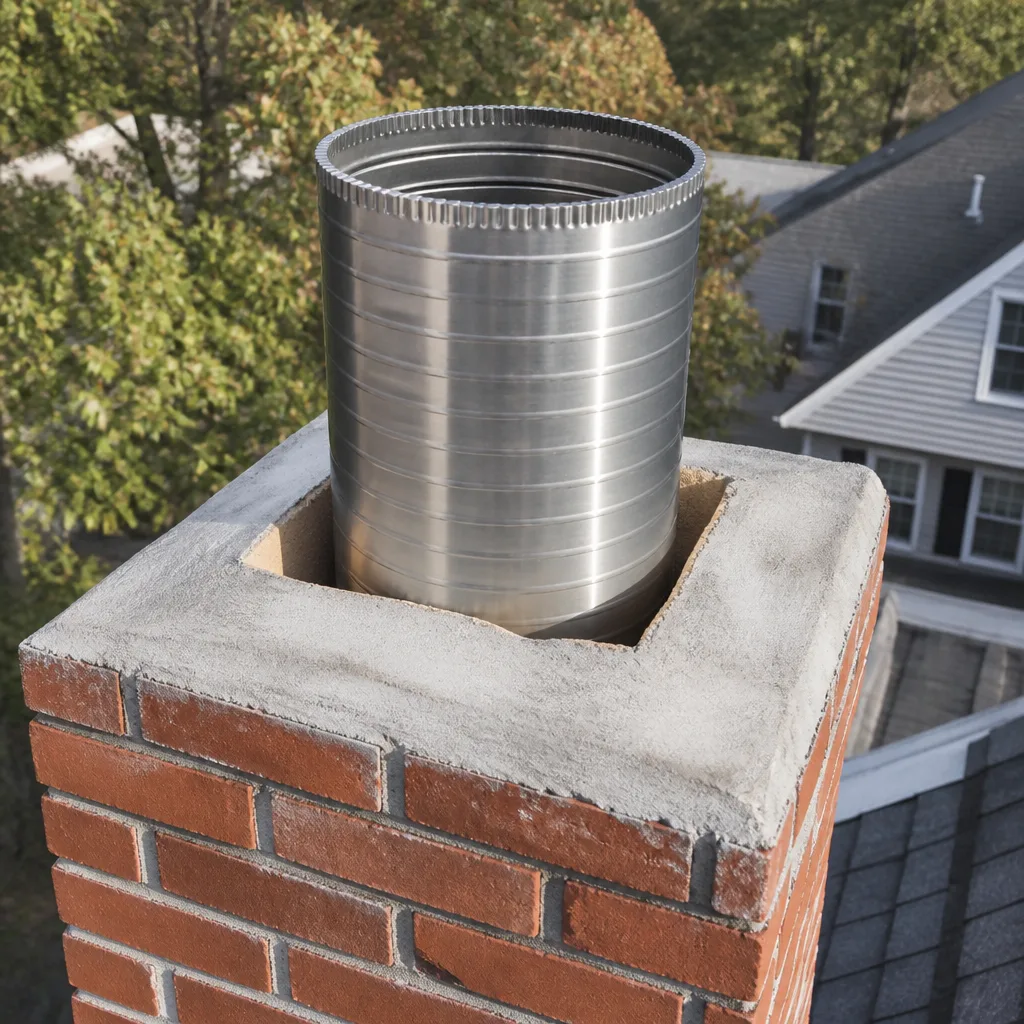 Flue relining
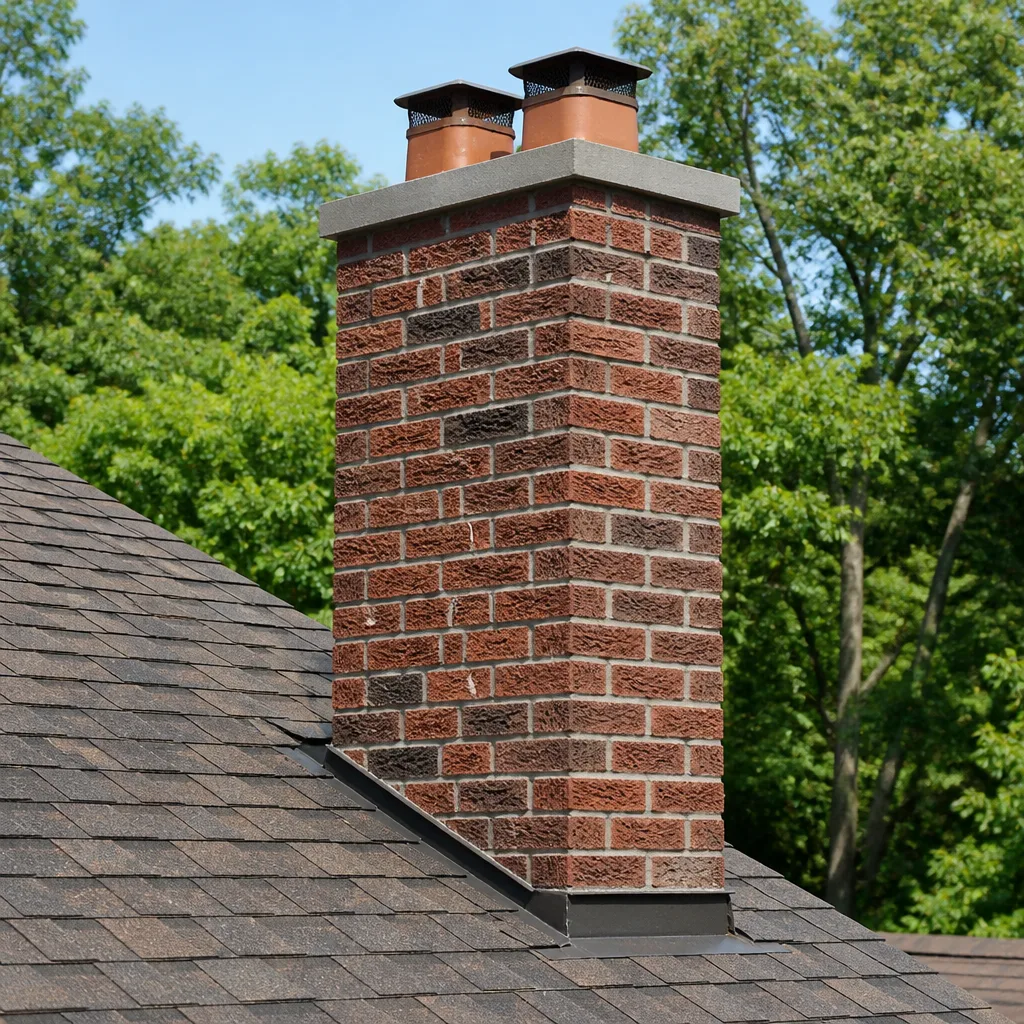 Masonry repair
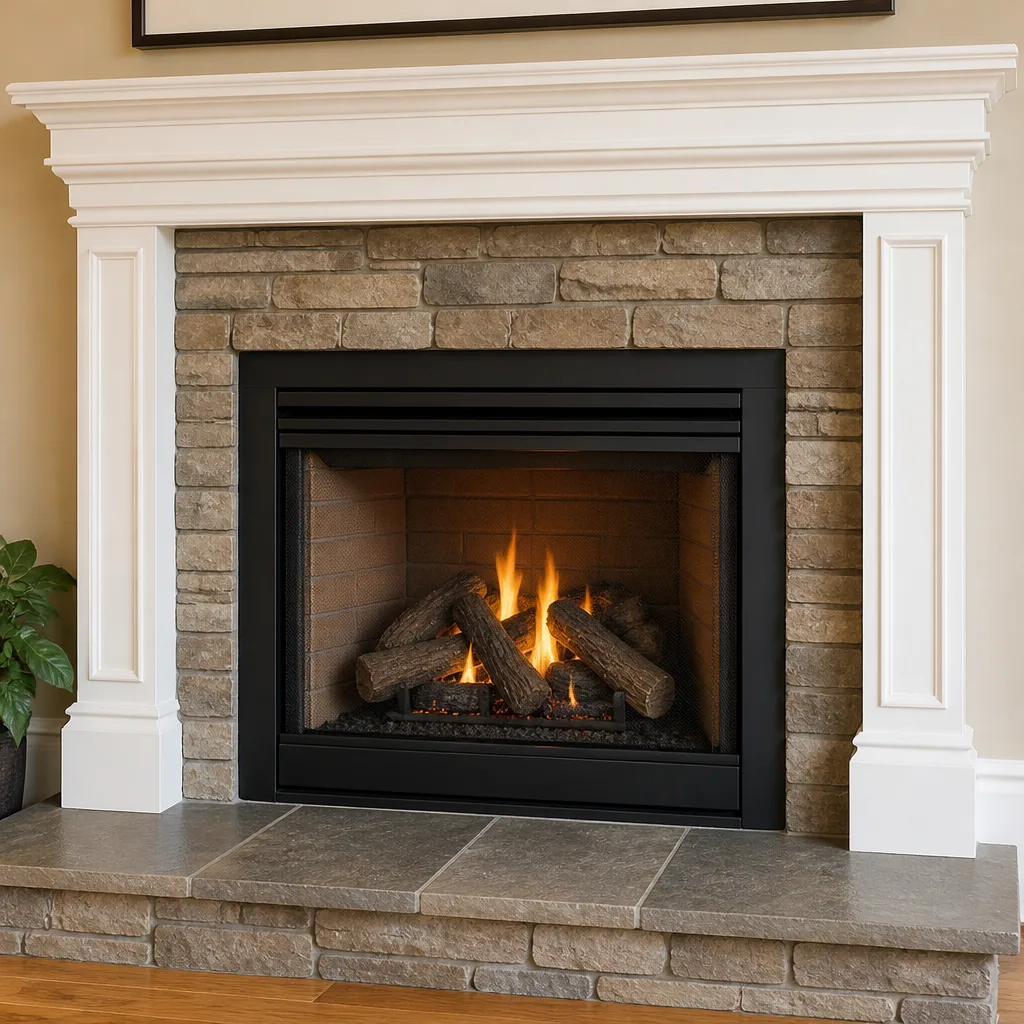 Gas fireplace service
Level 1 sweep and inspection to the NFPA 211 annual standard - flue, crown, cap, and flashing checked and photographed
Chimney sweep logs do not sweep chimneys. They loosen some creosote - which then falls where a brush and vacuum still have to collect it.
Seasonal Chimney Cleaning Care for Federal Way: Year-Round Homeowner’s Guide
The worst time to discover your chimney cap is missing is the first week of November, but that’s exactly when most Federal Way homeowners find out, because they lit a fire without looking up first. Chimney care in Federal Way doesn’t run on four equal seasons. It runs on two high-stakes windows and two maintenance periods, and treating them the same leads to either over-servicing a chimney that’s fine or neglecting one that isn’t. This guide maps what actually matters month by month: when to book, what the rain does to masonry between May and October, how draft behaves in damp cold snaps, and how to set a service schedule based on cords burned rather than the calendar.
Quick Answer
In Federal Way, the best time to book a chimney sweep is late August through September, before heating season starts and after a full summer of rain has shown where moisture gets in. Most homes burning one to two cords a year need one sweep and one inspection annually, scheduled in that late-summer window, plus a spring check after the last fire. Homes that burn less often can stretch to every other year, but the inspection still matters because water damage builds quietly.
Styles & brands we work with
- Sweep & inspection
- Caps & crowns
- Flue relining
- Masonry repair
- Gas fireplace service
Table of Contents
- Why Federal Way Chimney Care Runs on Windows, Not Seasons
- Late August Through September: The Best Service Window of the Year
- What 38+ Inches of Rain Does to Masonry Between May and October
- Winter Use During Federal Way Cold Snaps: Draft, Smoke, and Creosote
- Spring Post-Season Checklist: Moisture, Nesting, and Damper Corrosion
- How to Set Your Sweep Frequency by Cords Burned, Not the Calendar
- What an Inspection Covers and When Findings Get Fixed
- Burning in an Older Federal Way Home: What Changes
Why Federal Way Chimney Care Runs on Windows, Not Seasons
A chimney in Federal Way lives through two different kinds of stress, and they don’t overlap. From roughly October through March, it handles heat, creosote formation, and the pressure of repeated fire cycles. From April through September, it handles water. The house is the same, but the threat isn’t, and a service schedule built on “once a year, whenever” ignores both.
That’s why we think of the year as four periods instead of four seasons:
- Pre-season window (late August through September): the chimney is dry enough to inspect accurately, the firebox is cold, and any summer moisture damage is visible. This is when a sweep and inspection produce the clearest picture.
- Heating season (October through March): active use. Creosote accumulates, and problems show up as smoke in the room or weaker draft.
- Post-season period (April through May): the last fire is out and the chimney is still stable enough to check for winter damage, animal activity, and corrosion before summer rain sets in.
- Wet maintenance period (June through early August): the chimney gets the most rain and the least attention. Cap and crown condition matters most now.
Federal Way homes sit in a climate that’s mild but wet. Summers rarely bring the killing heat that dries masonry out fast, and winters rarely bring the deep freeze that cracks it open fast. What the region does bring is long, steady moisture, and masonry that stays damp for months. That changes the timing math. A sweep in September catches a full season of evidence. A sweep in June catches a chimney that hasn’t dried out yet.
If you’re working out when to book anything at all, this ordering is the one that matters. Everything else in this guide is detail underneath it.
Late August Through September: The Best Service Window of the Year
Late August through September is the single best window for a chimney sweep in Federal Way. Two things are true at once then: a full summer of rain has finished revealing moisture problems, and the heating season hasn’t started, so the flue is cold, dry, and safe to work in. An inspection done in that window sees the chimney at its most honest.
There’s a second reason this window works so well. Findings can be fixed before anyone wants a fire. A missing cap, a cracked crown, a spalling brick course, a damper that no longer seats: those get identified in September and repaired in September, with no scramble in November when the weather turns and every homeowner in Federal Way is calling at once. One inspection, one crew, one call, and the chimney is ready before the first cold night.
Here’s how the pre-season visit usually goes:
- Book the sweep and inspection for late August or September, before the schedule fills.
- We sweep the flue with the firebox cold, so creosote comes down cleanly and nothing is baked on from recent fires.
- We run a camera inspection of the flue and document what we find, so you see the same thing we see.
- We check the exterior: cap, crown, flashing, and masonry, with an eye for summer moisture damage.
- We walk you through options before any work begins, and we’ll tell you plainly when something can safely wait until next year.
If September slips past, October still works. The window is wide, not narrow. What you want to avoid is the first week of November, when the problem is discovered by a house full of smoke instead of by an inspection.
What 38+ Inches of Rain Does to Masonry Between May and October
Federal Way gets more than 38 inches of rain a year, and most of it lands between October and May. That pattern matters because masonry doesn’t fail from the rain that hits it. It fails from the water that gets in and stays in. The months when water parks in the brick and mortar, and the chimney gets almost no heat to drive it back out, are exactly the months nobody thinks about the chimney.
The damage follows recognizable patterns:
- Spalling brick. Water soaks into the brick face, then works on it from the inside. The face flakes or pops off. It shows up first on the south and west faces, which absorb the most afternoon sun after a rain.
- Crumbling mortar joints. Mortar is softer than brick and takes on water faster. Once it starts to erode, the joints hold more water, and the cycle speeds up.
- Cracked or separated crowns. The crown is the concrete slab on top. Hairline cracks let water straight into the masonry below it, and a crown that’s pulled away from the flue is effectively a funnel.
- Rusted dampers and firebox metal. A damper that sits wet all summer stiffens and corrodes. By fall it may not close completely, which costs you heat all winter.
- Staining inside the firebox and on the smoke chamber. Rust-colored streaks or white mineral bloom on interior masonry often mean water is coming in from above and finding its way down.
Most of this is preventable with two components: a cap and a sound crown. A properly fitted cap keeps rain, birds, and debris out of the flue, and a sealed crown keeps water from entering the top of the masonry. We install Famco and Copperfield caps because those manufacturers build specifically for chimney weatherproofing, and we fit the cap to the flue, not the other way around. Repairing water damage is always more involved than preventing it, and in a climate with this much rain, prevention is the whole game.
Winter Use During Federal Way Cold Snaps: Draft, Smoke, and Creosote
Winter in Federal Way is mild but damp, and that combination changes how a chimney behaves. Cold, humid air is denser than the warm air in your house, which actually helps draft once a fire is going. The problem is the start. A chimney that’s been sitting cold and damp for months is slow to establish a draft, so the first fire of the season is often the smokiest one you’ll have all year. That’s normal, and it’s why the pre-season sweep matters: a clean, dry flue lights more easily than one coated with a summer’s worth of residue.
A few guidelines we give Federal Way homeowners for burning during extended cold snaps:
- Warm the flue before you light. A rolled newspaper held near the open damper for a minute or two pushes warm air up the flue and reverses the cold plug. It makes a real difference on a damp evening.
- Burn hot, not long. A small, hot fire produces less creosote than a large fire smoldering all evening. Smoldering is where creosote comes from, and damp cold makes smoldering more tempting.
- Watch for smoke spillage. If smoke rolls into the room when you open the door, draft is marginal. Check that the damper is fully open, then check the cap. A partially blocked cap is the most common culprit.
- Don’t over-fire to compensate. If the house feels cold, the fix is usually the fireplace’s efficiency, not a bigger fire. An open fireplace sends most of its heat up the flue; a properly fitted liner improves that significantly.
Cold snaps in Federal Way tend to be short and wet rather than deep and dry. That means the chimney never gets a hard freeze to kill off insects or dry out the masonry. It just gets wetter. If you’re burning through a cold stretch, keep an eye on the firebox for moisture streaks, and if the fire feels sluggish even after warming the flue, get the cap checked. Schedule a chimney repair if you find signs of water getting in, rather than waiting for spring.
Spring Post-Season Checklist: Moisture, Nesting, and Damper Corrosion
The first warm week after your last fire is the second-best time of year to look at your chimney, and it’s the best time to catch things that summer will make worse. Here’s the checklist we run in spring:
- Look for animal activity. Starlings and raccoons are common in Federal Way, and an uncapped flue is an open invitation. Check the firebox for nesting material, droppings, or feathers. A cap installed now prevents the problem for the whole season.
- Check the damper. Open and close it. If it’s stiff, sticks, or doesn’t seat flush, corrosion has started. A damper that won’t close properly loses heat all winter and lets humid summer air into the firebox.
- Inspect the firebox for rust and staining. Rust streaks or white mineral deposits mean water is finding a path in, usually from the crown or flashing.
- Look at the exterior from the ground. Binoculars work fine. Check the crown for cracks or separation from the flue, check that the cap is intact and firmly seated, and look for loose mortar or flaking brick.
- Note anything that changed over winter. A new crack in the crown, a piece of flashing that’s pulled loose, or a stain that wasn’t there in the fall.
Spring findings are usually cheaper to fix than fall findings, because you’re repairing before months of rain make them worse. A crown sealed in May is a crown that isn’t letting water into the masonry all summer. A cap installed in April is a cap that keeps starlings out of the flue in June.
If you find something on this list, don’t wait for the pre-season window to have it looked at. Book an inspection, get the camera findings, and decide from there. Nothing gets recommended without camera evidence you can see for yourself.
How to Set Your Sweep Frequency by Cords Burned, Not the Calendar
Most chimney guidance says “sweep once a year.” That’s a reasonable default, and it’s what a lot of Federal Way homeowners do, but it’s not the only correct answer. The right frequency depends on how much you actually burn and what you burn, and a schedule based on cords is more accurate than one based on the calendar.
Here’s the rough scale we use:
- No fires or a few decorative fires a year: inspection every other year is usually enough, but the inspection still matters because water damage doesn’t care whether you’re burning. A cap and crown check every year is worth doing even if the flue stays clean.
- Half a cord to one cord a year: one sweep and inspection annually, scheduled in the late-summer window. This covers the majority of Federal Way homes with an occasional fireplace.
- One to two cords a year: one sweep and inspection annually, and don’t skip it. At this burn rate, creosote builds to a level worth removing every season.
- Two cords or more, or a wood stove used as primary heat: one sweep and inspection annually at minimum, and consider a mid-season check if you notice draft problems or smoke spillage.
- Any amount of burning with unseasoned wood: sweep annually regardless of cords. Green or damp wood produces significantly more creosote than dry wood, and it’s worth having the flue checked even at low burn rates.
There’s a common misconception buried in that last point. Homeowners sometimes assume a light burn year means they can skip the sweep. If the wood was wet or the fires were smoldering, the creosote load can be high even with a small number of fires. The inspection is what tells you, and the camera findings make it a fact rather than a guess.
The practical takeaway: figure out roughly how many cords you burned last season, then schedule the sweep based on that number and the pre-season window. If you’re not sure, book the inspection and we’ll check the flue and tell you what the creosote level actually looks like.
What an Inspection Covers and When Findings Get Fixed
An inspection is the backbone of the whole schedule, and in Federal Way it’s where most of the value sits. A sweep removes creosote. An inspection tells you what’s happening to the chimney structure, the liner, the cap, the crown, and the firebox. They’re usually done together, but they answer different questions.
A camera inspection covers:
- The flue interior, from the firebox to the top, checking for cracks, gaps, and deterioration in the liner
- Creosote level and distribution, which informs the sweep and the schedule
- The smoke chamber and damper, including whether the damper seats properly
- The firebox, looking for cracks and water staining
- The crown and cap, checking seal, fit, and condition
- The exterior masonry, flashing, and any signs of water tracking
The point of the camera is that you see what we see. If the liner has a crack or the crown has separated, you’ll have a photo of it and a clear explanation before anything is recommended. If the damage is something that can be resurfaced with HeatShield rather than replaced, we’ll say so. HeatShield ceramic liner resurfacing restores many compromised flues without a full liner replacement, which changes the cost conversation considerably. If the liner is beyond resurfacing, DuraFlex flexible liner systems give a properly sized, code-compliant flue in older fireplaces without a masonry rebuild. Either way, the findings come first, and the options come next.
That’s the gap most homeowners worry about: being told they need work they can’t verify. The way we handle it is by making the evidence visible and by saying plainly when something can wait. If the crown is sound and the liner is intact, we’ll tell you that too.
Burning in an Older Federal Way Home: What Changes
Federal Way has a lot of housing stock from the 1960s through the 1990s, and fireplaces from those decades were built to a different standard than today’s. The most common issues we see in older homes are undersized or unlined flues, clay tile liners with cracked joints, and crowns that have been patched once or twice and are ready to be replaced.
If you’re in an older home, the annual inspection carries a bit more weight, because the failure modes are different. A clay tile liner that looked fine at year ten can develop cracked joints by year thirty, and those cracks let heat and creosote reach the surrounding framing. That’s a structural issue, not just an efficiency one, and it’s caught by a camera, not by a flashlight from the firebox.
Fireplace repair needs are common in these homes too, from damper replacement to firebox masonry work. The advantage of a single provider that handles inspection, sweeping, and repair together is that a finding doesn’t turn into an open question you have to chase down with a second contractor. The camera findings lead to a repair or a resurfacing, and it’s the same crew either way.
Older homes also tend to have less room in the flue. A flue that’s too large for the fireplace drafts poorly and smokes. That’s why we size liners to the appliance: Olympia Chimney and DuraFlex liner systems let us match the flue to the firebox so the draft works, rather than just getting the flue connected. If your older Federal Way fireplace smokes whenever you light it, the liner or the flue size is usually where the answer is.
Common Mistakes to Avoid
- Waiting until the first cold night to check the chimney. By then, you’re booking behind everyone else and the problem gets discovered by smoke in the room rather than by an inspection. Book in September instead.
- Skipping the inspection because the sweep is scheduled. A sweep clears the flue. It doesn’t check the crown, the cap, the liner joints, or the flashing. The inspection is what catches the water damage.
- Assuming a light burn year means no service needed. One cord of green wood can leave more creosote than two cords of dry wood. Cord count sets the schedule; the inspection confirms whether the flue is actually clean.
- Leaving the flue uncapped through fall. Federal Way gets a lot of rain, and an open flue is a direct path for it into the masonry and the firebox. It’s also an open door for starlings and raccoons.
- Ignoring a cracked crown because the masonry “looks fine.” The crown is where most top-down water intrusion starts, and a crack that looks like a hairline can move a lot of water into the masonry over a wet season.
- Patching a crown without checking the flashing and cap. A new seal doesn’t help if water is coming in at the flashing or the cap isn’t seated. Fix the whole top, not just the crack.
- Burning damp or unseasoned wood through the winter. It’s the fastest way to build creosote, and in a mild damp climate wood takes longer to season than many people expect. Check the burn before the fire, not after.
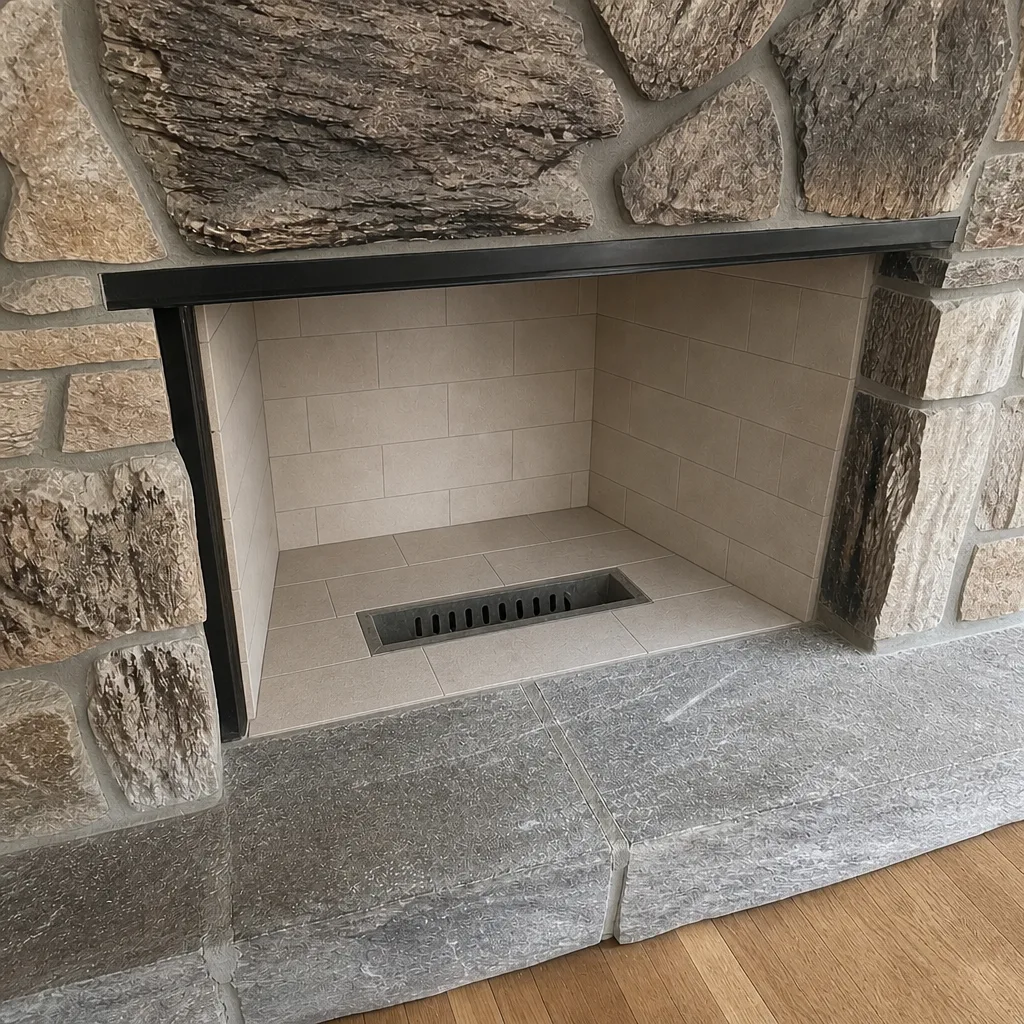
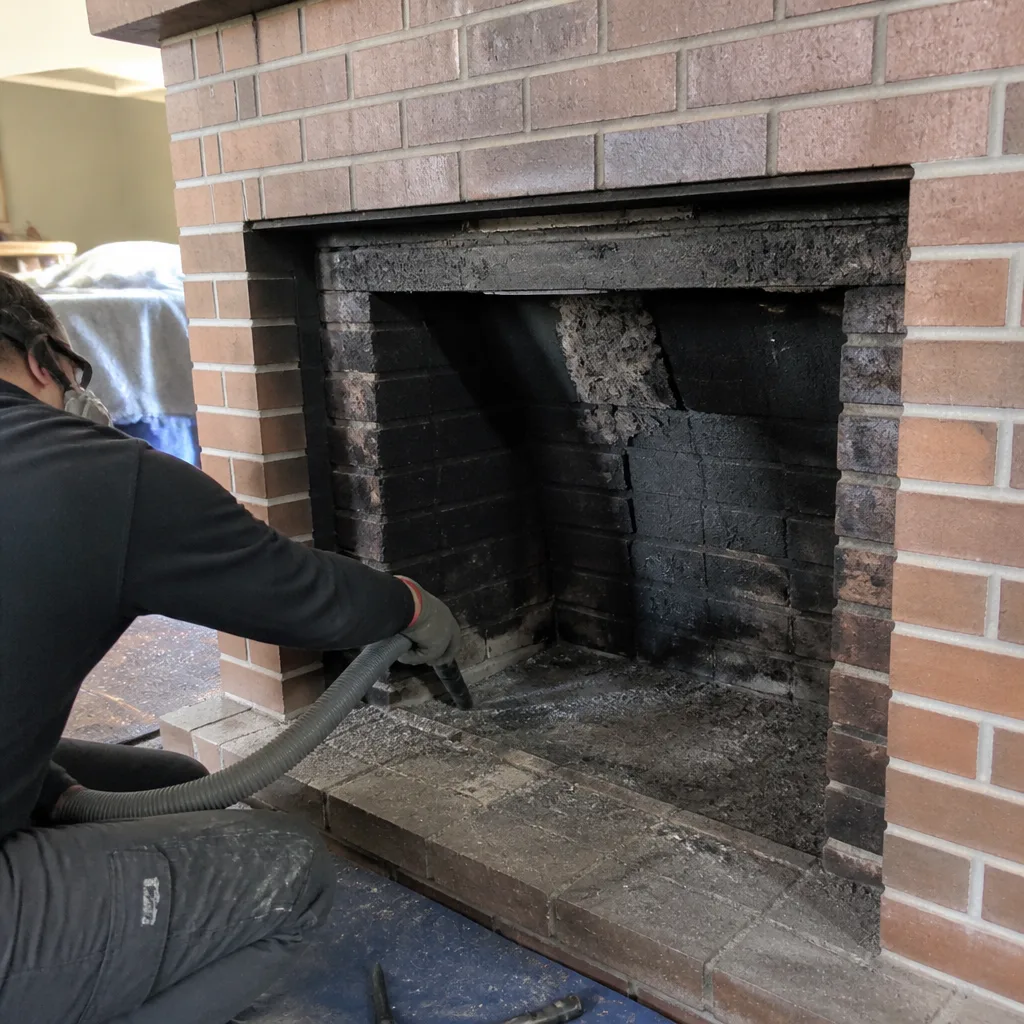
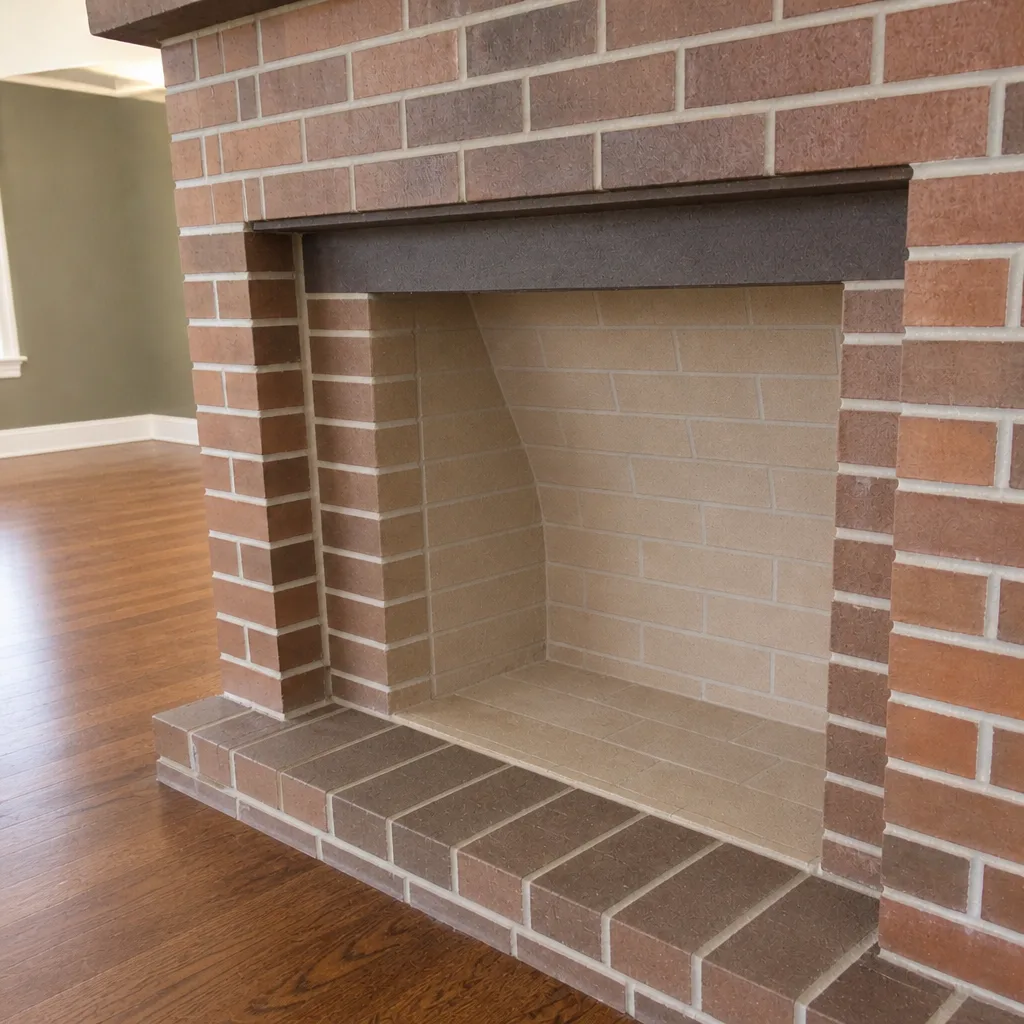
See the difference
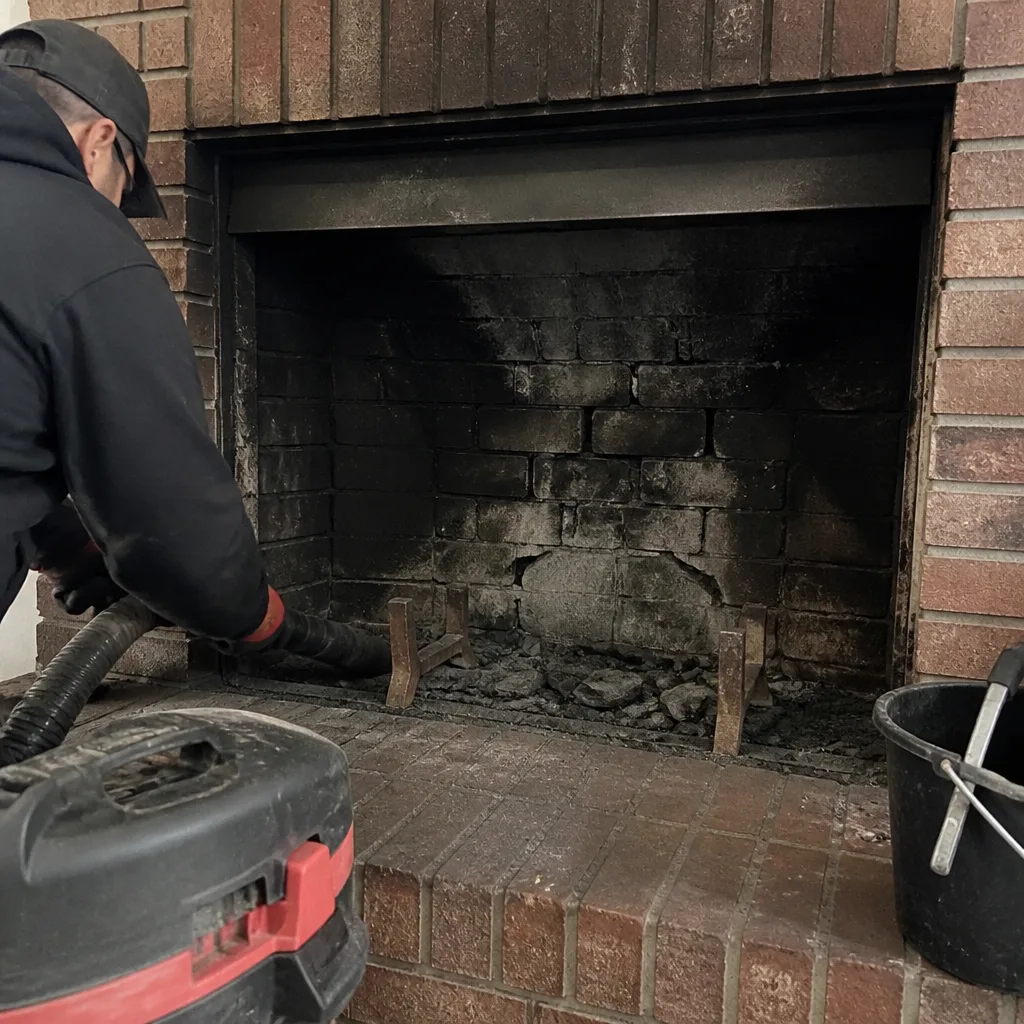 Before
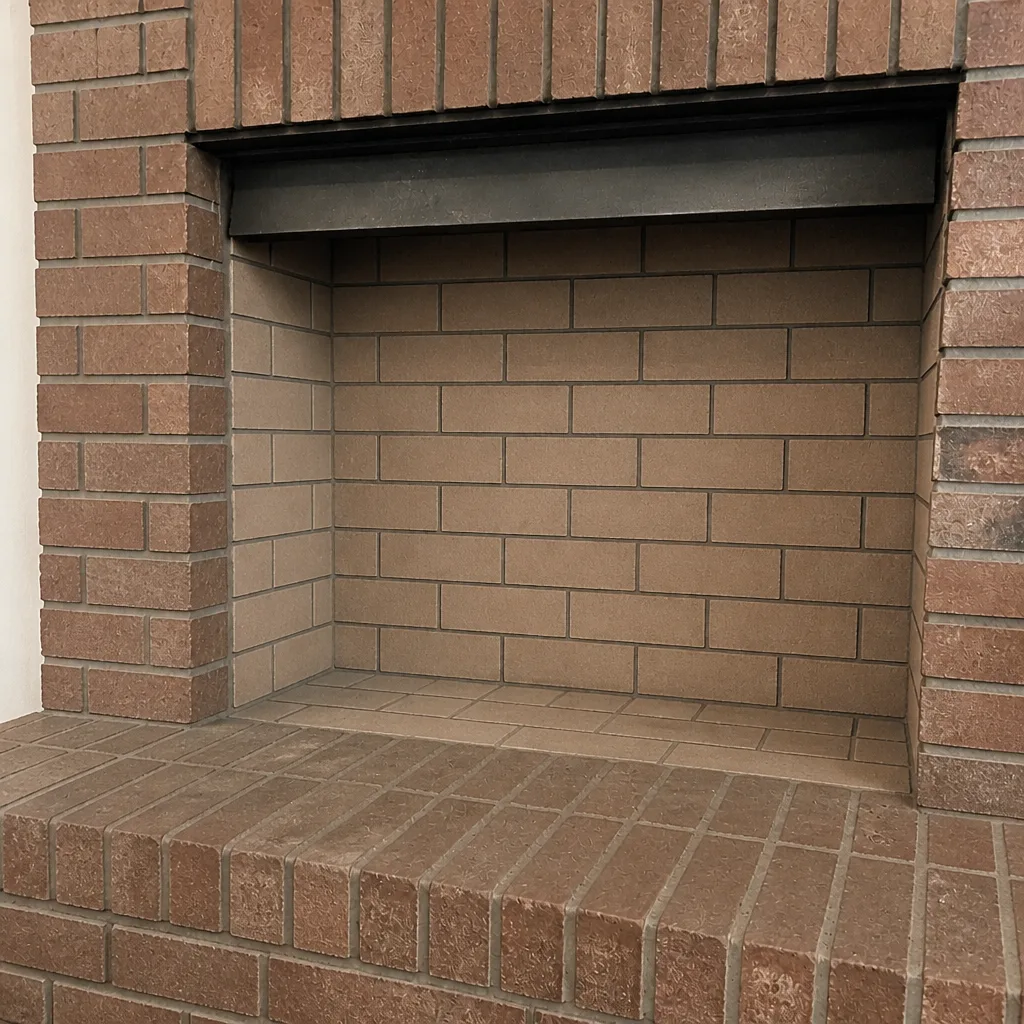 After
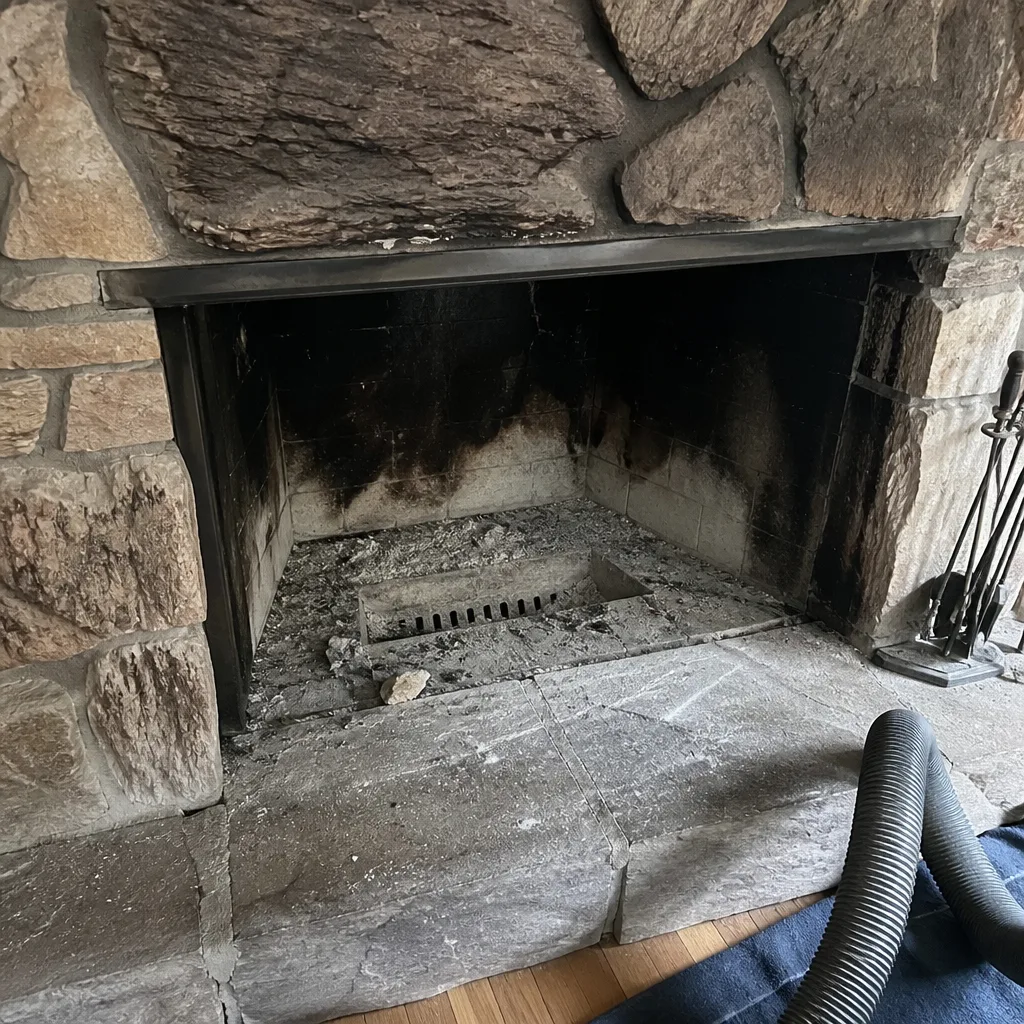 Before
 After
 Before
 After
When to Call a Professional
Some things can wait for the pre-season window. Others shouldn’t. Call us when you see smoke spilling into the room when you open the fireplace door, when the fire won’t draw even after warming the flue, when you find rust streaks or white mineral bloom in the firebox, when there’s nesting material or animal activity in the flue, or when the crown, cap, or flashing has visible damage. Call before the first fire of the season if it’s been more than a year since the last inspection, and call if a home inspector or real estate transaction flagged anything about the chimney. High-tension springs, electrical work, and gas lines aren’t chimney jobs; for those, use a trained specialist in that trade. Federal Way Chimney Sweep offers free estimates in Federal Way, and we bring the camera so you see what we find. Call (855) 658-4385. We answer 24/7. Fast dispatch from 7am to 7pm, Sunday through Friday.
Frequently Asked Questions
Late August through September is the best window. The summer rain has finished showing where moisture gets in, the flue has had months to dry, and the heating season hasn’t started, so the firebox is cold and safe to work in. It also means any repair found during inspection can be handled before the first fire of the season. Call (855) 658-4385 for an exact quote; estimates are free.
Once a year is the right schedule for most Federal Way homes burning one to two cords of wood a year. Homes with occasional fires can often stretch to an inspection every other year, but the inspection still matters because water damage builds whether or not the fireplace is in use. Wetter wood and heavier burning both argue for the annual sweep. Call (855) 658-4385 for an exact quote; estimates are free.
Yes, and it’s the dominant cause of chimney deterioration in this region. With more than 38 inches of rain a year, water gets into brick and mortar, and it doesn’t dry out quickly because the summers are mild rather than hot. The result is spalling brick, crumbling mortar joints, and cracked crowns, all of which show up in the fall inspection if nobody caught them in spring. A cap and a sealed crown are the two components that stop it. Call (855) 658-4385 for an exact quote; estimates are free.
Many damaged liners can be resurfaced rather than replaced. HeatShield ceramic liner resurfacing restores a compromised flue in many cases, and it’s a fraction of the disruption of a full liner replacement. Whether yours qualifies depends on the extent of the damage, which is why we run the camera first and show you the findings. When a full liner is the right answer, we use DuraFlex flexible liner systems to give an older fireplace a properly sized, code-compliant flue. Call (855) 658-4385 for an exact quote; estimates are free.
Most of the time, nothing happens immediately, and that’s the problem. Creosote builds slowly, water intrusion works quietly, and a crown crack doesn’t announce itself. The failure modes you’re avoiding are a chimney fire from accumulated creosote and a masonry repair from unchecked moisture, both of which are considerably more expensive than the inspection that would have caught them. Call (855) 658-4385 for an exact quote; estimates are free.
Check the firebox for rust, staining, or nesting material, work the damper open and closed to confirm it seats properly, and look at the crown, cap, and flashing from the ground. Starlings and raccoons are common in Federal Way and an uncapped flue is easy for them to enter. Anything that changed over winter should be inspected before summer rain settles in. Call (855) 658-4385 for an exact quote; estimates are free.
The Bottom Line
Federal Way chimney care isn’t a once-a-year checkbox. It’s a schedule built around two high-stakes windows and two maintenance periods. Book the sweep and inspection in late August or September so the flue is dry, the evidence is clear, and any repair can happen before the first fire. Guard the top of the chimney through the wet months, because more than 38 inches of rain is what actually wears masonry down here. Check the damper, the firebox, and the cap in spring before summer hides the damage. Set the sweep frequency by cords burned, not habit, and get the camera findings before you agree to anything. That’s the whole system, and it works because it matches what the climate is actually doing. From the firebox to the crown, we service the entire chimney system, and we document what we find and explain your options before any work begins. For a fireplace repair or a full inspection, our technicians have up to 14 years of experience. If you want a Federal Way specialist who handles both, start with Federal Way Chimney Sweep or call (855) 658-4385 for a free estimate. We answer 24/7. Fast dispatch from 7am to 7pm, Sunday through Friday.
Written by the team at Federal Way Chimney Sweep.