
Last updated November 24, 2026
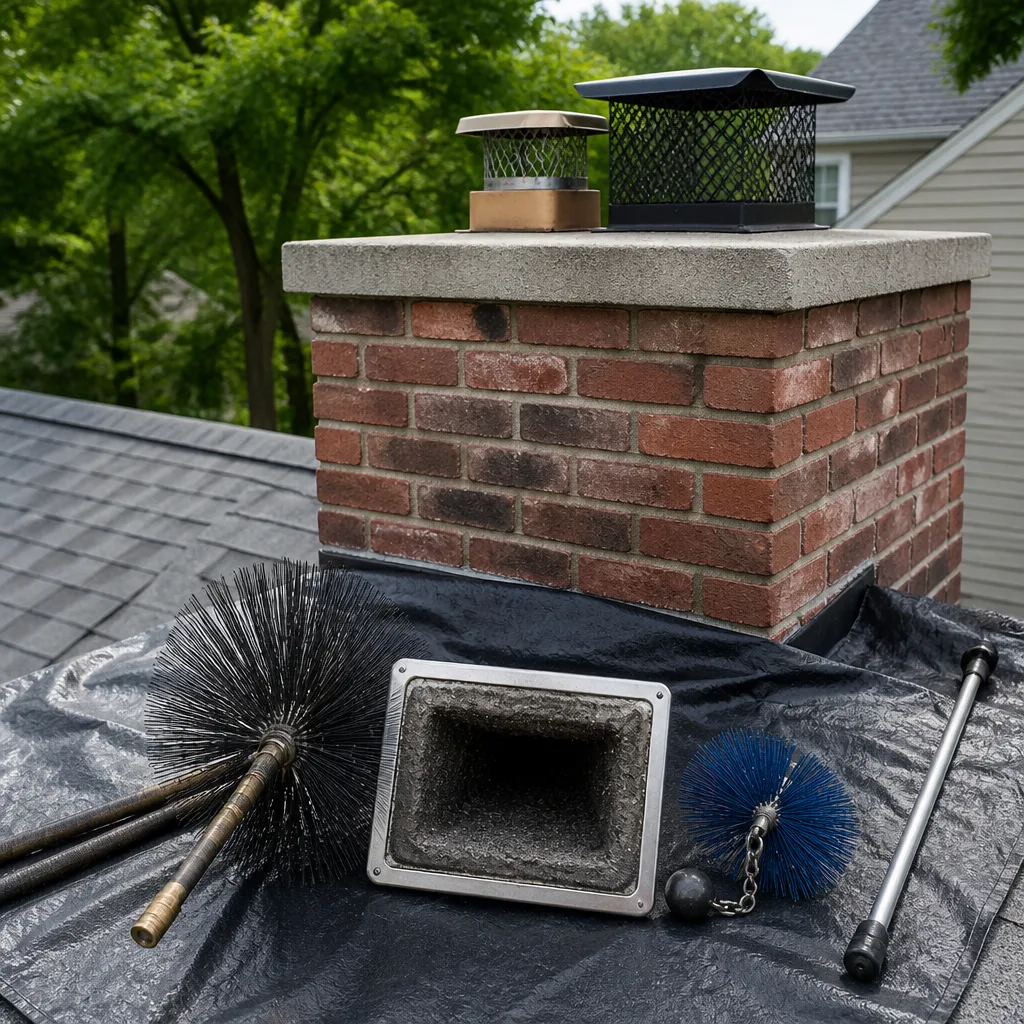 Sweep & inspection
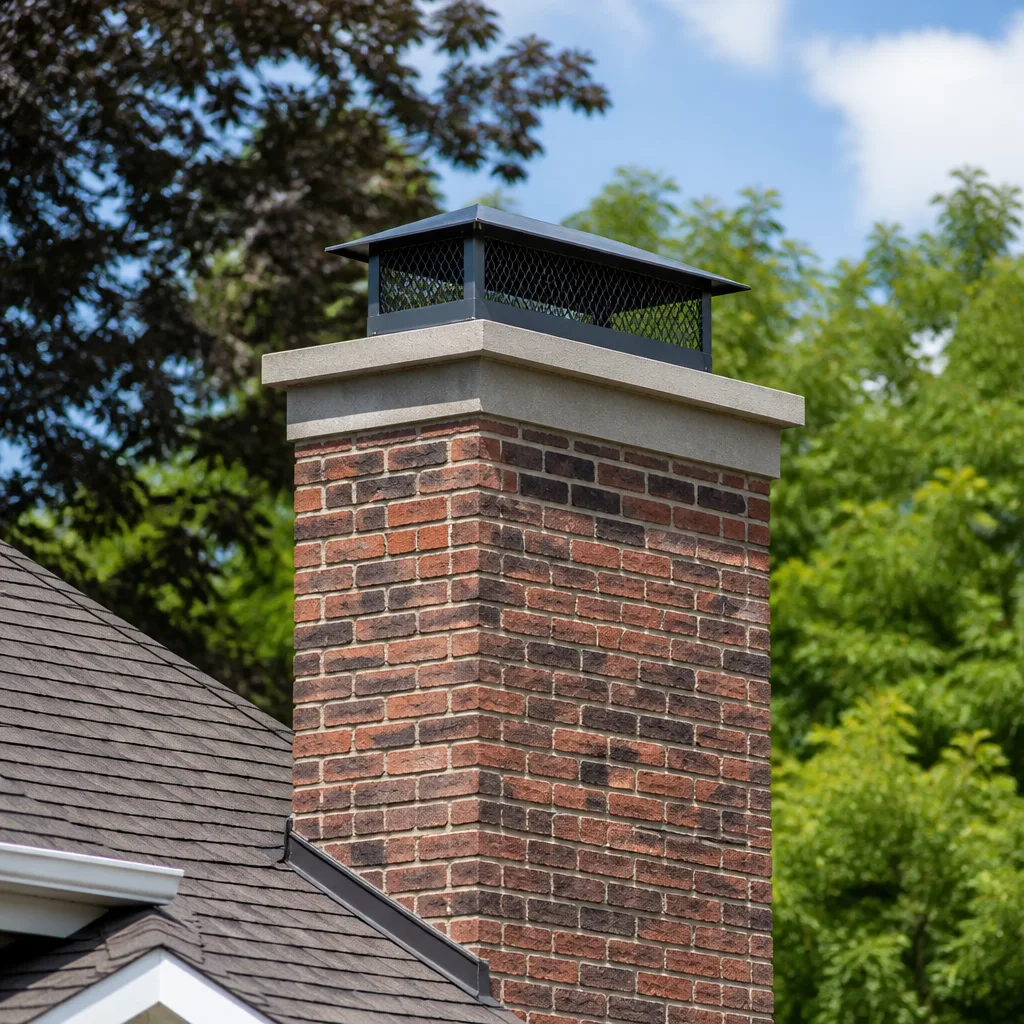 Caps & crowns
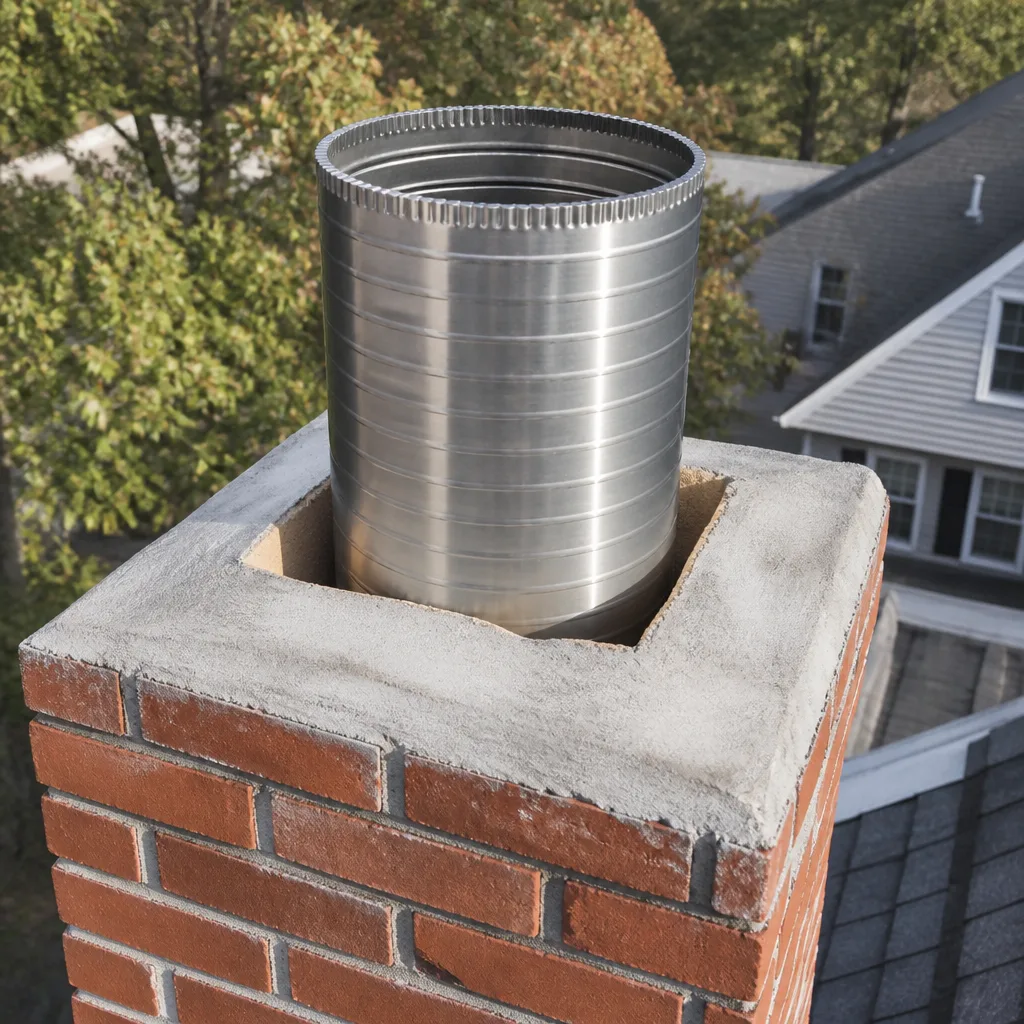 Flue relining
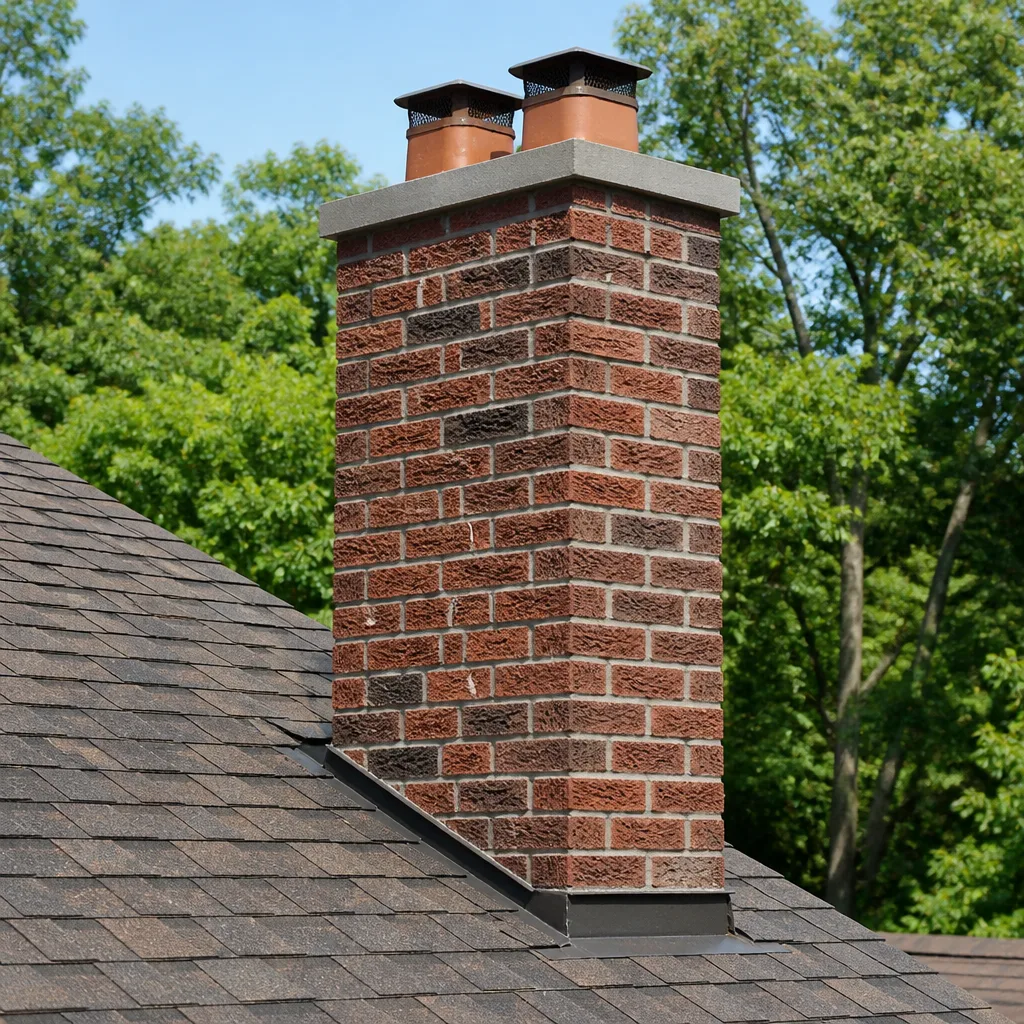 Masonry repair
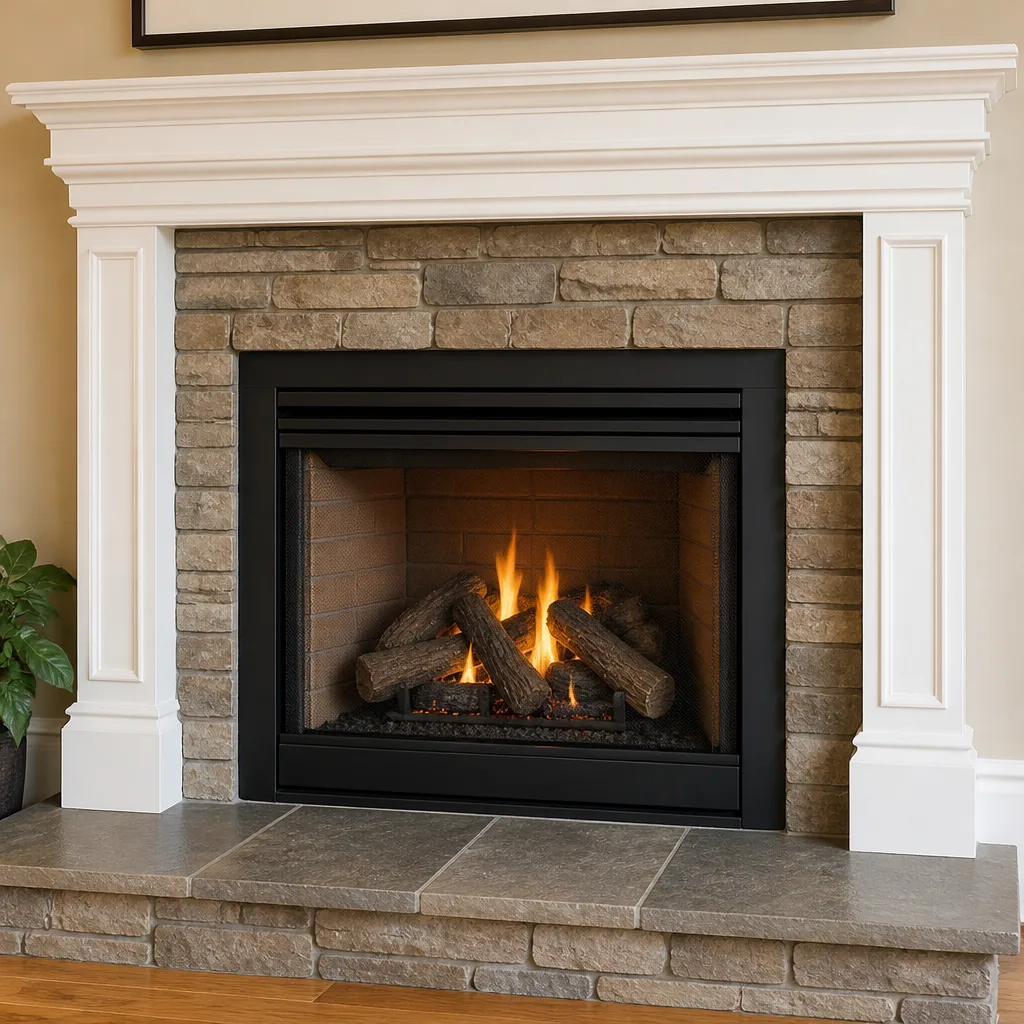 Gas fireplace service
Level 1 sweep and inspection to the NFPA 211 annual standard - flue, crown, cap, and flashing checked and photographed
Chimney sweep logs do not sweep chimneys. They loosen some creosote - which then falls where a brush and vacuum still have to collect it.
The Complete Guide to Chimney Cleaning in Federal Way
Most chimney fires don’t start because homeowners skipped cleaning. They start because homeowners followed advice written for climates a thousand miles away. A guide built for a dry, cold Minnesota winter doesn’t account for what eight months of drizzle does to creosote inside a Federal Way flue. It doesn’t tell you that your shoulder seasons are riskier than your deep winter. And it doesn’t explain why “seasoned” firewood in Western Washington means something a little different than it does in Colorado. This guide fixes that. We’ll walk through how Federal Way’s wet marine climate shapes creosote buildup, which local woods burn clean and which don’t, when to actually schedule your sweep, and how to read a cleaning report so you know what’s real and what’s being sold to you.
Quick Answer
A chimney in Federal Way should be swept once a year if you burn regularly, and inspected annually even if you don’t. Because Western Washington’s damp air slows the drying of green firewood and can accelerate second- and third-stage creosote formation, the highest-risk windows here are the shoulder seasons – September and April – not the middle of winter. A full sweep should include a manual flue cleaning, a visual inspection of the firebox, damper, cap, and crown, and a written report with photos.
Styles & brands we work with
- Sweep & inspection
- Caps & crowns
- Flue relining
- Masonry repair
- Gas fireplace service
Table of Contents
- Why Federal Way Chimneys Don’t Follow National Advice
- Creosote in a Marine Climate: What Humidity Actually Does
- Western Washington Firewood and What It Puts in Your Flue
- When to Schedule Your Sweep in Federal Way
- What a Full Sweep Covers vs. a Discount Sweep
- How to Read a Post-Cleaning Report
- Common Mistakes to Avoid
- When to Call a Professional
Why Federal Way Chimneys Don’t Follow National Advice
The advice you’ll find on most national chimney websites is written for a climate that spends most of the year cold and dry. Federal Way doesn’t work that way. Our wet winters, humid springs, and long stretches of cool drizzle create a very different set of conditions inside a chimney. Here’s what changes:
- Firewood dries more slowly. A cord of split wood that would be ready in six months in eastern Oregon can take nine to twelve months to reach the same moisture level in Puget Sound. Wood that seems dry on the surface can still read 25% or higher on a moisture meter.
- Cooler flue temperatures. When outdoor temperatures hover in the 40s and 50s, the temperature differential between the flue gas and the outside air is smaller. That means a cooler flue, which means more condensation on the interior walls, which is exactly where creosote likes to form.
- More frequent partial burns. Shoulder-season homeowners tend to burn small, short fires to take the chill off rather than long, hot ones. Short fires don’t get the flue up to a temperature that burns off deposits.
- Wet exterior masonry. Federal Way chimneys absorb a lot of moisture through the brick and mortar over the winter. A saturated chimney pulls heat out of the flue faster and shortens the life of the crown and cap.
None of this makes a Federal Way chimney dangerous by default. It just means the annual rhythm here is different, and the shoulder seasons matter more than a national guide will ever tell you.
Creosote in a Marine Climate: What Humidity Actually Does
Creosote is the residue left over when wood doesn’t burn completely. It forms in three broad stages, and understanding them is the single most useful thing you can do as a homeowner.
- Stage 1 – soot and light flake. Dry, powdery, easy to brush off. This is what a flue looks like after a normal season of well-seasoned wood and adequate airflow.
- Stage 2 – flaky, crusty deposits. Adheres to the flue wall and requires a stiffer brush and more time. This is where most Federal Way chimneys land when the firewood is questionable or the fires are small and cool.
- Stage 3 – glazed, hardened tar. Looks like a shiny black shell inside the flue. This material is essentially a fuel load waiting for a spark. It cannot be removed by brushing alone and is the point at which a professional needs to be involved.
In a dry, cold climate, a homeowner can burn mediocre wood for years and rarely see stage 3. In Federal Way, damp air slows wood drying, cool outside temperatures keep the flue from heating fully, and drizzle season keeps masonry wet – three factors that stack up in the same direction. The result is that Puget Sound chimneys can reach stage 2 or stage 3 faster than the national averages would suggest.
We’ve seen this pattern repeat across Federal Way homes: a homeowner who burns three or four fires a week from October through March, uses the same woodpile every year, and hasn’t had the flue cleaned in two or three seasons. The flue interior tells a clear story. The fix is straightforward once the flue is clean.
Western Washington Firewood and What It Puts in Your Flue
The wood you burn matters as much as how often you sweep. The three most common firewood species sold around Federal Way are alder, Douglas fir, and big-leaf maple. Each has different burning characteristics and creosote output.
- Alder. Alder is soft, plentiful, and relatively forgiving. It seasons faster than most hardwoods and burns with a moderate heat output. When seasoned properly, alder produces low-to-moderate creosote. When burned green, it produces a lot of smoke and a heavy soot load.
- Douglas fir. Fir burns hot and fast and produces a fair amount of flame but also a fair amount of creosote if the flue doesn’t get hot enough to carry the smoke out. It’s a good firewood for getting a stubborn fire started but not ideal as the only thing you burn all season.
- Big-leaf maple. A denser hardwood that takes longer to season – often 12 months or more – but burns longer and hotter than alder. Seasoned maple produces less creosote per hour of burn than fir. Green maple is the worst of the three when burned wet.
This is the critical distinction: green wood versus seasoned wood. Seasoned wood has a moisture content under about 20%. Green wood is anything above that, and in Puget Sound, split wood left in a loose pile under a tarp will usually stay in the 25-35% range much longer than you’d expect. The creosote output from green Douglas fir is dramatically higher than from seasoned Douglas fir – the same species, but a very different result in your flue.
How to tell if your wood is ready:
- Split a piece and check the inside with a moisture meter (they’re inexpensive and worth owning).
- Knock two pieces together. A dry “clack” means seasoned; a dull thud means green.
- Look at the ends. Radial cracks and a light gray color mean it’s dried; dark, wet-looking ends mean it hasn’t.
Buy your wood a full year ahead. It’s the single cheapest way to reduce creosote in Federal Way.
When to Schedule Your Sweep in Federal Way
Most homeowners think January or February is the peak risk season. In Federal Way, the highest-risk windows are actually the shoulder seasons: September going into the heating season, and April coming out of it. Here’s why.
By late August, a flue that has been sitting since the previous March has had six months of moist air circulating through the interior. If last season’s build-up was already heavy, that residue has had all summer to harden and pull moisture from the air. The first fire or two of the season can shock a loaded flue into a more severe condition. A September sweep clears it before you start burning.
April matters because of what the winter just deposited. Between October and March, most Federal Way chimneys accumulate the bulk of the season’s creosote. Cleaning in April – before the flue sits idle for the summer and the deposits have a chance to cure and harden – is easier on the flue and keeps the deposits from compounding. An April sweep also gives you the chance to spot crown and cap damage before the rainy season returns.
In practical terms, here’s what we recommend:
- Year-round burners: sweep in April, inspect in September.
- Weekend-only burners: one sweep in September or October, before the season starts.
- Former burners: an annual inspection even if you haven’t had a fire in two years. Animals nest, masonry shifts, and caps fail quietly.
- New-to-you homes: sweep immediately before the first season, regardless of when the last owner said it was done.
We book sweeps in advance of these windows so the work happens when it matters, not after the first cold snap catches you with a full flue. Call us and we’ll get you on the schedule.
What a Full Sweep Covers vs. a Discount Sweep
A discount sweep usually means a technician runs a brush up the flue and calls it done. A full sweep at Federal Way Chimney Sweep covers the entire chimney system – from the firebox to the crown – because that’s where the actual data lives.
What a full sweep includes:
- Firebox inspection. Brick spalling, mortar joint cracks, and loose firebrick.
- Damper check. Damper operation, seal condition, and whether it opens fully.
- Smoke shelf and smoke chamber cleaning. Often the dirtiest part of the system and the part most discount sweeps skip entirely.
- Flue cleaning. Brushed to remove soot and stage 1-2 deposits, with a video inspection of the flue interior.
- Liner condition assessment. Visible cracks, gaps, or separations noted for the report. HeatShield liner resurfacing can often restore a compromised liner without a full replacement.
- Chimney cap inspection. Rust, holes, or missing caps noted. A missing cap is one of the most common causes of water intrusion in a Federal Way chimney.
- Crown inspection. Cracks, separation from the flue, or spalling noted.
- Exterior masonry check. Where accessible – flashing, mortar joints, and any signs of water infiltration.
- Written report with photos. A detailed document you can keep, review, and compare year over year.
A discount sweep typically skips the smoke shelf, skips the video inspection, skips the cap and crown check, and hands you a handwritten receipt with a dollar amount. That’s not a fair comparison. It’s a different service with a different name. We document what we find and explain your options before any work begins.
How to Read a Post-Cleaning Report
A post-cleaning report is a diagnostic document, not a sales pitch. Here’s how to read one and how to spot the difference.
Every Federal Way Chimney Sweep report includes three sections:
- What we did. The specific cleaning steps performed, plus photos of the flue interior before and after. You should be able to see the change.
- What we found. Any defects, damage, or conditions we observed. Each item is rated by severity and by urgency – “address this season,” “address within the year,” or “monitor.”
- What we recommend. A direct statement of what, if anything, should be done next, with the reason.
Here’s the key: if a report recommends a repair you didn’t ask about, ask for the photo evidence that supports it. A gap in the liner, a crack in the crown, a rusted cap – all of these are visually documentable. If a technician can’t point to a specific image and explain what they’re seeing, that recommendation is not yet substantiated.
Three legitimate follow-ups after a sweep:
- Liner resurfacing or replacement when the flue interior shows cracks, gaps, or stage 3 glazed creosote.
- Chimney cap or crown repair when the cap is missing, rusted, or the crown has visible cracks and separation.
- Fireplace repair when the damper, firebox, or smoke shelf is failing.
Two things that are almost never necessary right after a sweep:
- A full rebuild of the upper chimney for hairline surface cracks on the crown that don’t yet affect drainage.
- Replacement of an entire liner assembly when a spot resurfacing with HeatShield would restore it safely.
We tell homeowners when work can safely wait. It’s part of the job.
Common Mistakes to Avoid
- Assuming a summer sweep is fine. Federal Way’s shoulder seasons are September and April. A sweep in July misses both. If your only fire of the year is in November, that July sweep is already out of date before the first cold snap.
- Burning “seasoned” wood straight off the delivery truck. Most firewood sold in Western Washington is not actually ready to burn. Split a piece and check the moisture. If it reads over 20%, stack it and wait.
- Covering the woodpile tightly with a tarp. A tarp traps moisture instead of letting it escape. Cover the top only and leave the sides open. This one habit changes how fast wood seasons in our climate.
- Skipping the crown and cap check every year. The crack in a crown that lets water into the masonry during a Federal Way winter is more expensive to fix than any sweep. Cap and crown work prevents the most common causes of chimney deterioration.
- Hiring a discount sweep to save money. A brush-only sweep leaves the smoke shelf dirty and gives you no diagnostic information. You’re paying for a false sense of safety.
- Ignoring small fires. A quick evening fire to take the chill off in April is fine. Ten of them in a row with wet wood is a recipe for stage 2 buildup.
- Buying a house and trusting the seller’s word. Have the chimney swept before the first season, no matter what the listing said.
When to Call a Professional
You should call a professional if any of the following are true: you can’t remember the last time the chimney was swept; you smell a strong, pungent odor from the fireplace even when it’s not in use; you see smoke rolling back into the room instead of going up the flue; the fire doesn’t draw well on cold mornings; you’ve noticed a crack in the crown or missing pieces of the cap; or the flue interior looks shiny and black rather than gray and dusty. Stage 3 glazed creosote is a genuine fire risk in a Federal Way climate because our damp air has had a chance to cure it into a hard shell. Don’t brush it yourself. Don’t try to burn it off. Call a trained professional who can assess the flue safely and recommend whether resurfacing or replacement is appropriate. Federal Way Chimney Sweep offers free estimates in Federal Way so you can get a straight answer before you commit to anything. Call (855) 658-4385. We answer 24/7. Fast dispatch from 7am to 7pm, Sunday through Friday.
See the difference
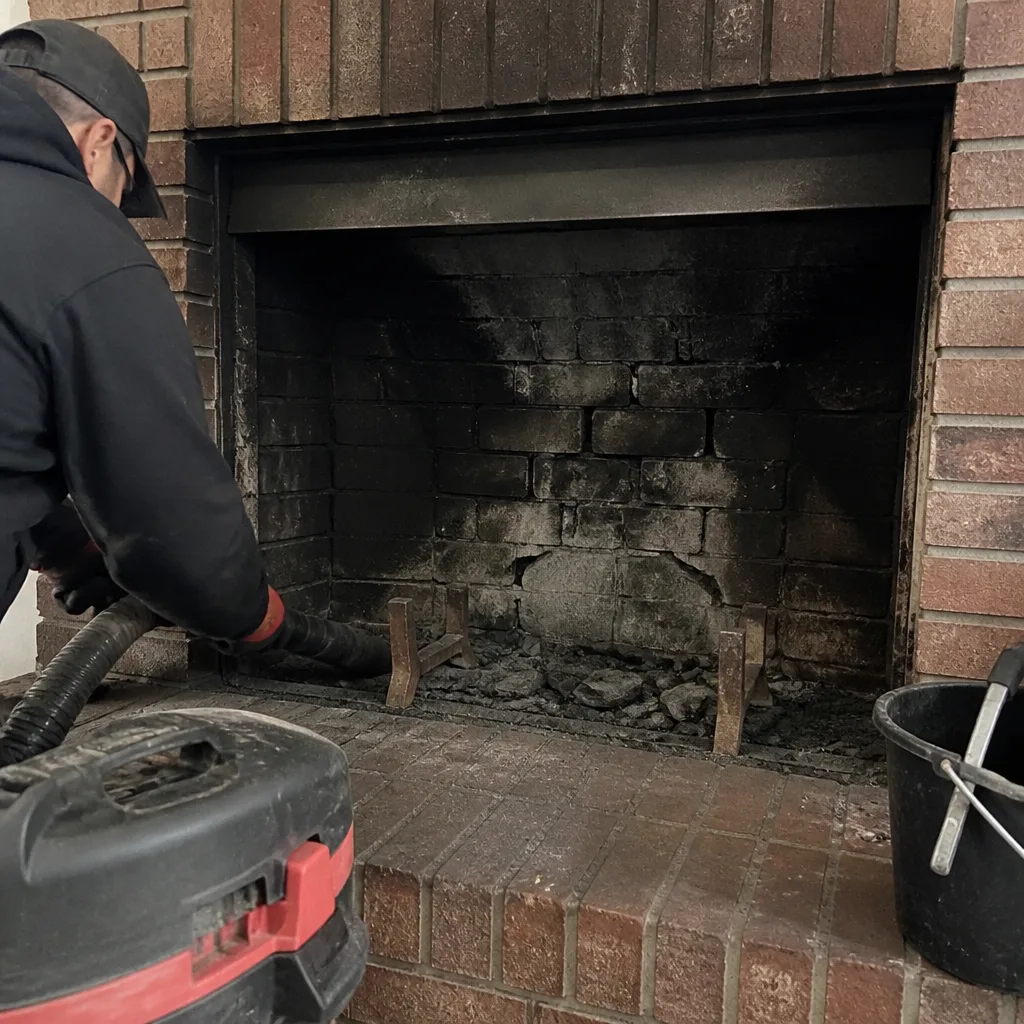 Before
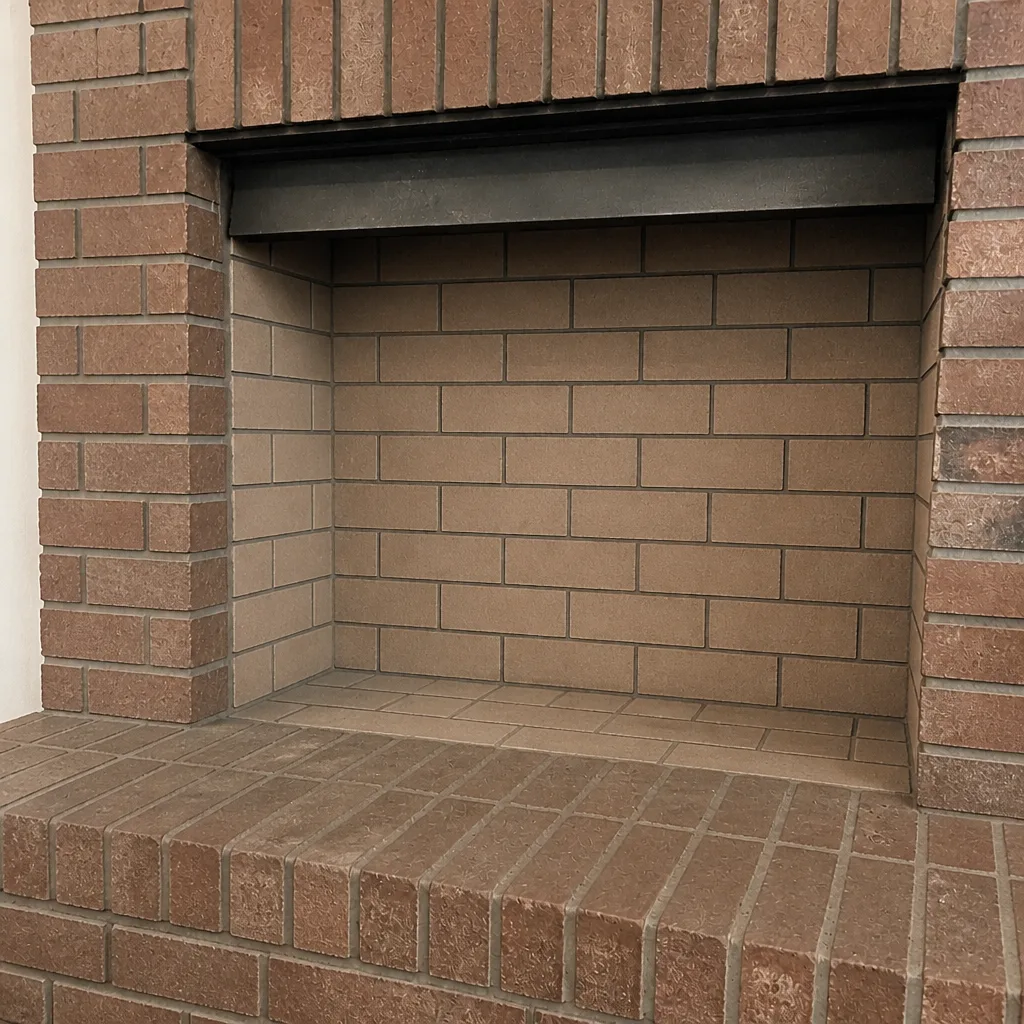 After
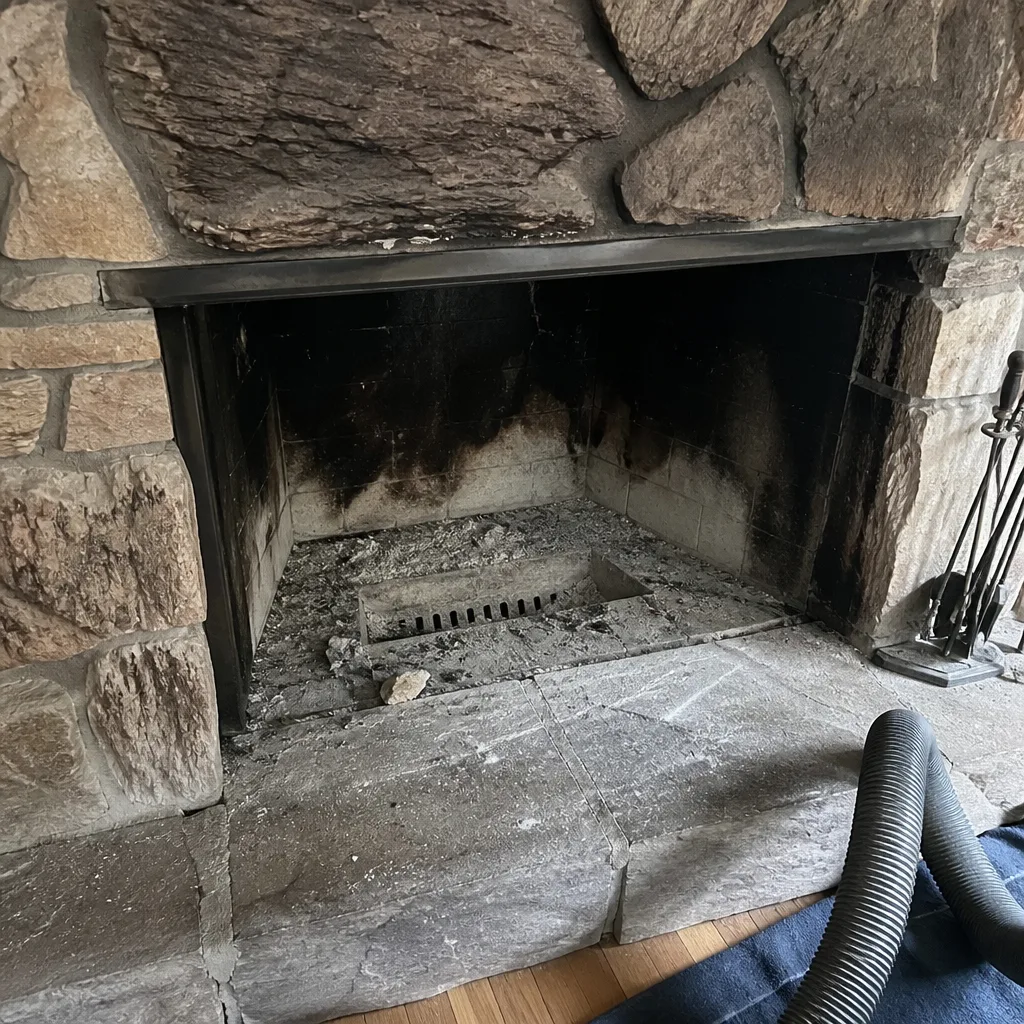 Before
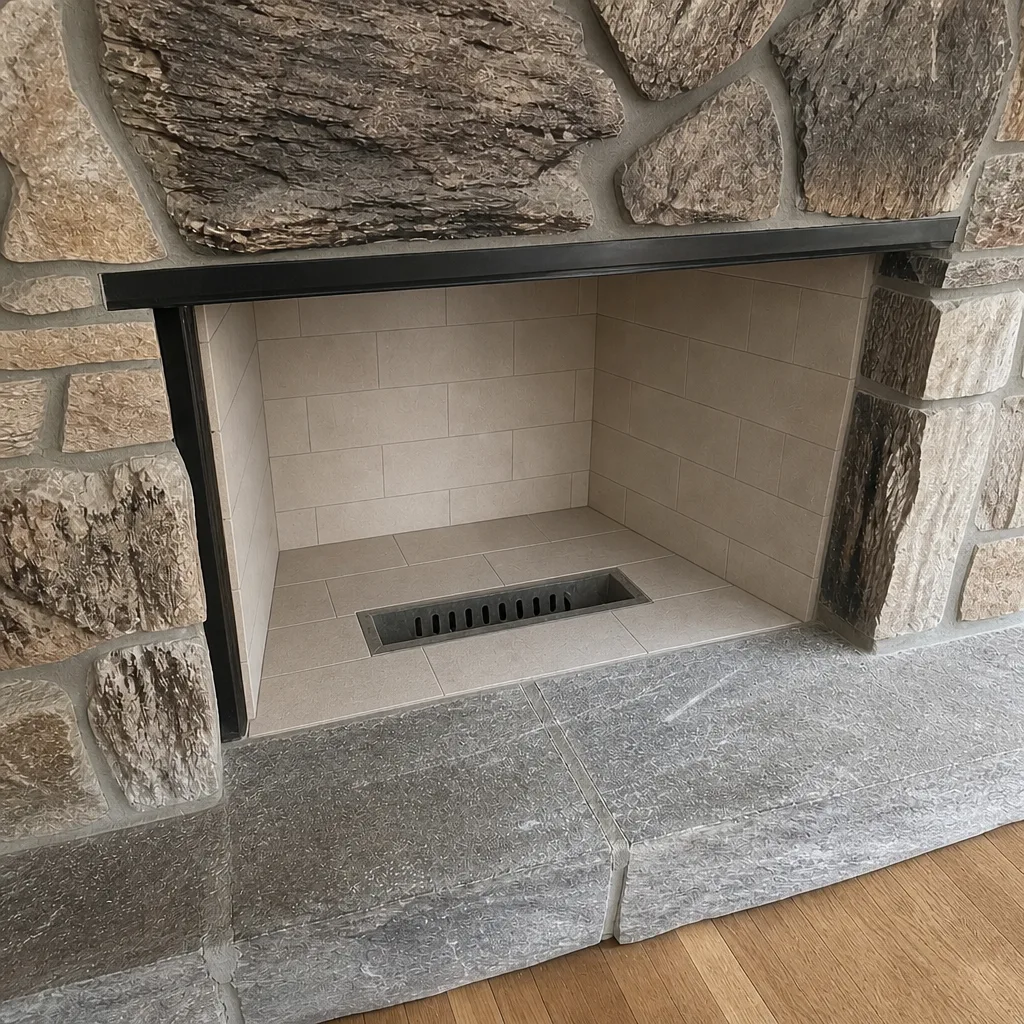 After
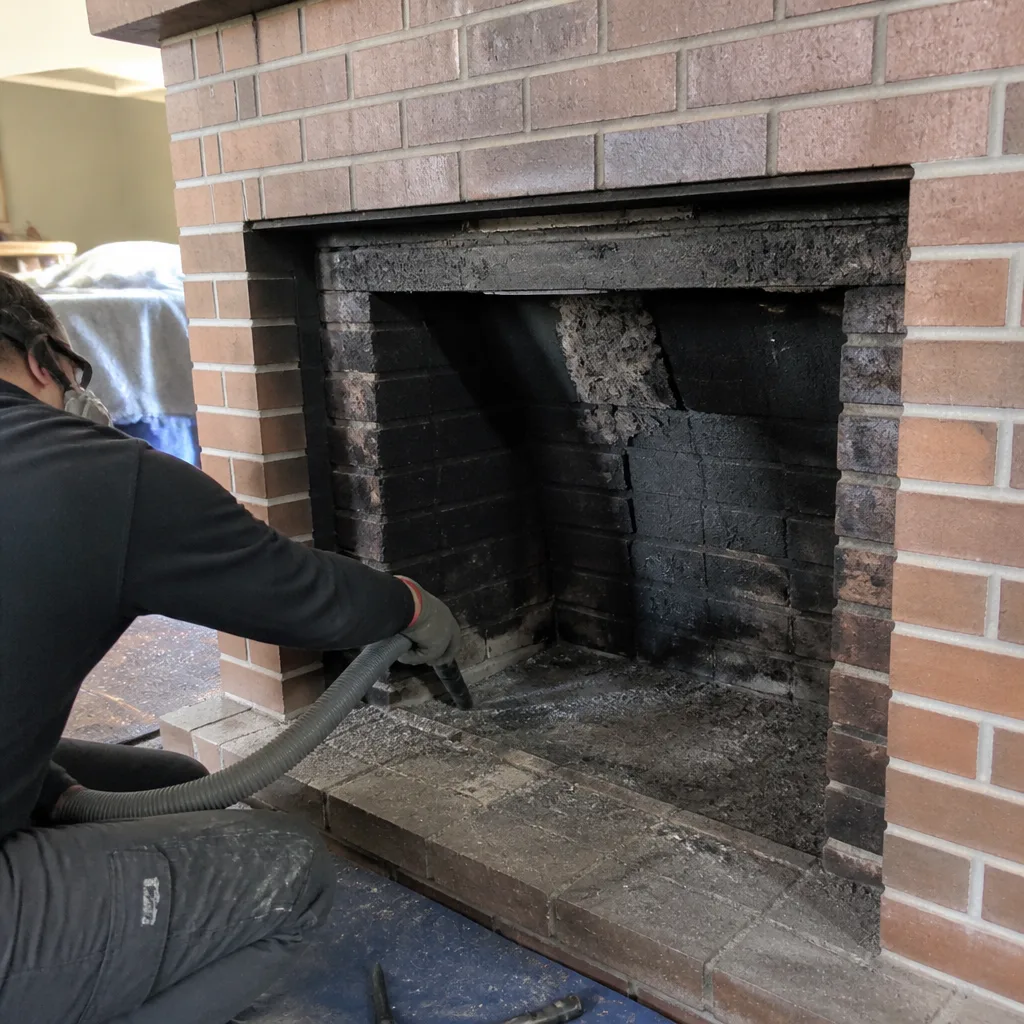 Before
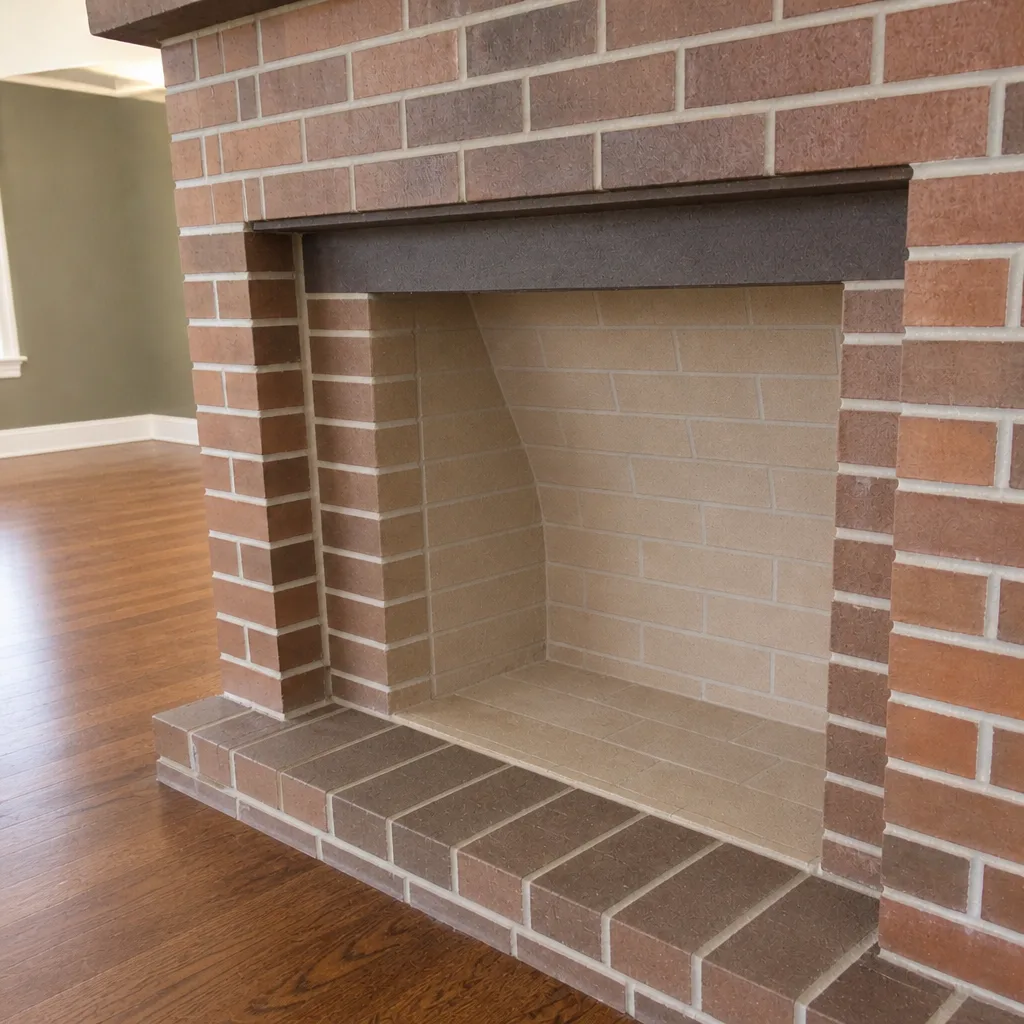 After
Frequently Asked Questions
A standard chimney sweep in Federal Way typically runs between $180 and $320, and a combined sweep-and-inspection typically lands between $250 and $420. Pricing depends on the flue configuration, the condition of the deposit, and whether the smoke chamber needs additional cleaning. The written estimate sets the final price, and in our case the estimate is free. Call (855) 658-4385 for a quote on your specific chimney.
Once a year if you burn regularly, and once a year inspected even if you don’t. Because Western Washington’s damp air can accelerate creosote buildup in the shoulder seasons, the sweep should land in September or April rather than mid-winter. If you burn green or unseasoned wood, or if your woodpile stays under a tarp, consider a mid-season check as well. Call (855) 658-4385 and we’ll help you figure out a schedule that makes sense for how you actually burn.
You need a liner that’s intact – but “intact” is a wide range, and resurfacing with HeatShield restores many liners that a full replacement would otherwise be recommended for. The way to know the difference is by looking at the photos from the flue inspection. If you can see a visible crack, gap, or separation in the flue, that’s a real defect and it needs to be addressed before the next fire. If the flue looks smooth and continuous, it may not. Call (855) 658-4385 for a free estimate and we’ll show you what we find.
Skipping a year increases the chance that stage 2 deposits harden into stage 3 glazed creosote, which cannot be removed by a standard brush and requires resurfacing or replacement. In Federal Way, the damp climate makes that hardening more likely than it would be in a drier region. A single skipped year is not automatically a crisis – but two or three in a row usually turns into a much bigger job than a standard sweep. Call (855) 658-4385 to get back on schedule.
No. A flexible liner is the right choice when the flue is unlined, compromised, or the wrong size for the appliance – it restores a code-compliant flue without a masonry rebuild. But if the existing liner is intact and properly sized, a flexible retrofit may be unnecessary. We use DuraFlex flexible liner systems for retrofits when they’re the right answer, and we tell you when they aren’t. Call (855) 658-4385 to find out which category your chimney falls into.
Yes. Every report we produce is written in plain English, includes photos of what we saw, and groups the findings by urgency so you know what needs attention this season versus what can wait. If anything is unclear after you read it, we’ll walk you through it. Call (855) 658-4385 for a free estimate on the sweep.
The Bottom Line
Federal Way’s climate writes the rules for chimney maintenance here, not a national checklist. Damp air slows wood drying, cool shoulder seasons keep flue temperatures lower than a national guide anticipates, and September and April are the two windows that actually matter. Burn seasoned wood (check the moisture, don’t trust the label), sweep annually, and treat your inspection report as a diagnostic document rather than a sales pitch. A sweep is a foundation, not a finishing touch. When the inspection turns up a real defect – a cracked crown, a damaged flue, a missing cap – you want a full-service specialist that can address it, not a brush and a handshake. We handle sweeping, inspection, fireplace repair, chimney repair, and cap and crown installation as one continuous process, so nothing gets lost between the diagnosis and the fix. If you want a chimney sweep that turns up an honest picture of the whole system, start at Federal Way Chimney Sweep.
Contact
The best time to schedule a sweep is before you need one – and in Federal Way, that means September, not January. Call (855) 658-4385 for a free estimate on chimney cleaning, inspection, liner resurfacing, or any repair the inspection turns up. We answer 24/7. Fast dispatch from 7am to 7pm, Sunday through Friday. Our technicians have up to 14 years of experience, and we work with professional-grade materials including HeatShield resurfacing, DuraFlex liner systems, Gelco, and Copperfield cap and weatherproofing products.
Written by the team at Federal Way Chimney Sweep.